Blog

10 of the Best Card Games

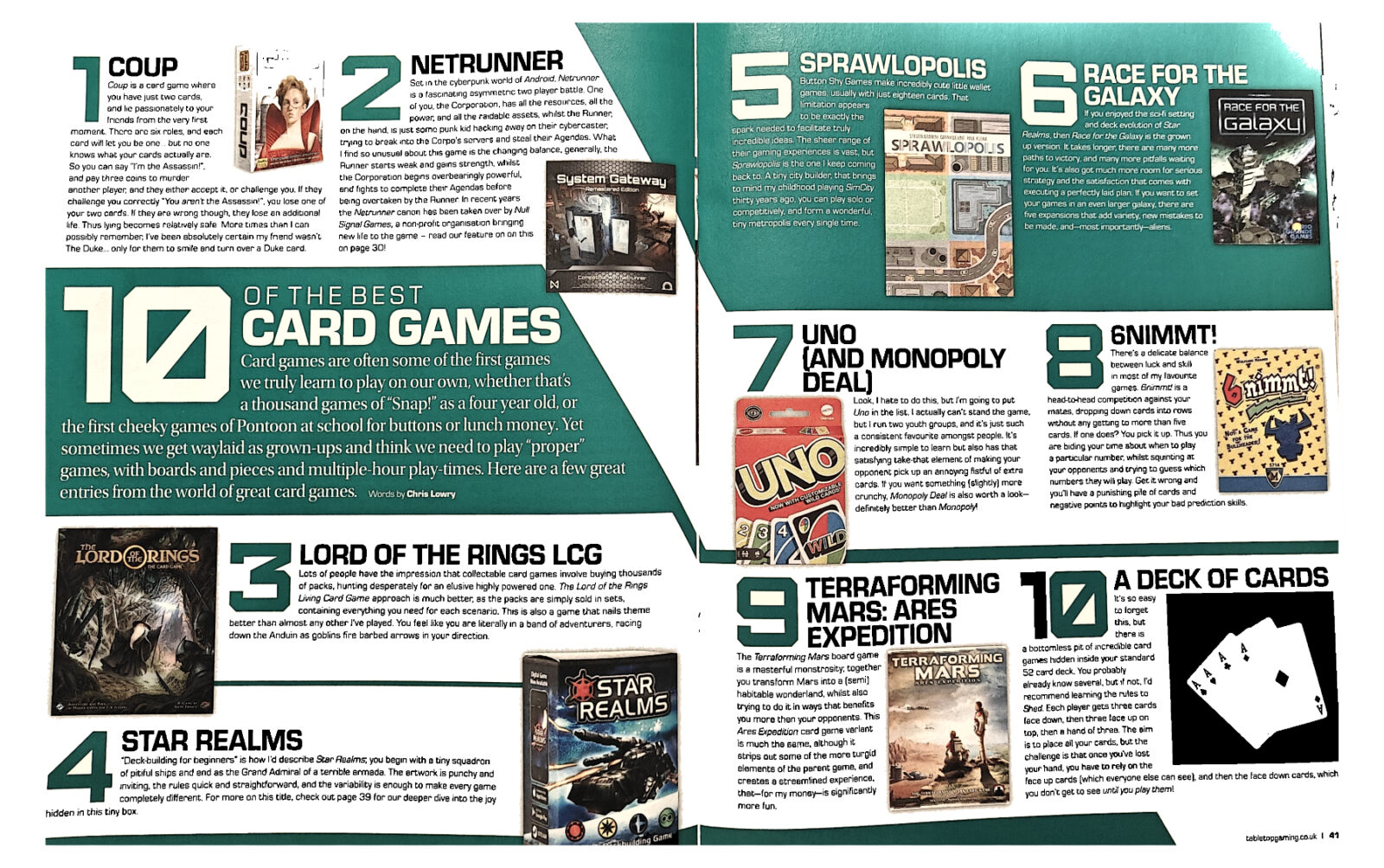
Card games are often some of the first games we truly learn to play on our own, whether that’s a thousand games of “Snap!” as a four year old, or the first cheeky games of Pontoon at school for buttons or lunch money. Yet sometimes we get waylaid as grown-ups, and think we need to play “proper” games, with boards and pieces and multiple hour play-times. Here’s a few great entries from the world of great card games.
 

Coup
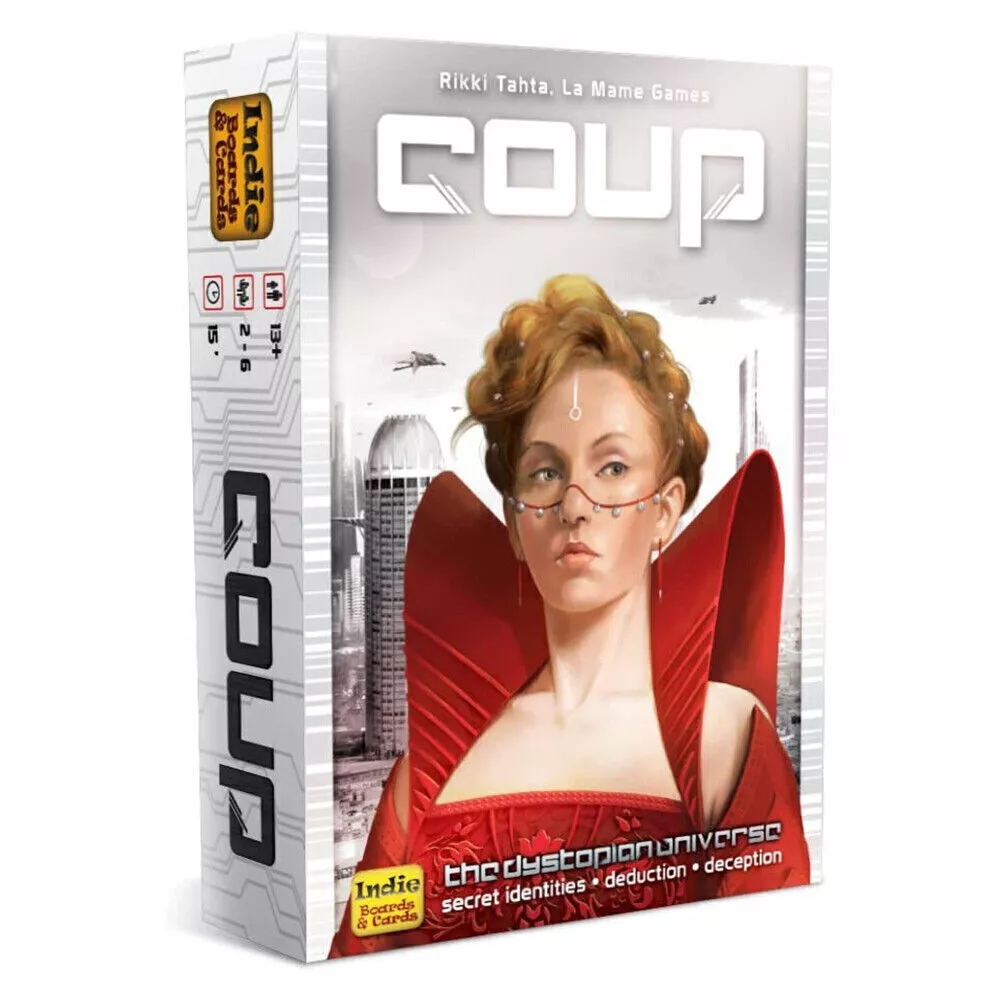
Coup is a card game where you have just two cards, and lie passionately to your friends from the very first moment. There are six roles, and each card will let you be one… but no one knows what your cards actually are. So you can say “I’m the Assassin!”, and pay three coins to murder another player, and they either accept it, or challenge you. If they challenge you correctly “You aren’t the Assassin!”, you lose one of your two cards. If they are wrong though, they lose an additional life. Thus lying becomes relatively safe. More times than I can possibly remember, I’ve been absolutely certain my friend wasn’t The Duke… only for them to smile and turn over a Duke card.
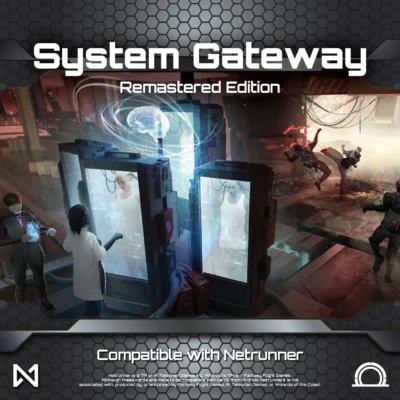
Netrunner
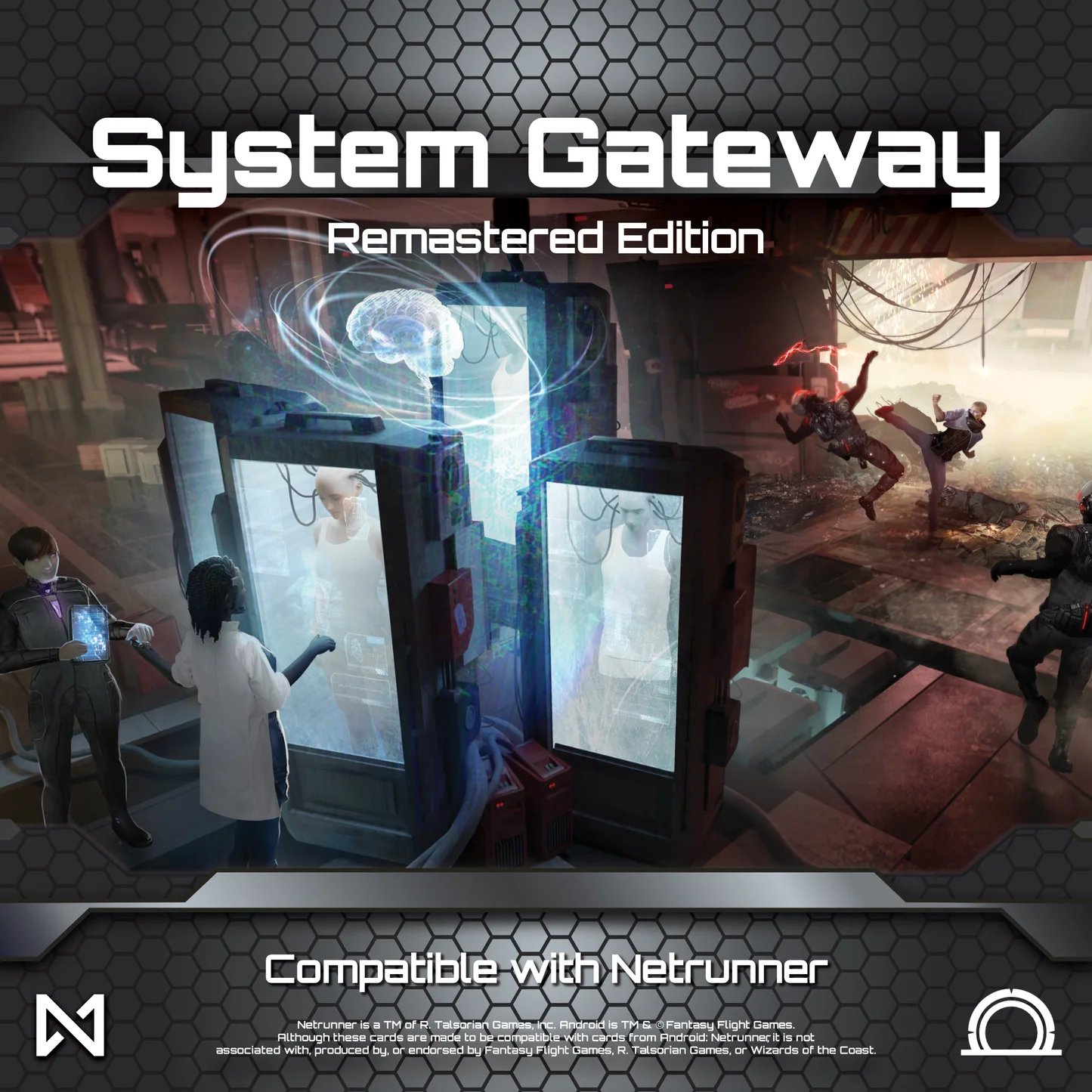
Set in the cyberpunk world of Android, Netrunner is a fascinating asymmetric two player battle. One of you, the Corporation, has all the resources, all the power, and all the raidable assets, whilst the Runner, on the hand, is just some punk kid hacking away on their cybercaster, trying to break into the Corpo’s servers and steal their Agendas. What I find so unusual about this game is the changing balance; generally the Runner starts weak and gains strength, whilst the Corporation begins overbearingly powerful, and fights to complete their Agendas before being overtaken by the Runner. In recent years the Netrunner canon has been taken over by Null Signal Games, a non-profit organisation bringing new life to the game.
 

Lord of the Rings LCG

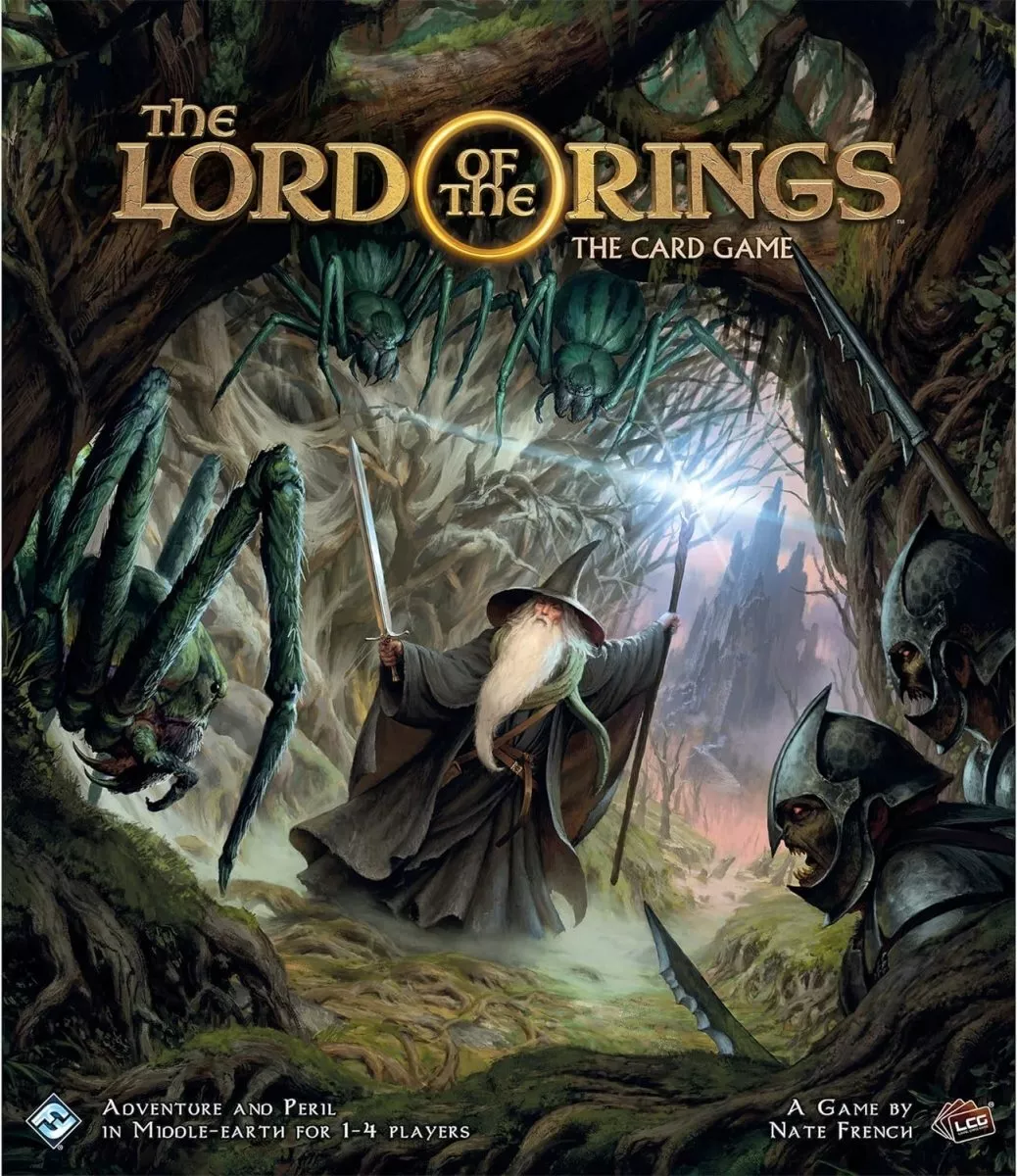
Lots of people have the impression that collectable card games involve buying thousands of packs, hunting desperately for an elusive highly powered one. The Lord of the Rings Living Card Game approach is much better, as the packs are simply sold in sets, containing everything you need for each scenario. This is also a game that nails theme better than almost any other I’ve played. You feel like you are literally in a band of adventurers, racing down the Anduin as goblins fire barbed arrows in your direction.


Star Realms
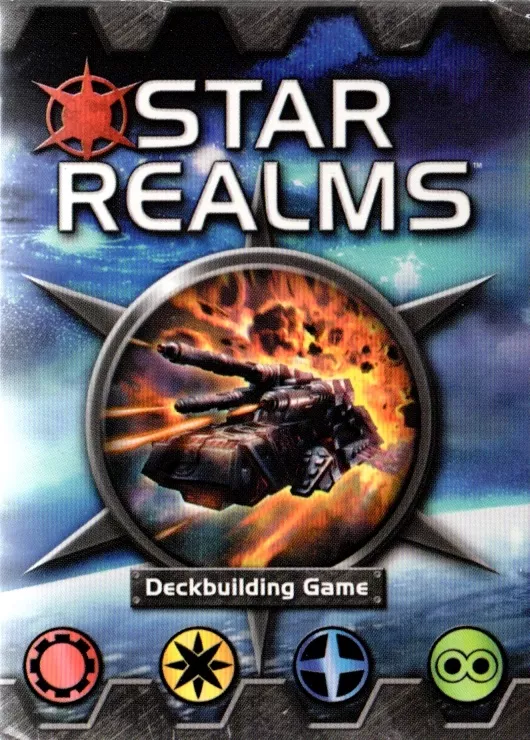
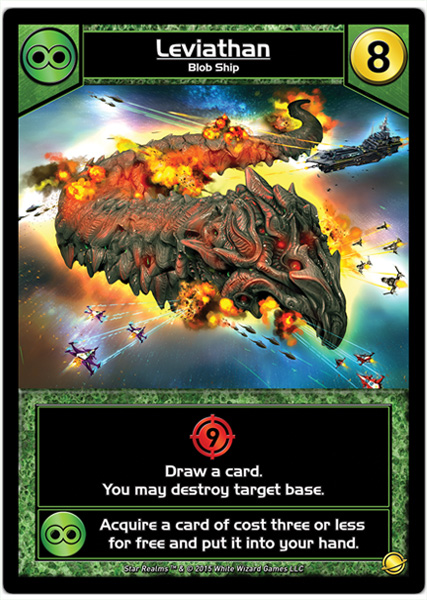
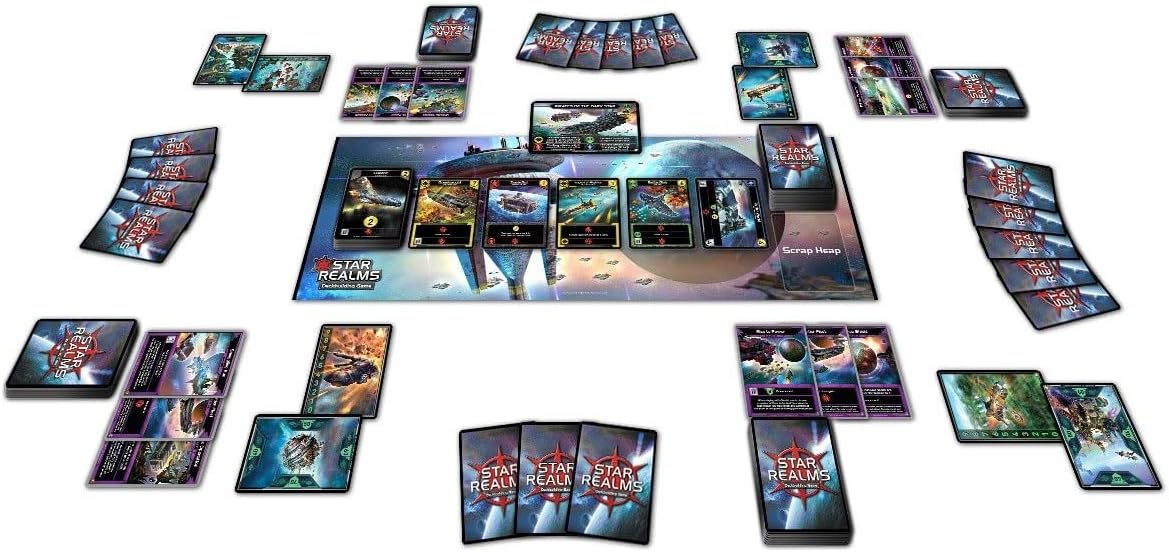
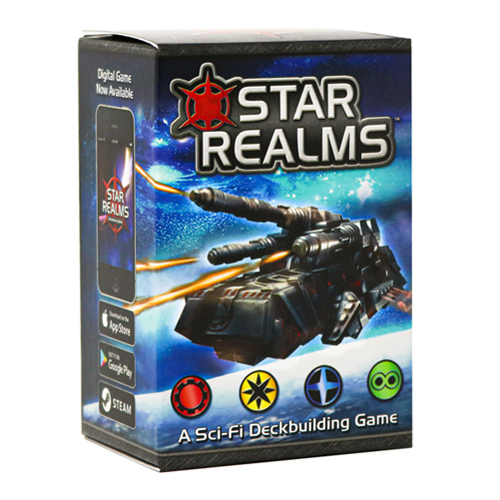
“Deck-building for beginners” is how I’d describe Star Realms; you begin with a tiny squadron of pitiful ships and end as the Grand Admiral of a terrible armada. The artwork is punchy and inviting, the rules quick and straightforward, and the variability is enough to make every game completely different. For more on this title, check out page ### with a deeper dive into the joy hidden in this tiny box.
 

Sprawlopolis

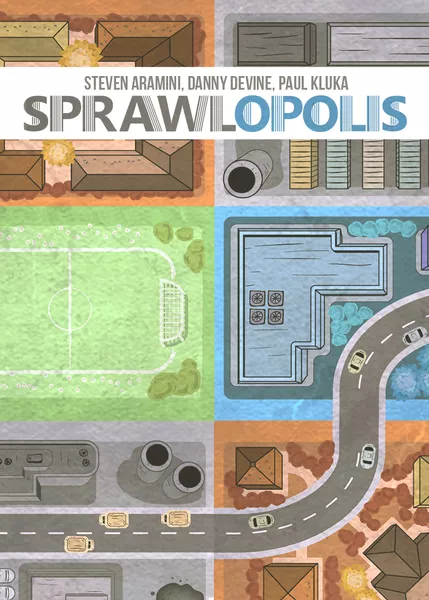
Button Shy games make incredibly cute little wallet games, usually with just eighteen cards. That limitation appears to be exactly the spark needed to facilitate truly incredible ideas. The sheer range of their gaming experiences is vast, but Sprawlopolis is the one I keep coming back to. A tiny city builder, that brings to mind my childhood playing SimCity thirty years ago, you can play solo or competitively, and form a wonderful, tiny metropolis every single time.


Race for the Galaxy

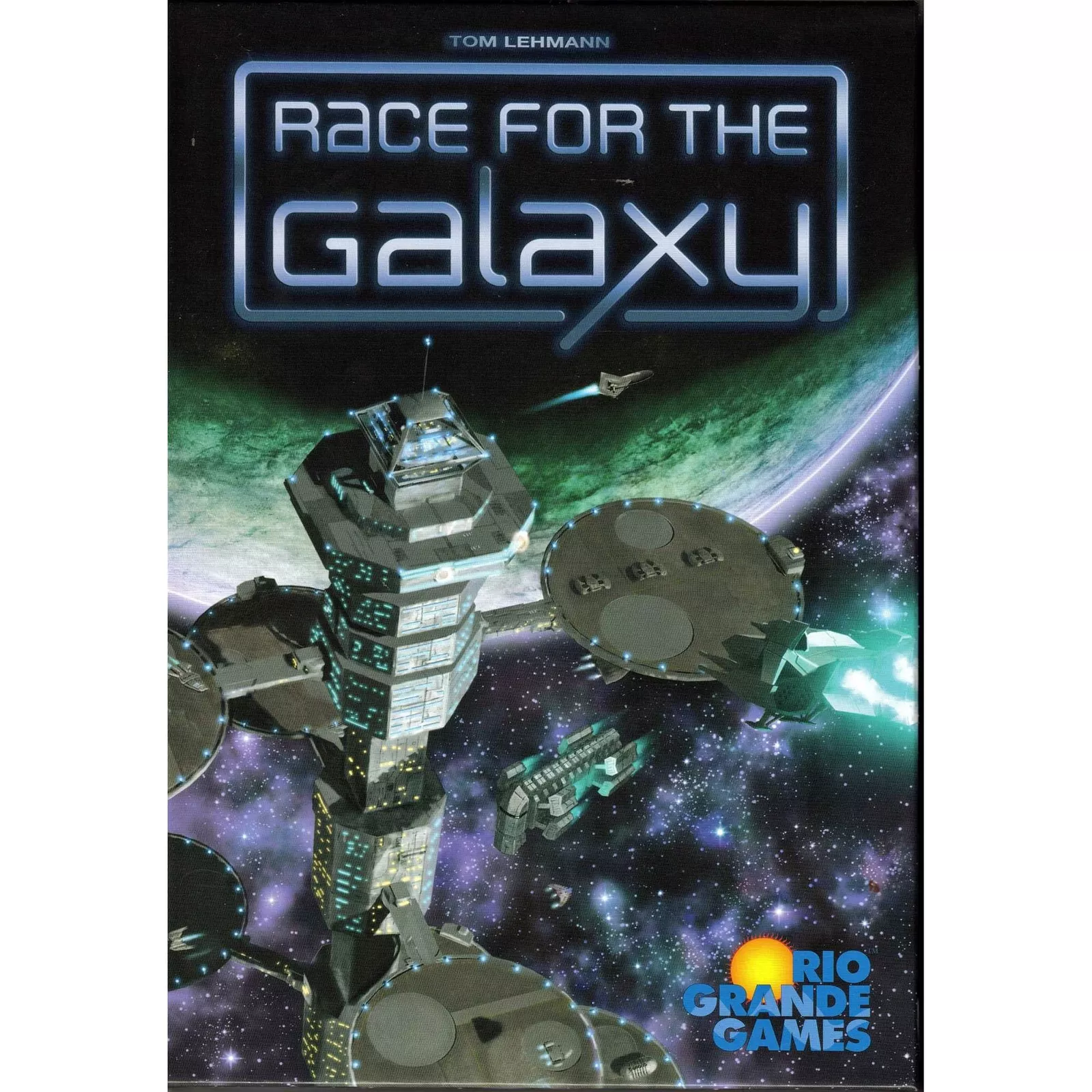
If you enjoyed the sci-fi setting and deck evolution of Star Realms, then Race for the Galaxy is the grown up version. It takes longer, there are many more paths to victory, and many more pitfalls waiting for you. It’s also got much more room for serious strategy and the satisfaction that comes with executing a perfectly laid plan. If you want to set your games in an even larger galaxy, there are five expansions adding variety, new mistakes to be made, and—most importantly—aliens.
Uno (and Monopoly Deal)

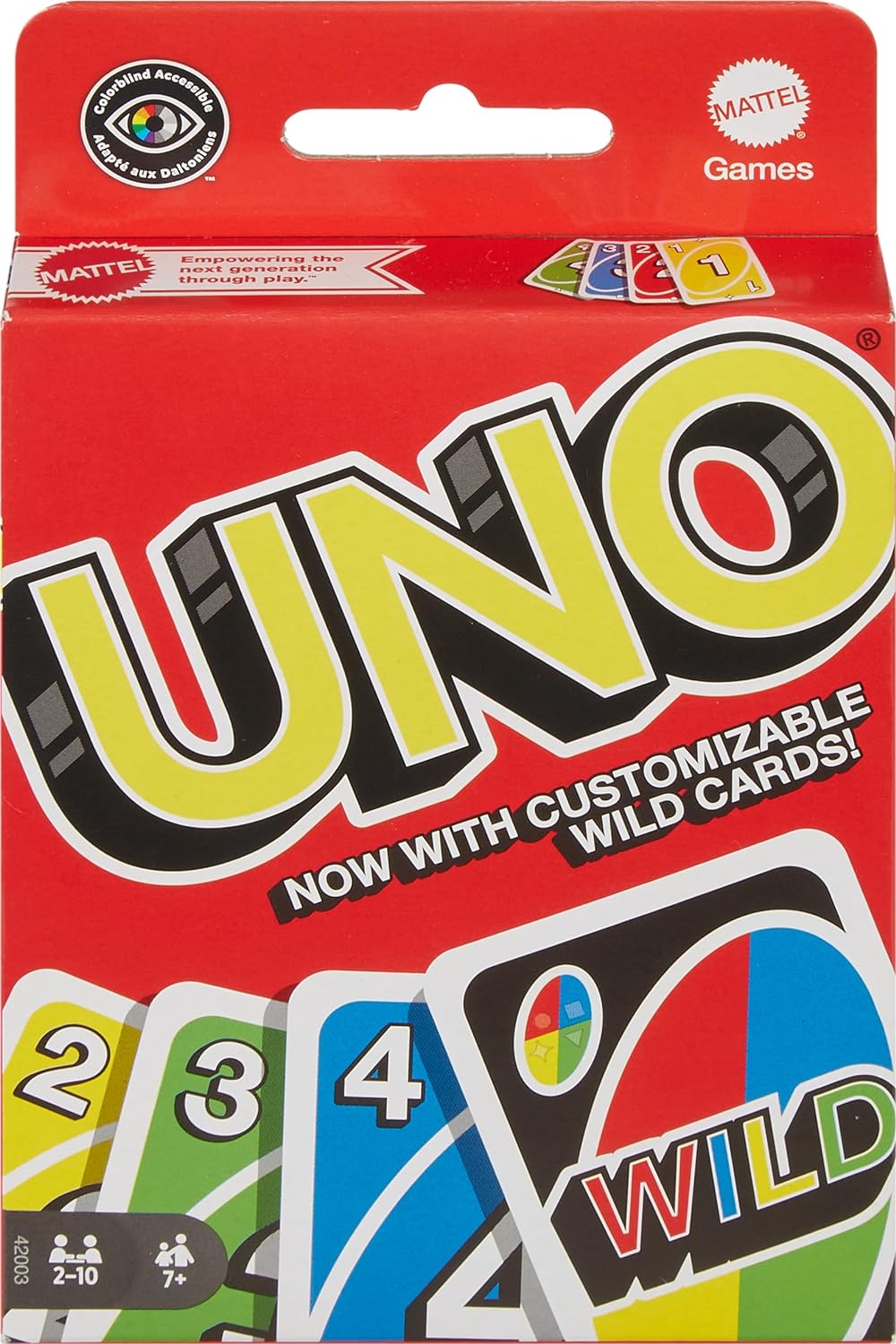
Look, I hate to do this, but I’m going to put Uno in the list. I actually can’t stand the game, but I run two youth groups, and its just such a consistent favourite amongst people. It’s incredibly simple to learn, but also has that satisfying take-that element of making your opponents pick up an annoying fistful of extra cards. If you want something (slightly) more crunchy, Monopoly Deal is also worth a look—definitely better than Monopoly!


6nimt!
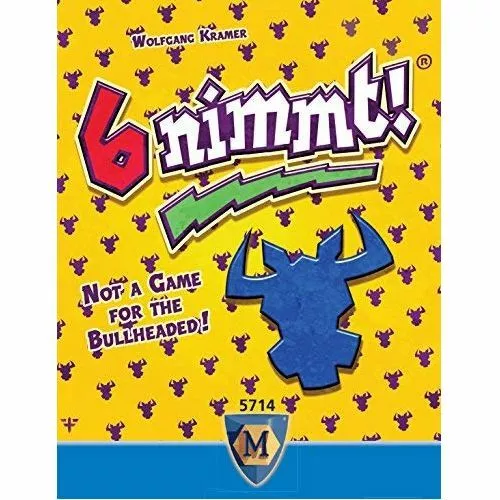
There’s a delicate balance between luck and skill in most of my favourite games. 6nimt! is a head-to-head competition against your mates, dropping down cards into rows without any getting to more than 5 cards. If one does? You pick it up. Thus you are biding your time about when to play a particular number, whilst squinting at your opponents and trying to guess which numbers they will play. Get it wrong and you’ll have a punishing pile of cards and negative points to highlight your bad prediction skills.

Terraforming Mars Ares Expedition

The Terraforming Mars boardgame is a masterful monstrosity; together you transform Mars into a (semi) habitable wonderland, whilst also trying to do it in ways that benefits you more than your opponents. This Ares Expedition card game variant is much the same, although it strips out some of the more turgid elements of the parent game, and creates a streamlined experience, that—for my money—is significantly more fun.


A Deck Of Cards
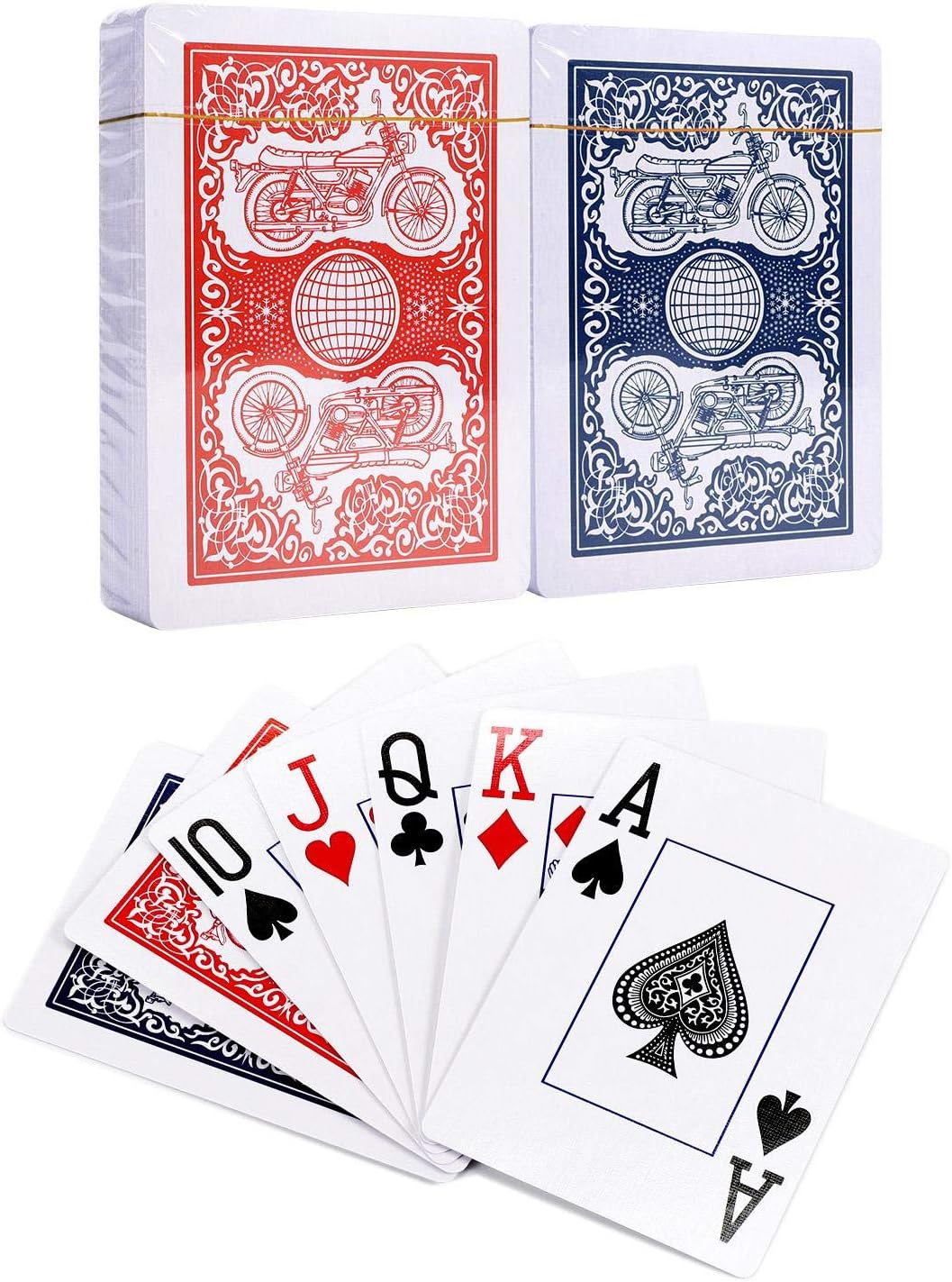
It’s so easy to forget this, but there is a bottomless pit of incredible card games hidden inside your standard 52 card deck. You probably already know several, but if not, I’d recommend learning the rules to Shed: Each player gets three cards face down, then three face up on top, then a hand of three. The aim is to place all your cards, but the challenge is that once you’ve lost your hand, you have to rely on the face up cards (which everyone else can see), and then the face down cards, which you don’t get to see until you play them!


Getting started with Deck Building

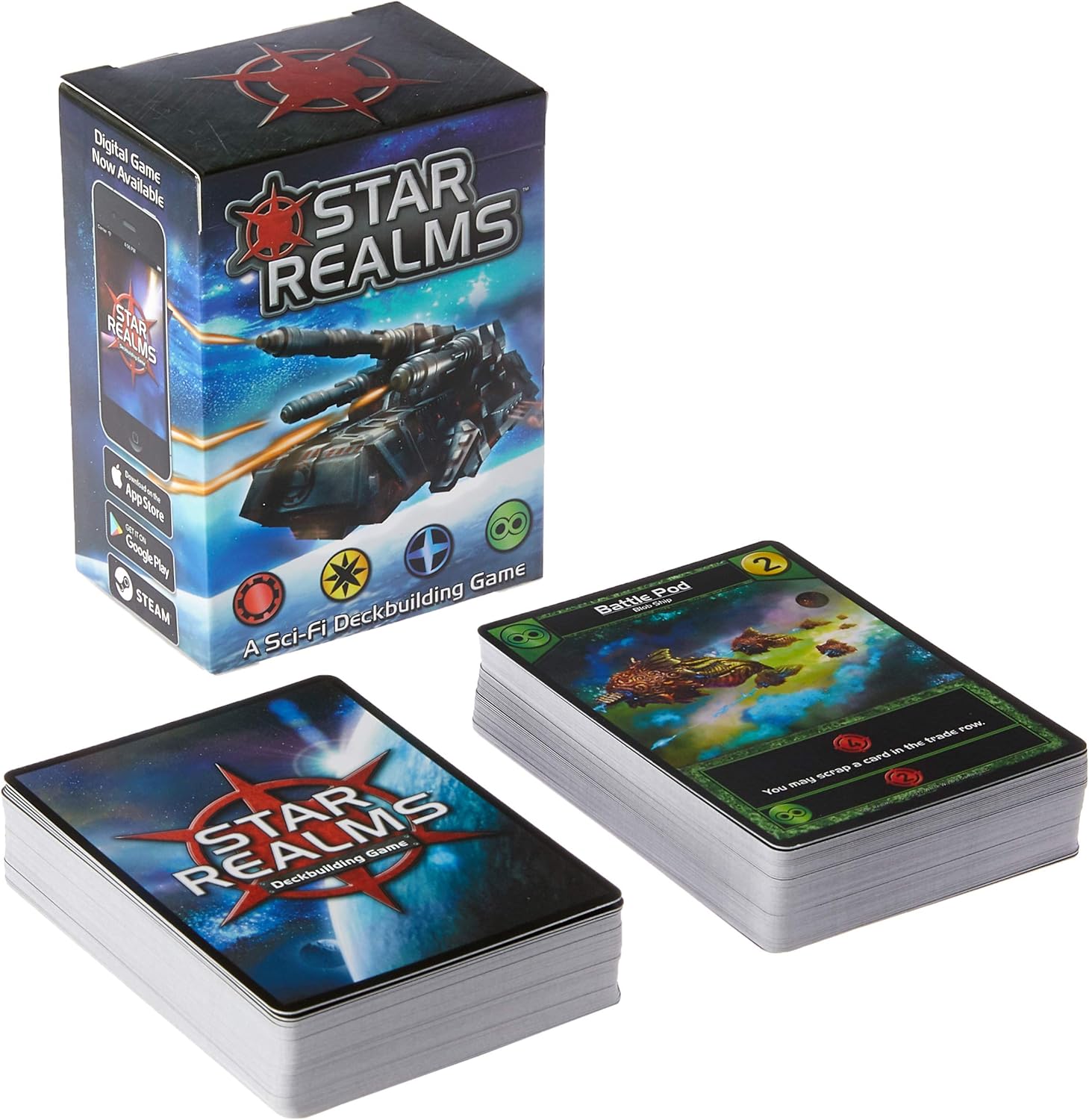
Star Realms is a gateway to the galaxy of games that keep getting better.

What is Deck Building

Here’s the rundown on Deck Building games: you start with a small, rubbish deck of cards. The characters or powers on the cards are weak, with disappointing stats, and a generally uninspiring table presence.

Over the next few rounds, you are able to purchase new cards. Better cards. Not amazing ones, but much better than you had before. You shuffle them into your deck, and push on. One of the new cards comes out, and you have the best turn so far. Then again! You buy more cards, maybe burn a few of those old, rubbish ones. Each turn things get better and better – although the same is true for your opponent too.
Finally, it all ends, in a beefy explosion of power. Maybe you won, maybe they did, but either way you got to build something awesome! That’s deck-building in a nutshell. When it’s done well, there’s a constant feeling of acceleration that’s almost palpable. Well, in fact, it is, because you get to draw so many extra cards!

Why Star Realms?

Whilst Dominion is a solid expression of the genre—and the first too—my money goes on Star Realms for its speed, its simplicity, and, frankly, because I much prefer spaceships to provinces and chancellors. The real beauty of Star Realms is it’s size; the base set is a single box slightly thicker than a deck of cards.

The central concept of each battle is destroying your opponents. To do this you have ships which can do a certain amount of damage. Star Realms groups all cards into a number of factions; playing multiple cards from the same faction often unlocks bonuses; but at the cost of being having a less balanced approach. Alongside ships there are also bases you can build; these stay on the table between turns, soaking up damage and providing a boost to your future turns.

A Whole Universe

Once you’ve mastered the base game, the range of expansions is almost a little overwhelming. The United expansions add extra ships and bases, but with dual factions on each, allowing a broader approach to tactics. Then the Heroes boxes bring single use characters who can be sacrificed at strategic moments to provide sudden extra resources or unique abilities. Events and Missions cause catastrophic changes, or impact on player motivations throughout the game, and Scenarios adjust something fundamental in the flow of play in the core mechanics. And that’s just the start; I’ve not even touched on Commanders, Gambits, High Alert, Frontiers…

Facing The Puzzle Again

Actually, beyond changing which base deck I use, I rarely tack anything extra onto Star Realms. What I love about a good deck-building game is that you don’t need any of that extra stuff. The central challenge is both easy to understand—improve your deck—and tantilisingly difficult to nail down. Do you focus on cards that heal health, or ones that damage your opponent? Do you spend resources on bases for extra protection, or try to hit harder with ships? You’ve only got seven cards left, so anything you buy now is going to be shuffled into your draw deck almost immediately; does that change your purchases?

In deck building you are always having to balance your planning against the fundamental unpredictability of a shuffled deck of cards. That might be annoying at points—why have NONE of the good cards come out, AGAIN?!—it means that there are also moments where your best laid plans do pay off and you appear to be a powerful mage, a card-reader of mythic excellence; and, even better, you get to win!

The Last Game You’ll Ever Play

Go is the best competitive game in the world: why haven’t you played it yet?

Go

I’m going to let you in on a secret: you don’t need to buy all the extremely cool games featured in this magazine. Sure, they are fun and colourful and exciting, but you could happily spend the rest of your life getting obsessed by just one beautiful game: Go.

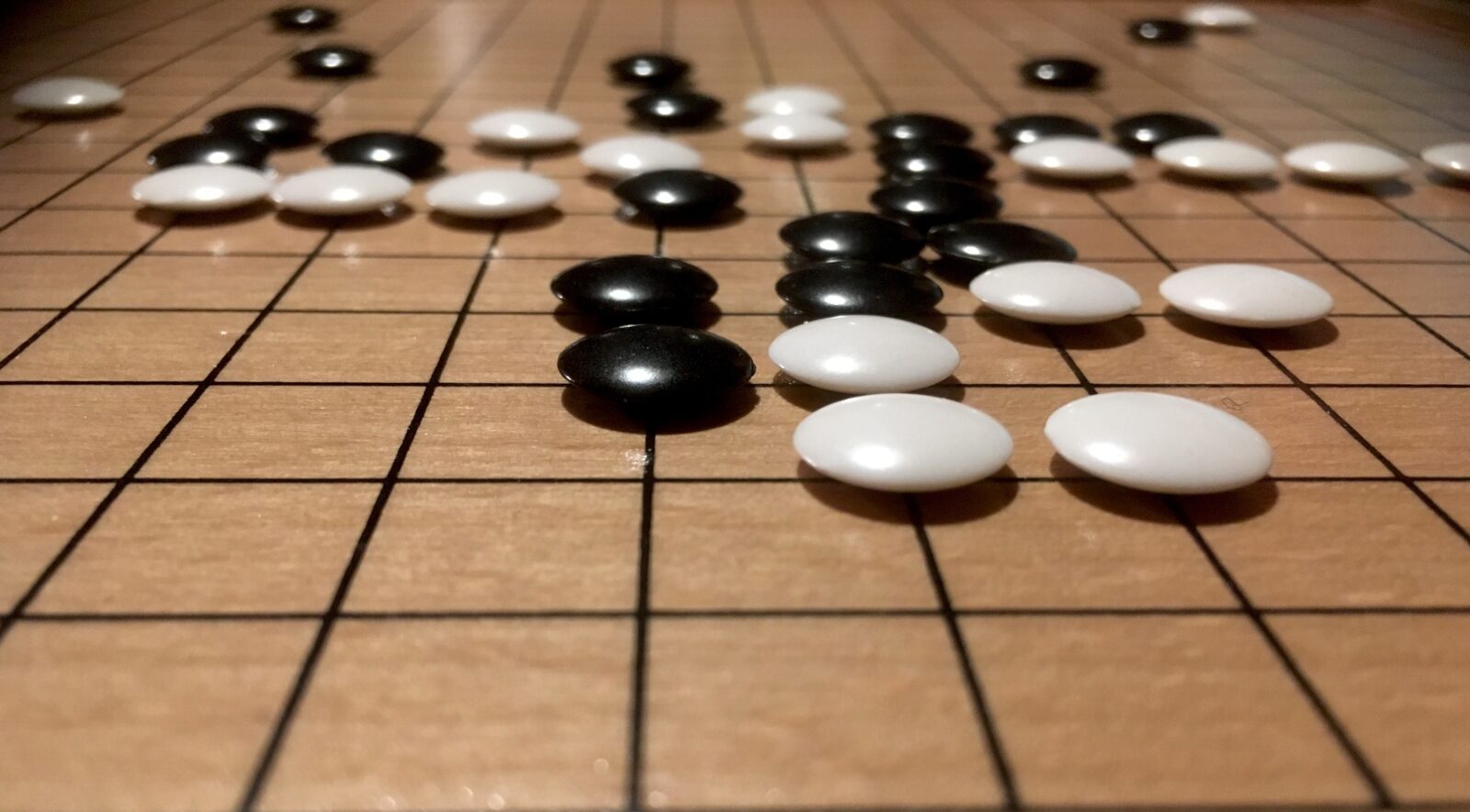
Relatively unknown in the UK, it is widely popular in East Asia; known in China as “Weiqi”, in Japan as “Igo”, and Korea as “Baduk”. Whilst Chess has been played competitively in the UK for 170 years, Go has only really featured over the last 50. Unfortunately, its absence from schools and public life means that most gamers haven’t heard of it – with black and white pieces placed on a simple grid, people in Britain often ask “Are you playing Reversi?”.

What makes it so excellent? There are three aspects to Go that mean I feel it deserves your love.

Go is incredible simple.

The rules for Go are approximately 3 sentences. I can probably manage it here;

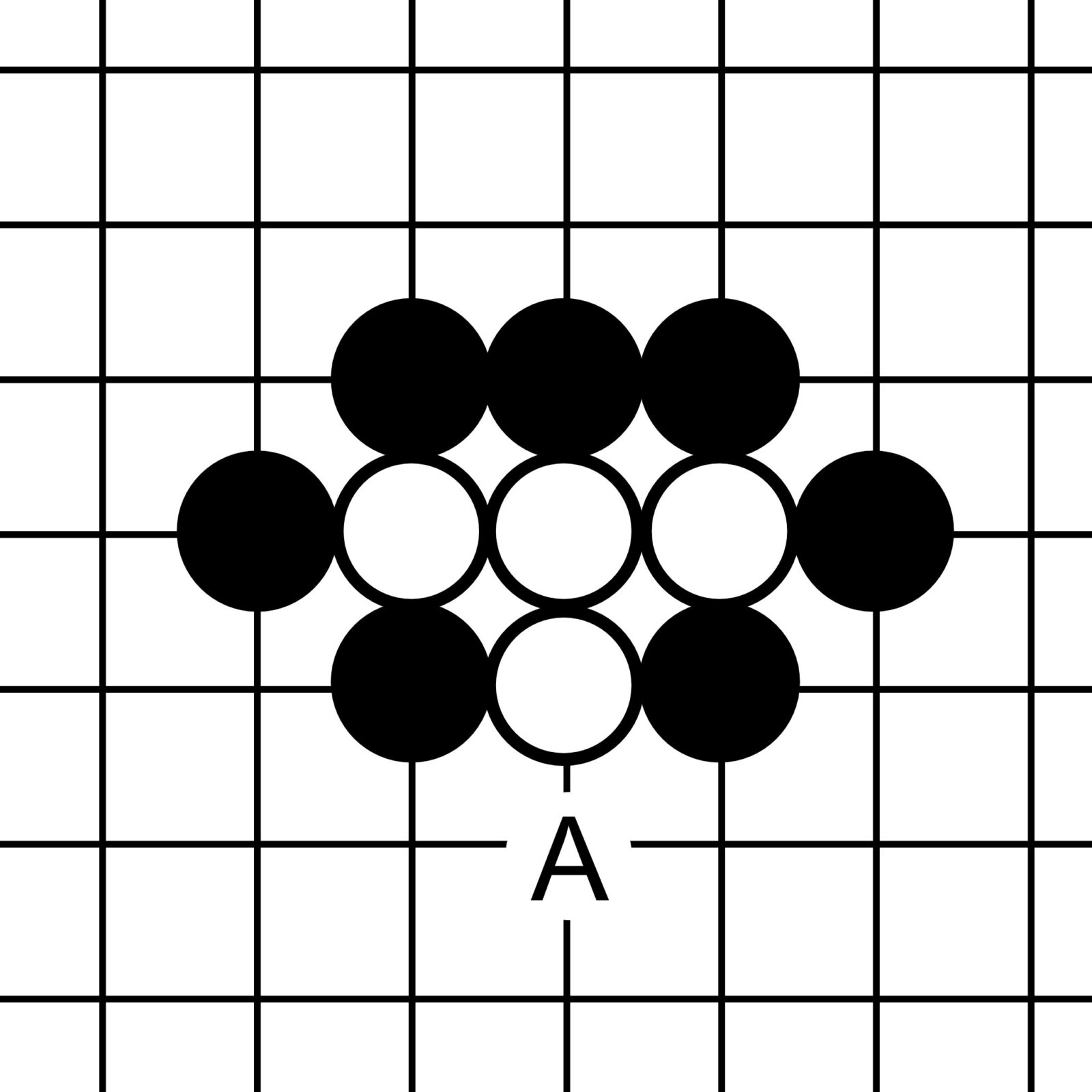
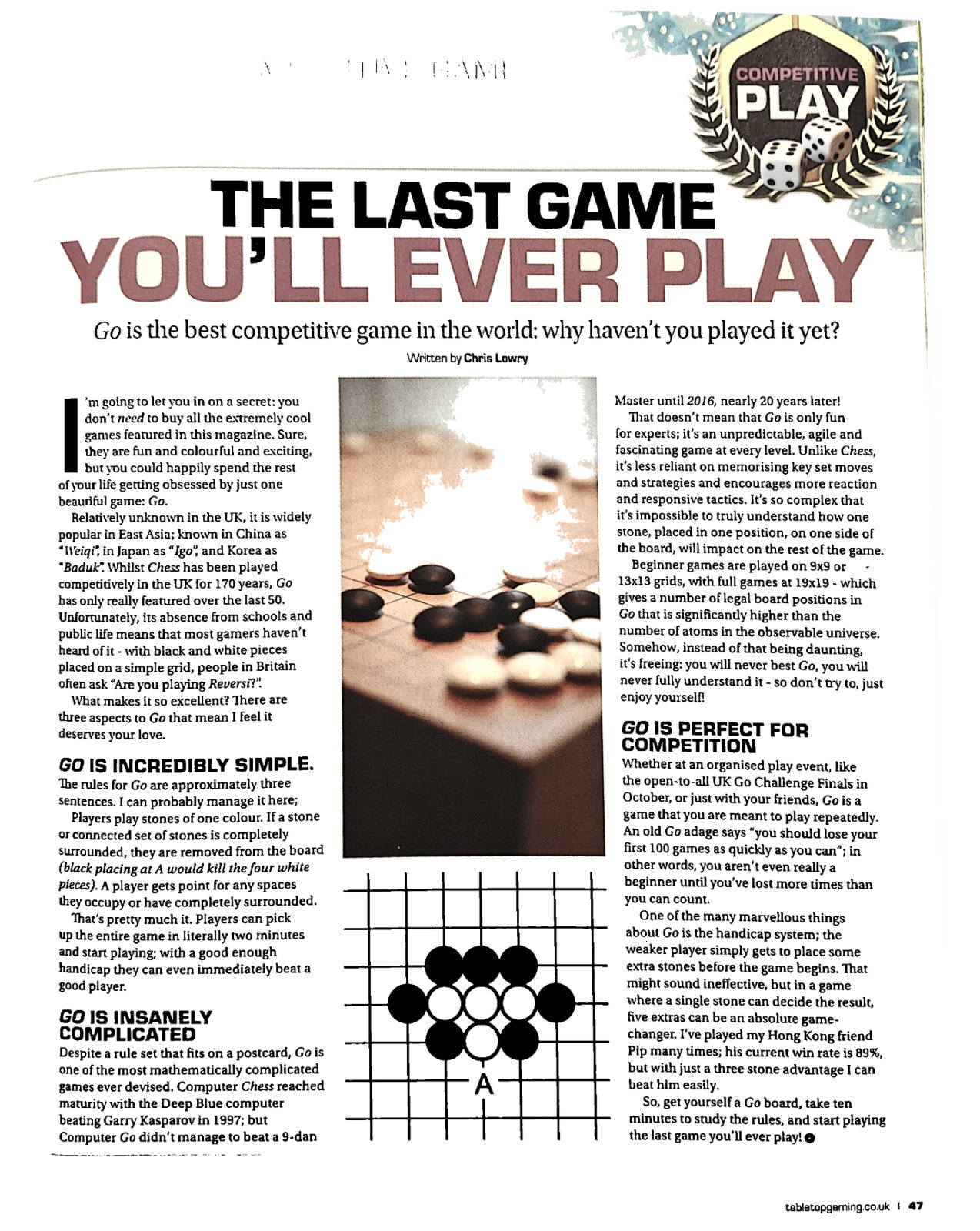
Players play stones of one colour. If a stone or connected set of stones is completely surrounded, they are removed from the board (black placing at A would kill the four white pieces). A player gets point for any spaces they occupy or have completely surrounded.

That’s pretty much it. Players can pick up the entire game in literally two minutes and start playing; with a good enough handicap they can even immediately beat a good player.

Go is insanely complicated

Despite a rule set that fits on a postcard, Go is one of the most mathematically complicated games ever devised. Computer Chess reached maturity with the Deep Blue computer beating Garry Kasparov in 1997; but Computer Go didn’t manage to beat a 9-dan Master until 2016, nearly 20 years later!

That doesn’t mean that Go is only fun for experts; its an unpredictable, agile and fascinating game at every level. Unlike Chess, it’s less reliant on memorising key set moves and strategies, and encourages more reaction and responsive tactics. It’s so complex that it’s impossible to truly understand how one stone, placed in one position, on one side of the board, will impact on the rest of the game.

Beginner games are played on 9×9 or 13×13 grids, with full games at 19×19 – which gives a number of legal board positions in Go that is significantly higher than the number of atoms in the observable universe. Somehow, instead of that being daunting, it’s freeing: you will never best Go, you will never fully understand it – so don’t try to, just enjoy yourself!

Go is perfect for competition

Whether at an organised play event, like the open-to-all UK Go Challenge Finals in October, or just with your friends, Go is a game that you are meant to play repeatedly. An old Go adage says “you should lose your first 100 games as quickly as you can”; in other words, you aren’t even really a beginner until you’ve lost more times than you can count.

One of the many marvellous things about Go is the handicap system; the weaker player simply gets to place some extra stones before the game begins. That might sound ineffective, but in a game where a single stone can decide the result, five extras can be an absolute game-changer. I’ve played my Hong Kong friend Pip many times; his current win rate is 89%, but with just a three stone advantage I can beat him easily.

My friend Pip, after his 16th win. His badge says “Cheats at Go” in Cantonese.

So, get yourself a Go board, take ten minutes to study the rules, and start playing the last game you’ll ever play!

Running a League

Got a favourite game? Want to play it a lot more?

//intro box

Setting up a league can be a great way to take your enjoyment of a game to a different level. It’s also a brilliant opportunity to share new ideas and gameplay styles and to build up a core group of people who want to get stuck into the game just as much as you. Plus… there will be lots of opportunities to make a spreadsheet!

The most important ingredient for a successful league is committed players.

What to Play?

The classic games that lend themselves to tournament are reasonably short, abstract games; things like Backgammon, Go and the obvious classic: Chess, which has been played in tournaments since the first ever in Leeds in 1841!

Others that lend themselves thematically and mechanically to long-form competition are “sports” games like Blood Bowl or Heat: Pedal to the Metal. These often have league rules baked in, with things like team skill progression and car upgrades actually adding significantly more depth and choice than the standard one-shot experience.

However, there’s no reason that you can’t use literally any game in your own homebrew league or tournament. From Carcassonne to Cash N’ Guns, the vast majority of what we play is perfectly built for competitive ranking; there are cash-prize at the World Series of Board Games for War of the Ring and 18xx games, after all.


Competition style

The biggest challenge in any homebrew tournament will be getting enough games to actually complete the thing. Think about it; in a standard 8 person round-robin league, you’d need 16 games for everyone to play each other. Scheduling a mate to play just once is hard enough; there’s a reason that most leagues fail. The single most important ingredients for a successful league is committed players.

One approach I’d recommend, to start you off, is a simple knockout tournament.

The reason for this is that the total number of games that you play is significantly lower; with 8 competitors, after one game, you have 4, then 2 facing each other down in the final; a total of 7 games. It also means that there’s a definitive end point – everyone can meet up and watch the final game, cheering and eating crisps.

If you do go with a more standard round-robin league approach, it can be helpful to use a points system that rewards people for playing, even if they lose. I suggest 5 points for a win, 3 for a draw and 1 for a loss; this encourages people to play; even if you lose disastrously, you’ve still scored more points than someone who didn’t play at all.

Where to play

An important aspect to consider is the medium you use for games.

We’ve advanced tremendously on this front in recent years. Whilst I still hugely prefer face-to-face gaming over anything else, it can’t be denied that options like Tabletop Simulator or BoardGameArena provide quick online options for checking off a quick game.

It also opens up your league to players who don’t live geographically close to one another, which enables you to widen up your tournament to a much larger group. It also helps to reduce scheduling conflicts, since bashing together one game quickly online when you have a gap is much easier than reserving an entire evening to play.

What do we win?

Finally, an unnecessary but enjoyable addition for your league? A decent prize.

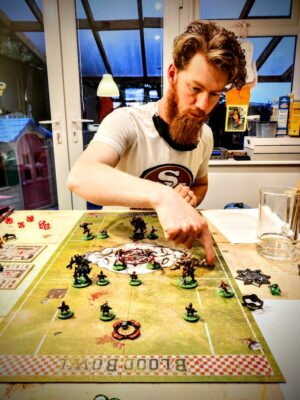
Get everyone to chuck in a few quid and buy a silly trophy. Or, even better, make your own: our recent Bloodbowl tournament had a glorious trophy, made from a plastic lobster nailed to a piece of two-by-four and painted gold. Not just that, but we all contributed some ridiculous lore and a new historical landmark was born into all our gaming worlds. You could do the same!


Quinns Quest

Quinns is taking a lounge lizard look at Roleplay Games, from the 1989 glory days of VHS

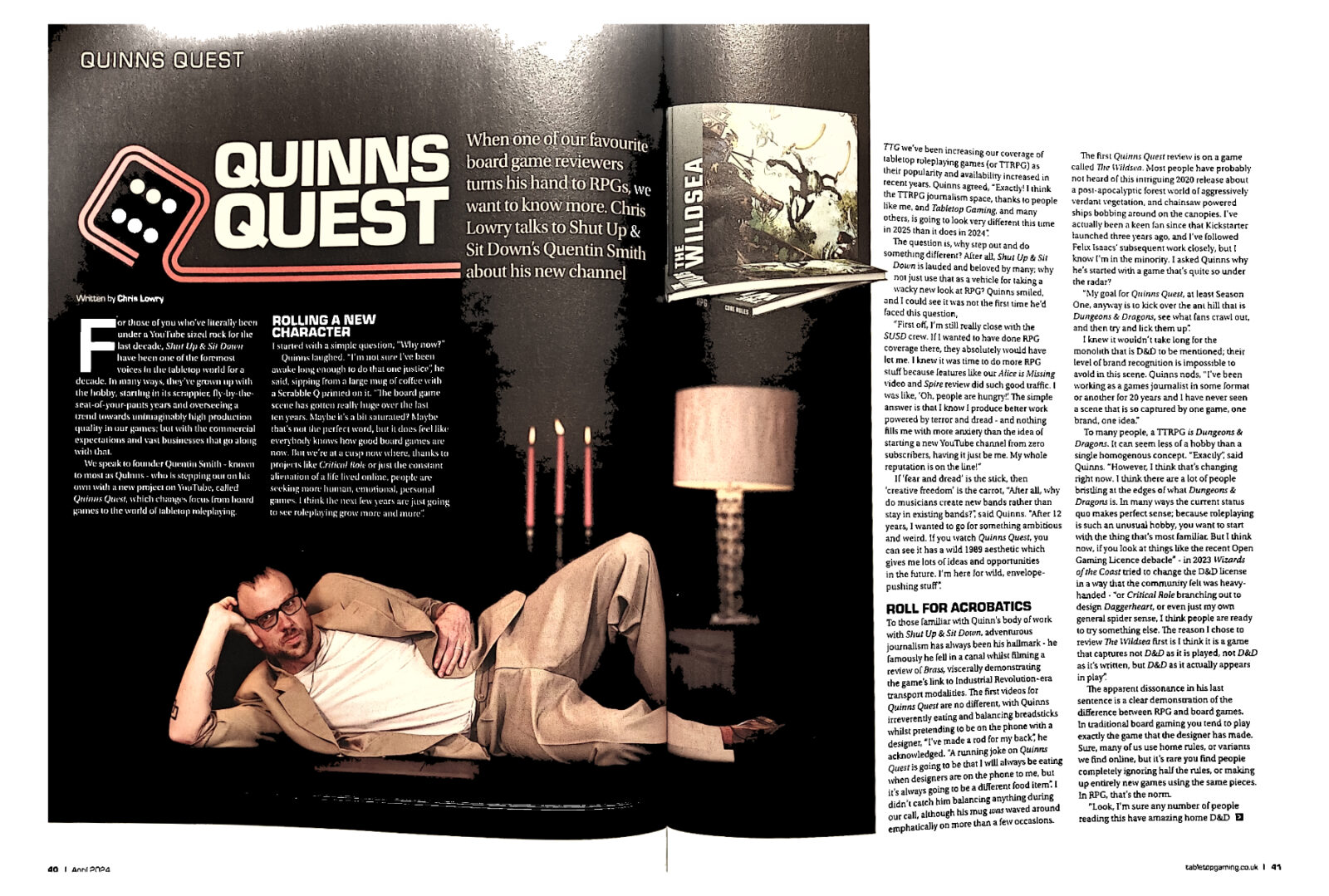
For those of you who’ve literally been under a YouTube sized rock for the last decade, Shut Up & Sit Down have been one of the foremost voices in the tabletop world for years. In many ways, they’ve grown up with the hobby, starting in it’s scrappier, fly-by-the-seat-of-your-pants years and overseeing a trend towards unimaginably high production quality in our games; but with the commercial expectations and vast conglomerates that goes along with that.

We speak to founder Quentin Smith – known to most as “Quinns” – who is stepping out on his own with a new project, called Quinn’s Quest, which changes focus from board games onto the world of tabletop roleplaying.

I started with a simple question; “Why now?”

Quinns laughed. “I’ve not sure I’ve been awake long enough to do that one justice”, he said, sipping from a large mug of coffee with a Scrabble Q printed on it. “The board game scene has gotten really huge over the last ten years. Maybe it’s a bit saturated? Maybe that’s not the perfect word, but it does feel like everybody knows how good board games are now. But we’re at a cusp now where, thanks to projects like Critical Role or just the constant alienation of a life lived online, people are seeking more human, emotional, personal games. I think the next few years are just going to see roleplaying grow more and more”.

It’s a trend we’ve noticed – and here at TTG we’ve been significantly increasing our coverage of tabletop roleplaying games (or “TTRPG”) in recent years. Quinns agreed, “Exactly! I think the TTRPG journalism space, thanks to people like me, and Tabletop Gaming, and many others, is going to look very different this time in 2025 than it does in 2024”.

The question is, why step out and do something different? After all, Shut Up & Sit Down is lauded and beloved by many; why not just use that as a vehicle for taking a wacky new look at RPG? Quinns smiled, and I could see it’s not the first time he’s faced this question, “First off, I’m still really close with the SUSD crew. If I wanted to have done RPG coverage there, they absolutely would have let me. I knew it was time to do more RPG stuff because features like our Alice is Missing video and Spire review did such good traffic. I was like, ‘Oh, people are hungry!’. The simple answer is that I know I produce better work powered by terror and dread – and nothing fills me with more anxiety than the idea of starting a new YouTube channel from zero subscribers, having it just be me. My whole reputation is on the line!””

If ‘fear and dread’ is the stick, then ‘creative freedom’ is the carrot, “After all, why do musicians create new bands rather than stay in existing bands?”, said Quinns. “After 12 years, I wanted to go for something ambitious and weird. If you watch Quinn’s Quest, you can see it has a wild 1989 aesthetic which gives me lots of ideas and opportunities in the future. I’m here for wild, envelope-pushing stuff”.

To those familiar with Quinn’s body of work with Shut Up & Sit Down, adventurous journalism has always been his hallmark – he famously he fell in a canal whilst filming a review of Brass, viscerally demonstrating the game’s link to Industrial Revolution–era transport modalities. The first videos for QQ are no different, with Quinns irreverently eating and balancing breadsticks whilst pretending to be on the phone with a designer, “I’ve made a rod for my back”, he acknowledged. “A running joke on Quinn’s quest is going to be that I will always be eating when designers are on the phone to me, but it’s always going to be a different food item”. I didn’t catch him balancing anything during our call, although his mug was waved around emphatically on more than a few occasions….

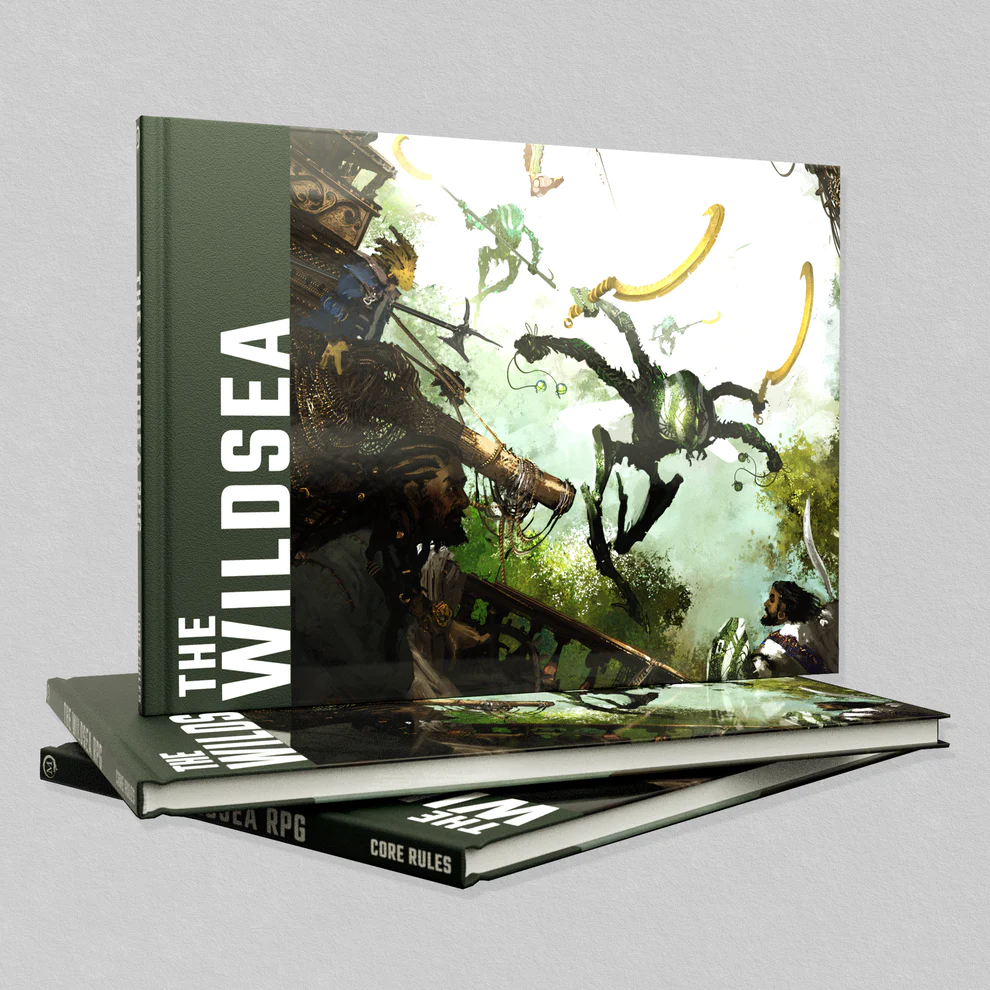
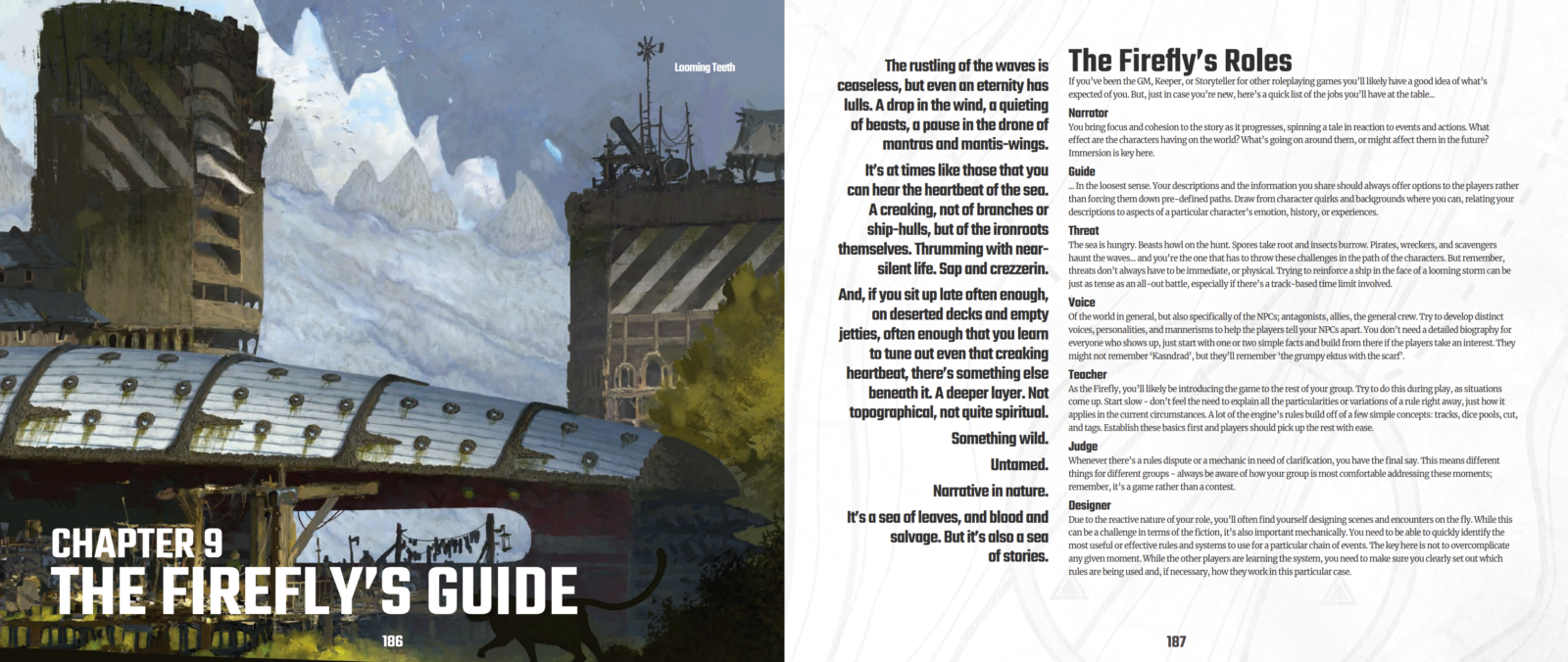
The first Quinn’s Quest review is on a game called The Wildsea. Most people have probably not heard of this intriguing 2020 release about a post-apocalyptic forest world of aggressively verdant vegetation, and chainsaw powered ships bobbing around on the canopies. I’ve actually been a keen fan since that Kickstarter launched three years ago, and I’ve followed Felix Isaacs’ subsequent work closely, but I know I’m in the minority. I asked Quinns why he’s started with a game that’s quite so under the radar?

“My goal for Quinn’s Quest, at least Season One, anyway to kick over the ant hill that is Dungeons and Dragons, see what fans crawl out, and then try and lick them up”. I knew it wouldn’t take long for the monolith that is D&D to be mentioned; their level of brand recognition is impossible to avoid in this scene. Quinns nods, “I’ve been working as a games journalist in some format or another for 20 years and I have never seen a scene that is so captured by one game, one brand, one idea.”

To many people, RPG is Dungeons & Dragons. It can seem less of a hobby than a single homogenous concept. “Exactly”, said Quinns. “However, I think that’s changing right now. I think there are a lot of people bristling at the edges of what Dungeons & Dragons is. In many ways the current status quo makes perfect sense; because role playing is such an unusual hobby, you want to start with the thing that’s most familiar. But I think now, if you look at things like the recent Open Gaming Licence debacle” – in 2023 Wizards of the Coast tried to change the D&D license in a way that the community felt was heavy-handed profiteering – “or Critical Role branching out to design Daggerheart, or even just my own general spider sense, I think people are ready to try something else. The reason I chose to review The Wildsea first is I think it is a game that captures not D&D as it is played, not D&D as it’s written, but D&D as it actually appears in play”.

The apparent dissonance in his last sentence is a clear demonstration of the different between RPG and board games. In traditional board gaming you tend to play exactly the game that the designer has made. Sure, many of us use home rules, or variants we find online, but its rare you find people completely ignoring half the rules, or making up entirely new games using the same pieces. In RPG, that’s the norm.

“Look, I’m sure any number of people reading this have amazing home D&D campaigns. It’s just that I think that’s in spite of the game itself. Dungeons & Dragons does not help you be funny. I don’t think it helps you to be diverse. I think if you look at the rise in popularity of tieflings, for example, it shows that people want to get a bit more creative with their original characters. Wild Sea is a great game for that; and lots of the games in Quinn’s Quest Season One are going to be specifically targeted from different angles.”. At this point Quinns began to to make wild kung fu gestures, demonstrating his planned assault at the ways people might be disappointed in D&D. (Well, in truth, he just told me to say that he went all martial-arty; his work is all about recognising the value of a powerful visual message.)

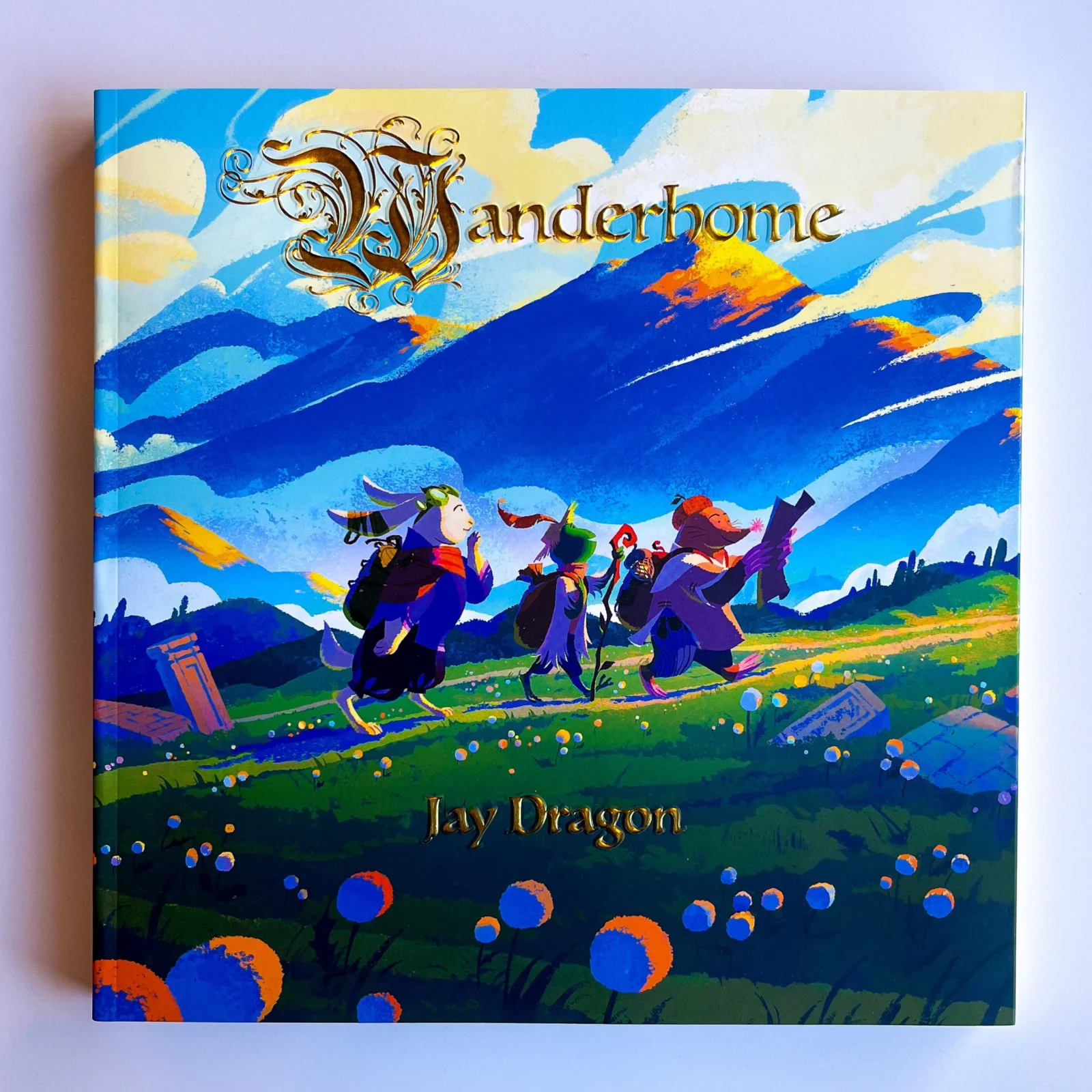
There’s a number of elements that make TTRPG so much fun. One is being someone else. “Many people play D&D in a way that allows you to be focused on the gorgeous beauty of your character”, said Quinns. “That’s what I really feel when I watch shows like Critical Role. Your character is such a beautiful, special, amazing, totemic thing to you”. Other games explore this in very different ways; one that comes to mind is Wanderhome, a diceless game of talking animals, where your personal and emotional journey is the entire narrative.

”I think that kind of play rather flies in the face of what Dungeons & Dragons does best – which is going into a dungeon!” says Quinns. His early experiences of RPG were all in the grittier, harder world of early D&D; which are now celebrated in releases like Old School Essentials or MÖRK BORG, games where life is bleak and short. He laughs*,* “I played a funnel once, and all four of my characters died!”. It is true that it’s hard for deep, impactful character development to share a stage with casual, humorous death*.*

Death is always close at hand in the world of The Wildsea. The land is coated with angry, violent trees, and your crew struggle to survive it. “There’s ‘the Thrash’, which is right at the top”, explained Quinns. “There’s ‘the Tangle’, which is where the game starts to feel like a uboat simulator. And then there’s ‘the Drown’, which is like, don’t go this low. Finally, there’s ‘the Sink’, which is like, the leaves stop and you just fall and die. Everywhere is knives, pretty much.”

So, in such a violent setting, the crew are glued together by their need for survival. “It’s so cramped on board, it forces people together”, said Quinns. “I used to work with somebody who was an entertainer on cruise ships and I asked him what it was like. He just got this really far away, sad look at his eyes and then quietly said ‘There’s no secrets on a boat’. If you can bring a bit of that to your game, you know it’s working!”

Our time sped away from us, and I asked Quinns if he had any key takeaways for people looking to get more involved in roleplay games. He thought for a moment before he replied. “I think people roleplay primarily as a way to have feelings and experiences. I think it’s about figuring out what excites you and your players, and then choosing that game because that is the thing you will be best at running. Too often people have to try to figure out exactly how to run something in a book, rather than finding something in a book that runs how they want”.

I found The Wildsea an absolutely beautiful game – you should certainly hunt down a copy – and it’s filled with fantastic, genre-challenging ideas, but I also felt like the rules were a little intimidating to run in some ways. ”I think for me, if you are really connected to a genre, you will fill those gaps mentally”, said Quinns. “I am such a fan of Sunless Sea and Sunless Skies that reading Wildsea, I was like, ‘Yep, No, I get it’. And probably my imagination papered over the bits that you found lacking.” It’s true. There are so many amazing indie games out there, it’s time to find one that matches your creative desires, rather than shoe-horn yourself into an “improv straightjacket”.

Or, as Quinns explained; “What should people start with? They should start with something they love so much that they already live and breathe it”.

You can catch Quinns Quest on YouTube, or over on twitter as @Quinns108

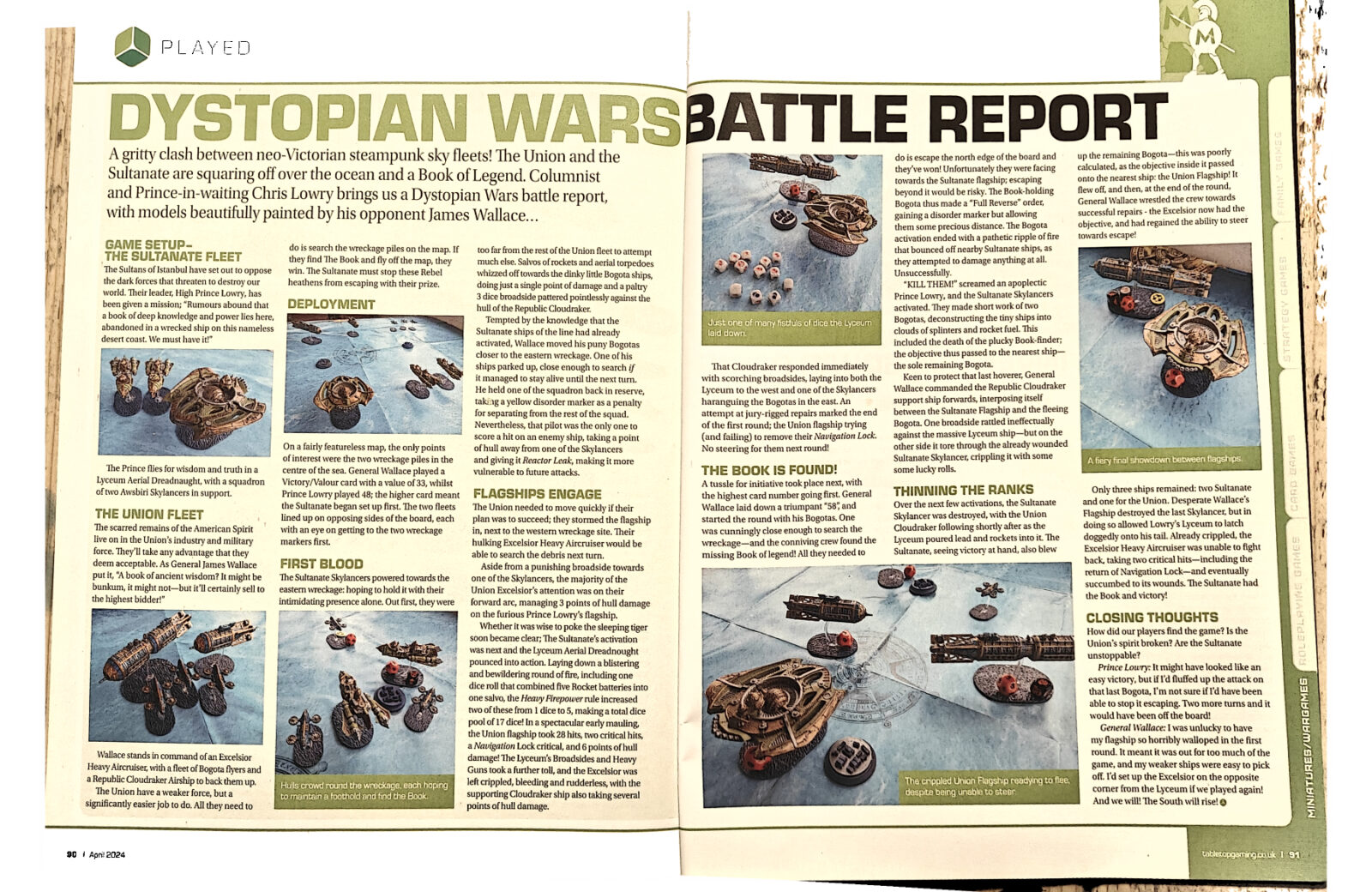
Dystopian Wars Battle Report

A gritty clash between neo-Victorian steampunk sky fleets! The Union and the Sultanate are squaring off over the ocean and a Book of Legend. Columnist and Prince-in-waiting Chris Lowry brings us a Dystopian Wars battle report, with models beautiful painted by his opponent James Wallace…


Game Setup

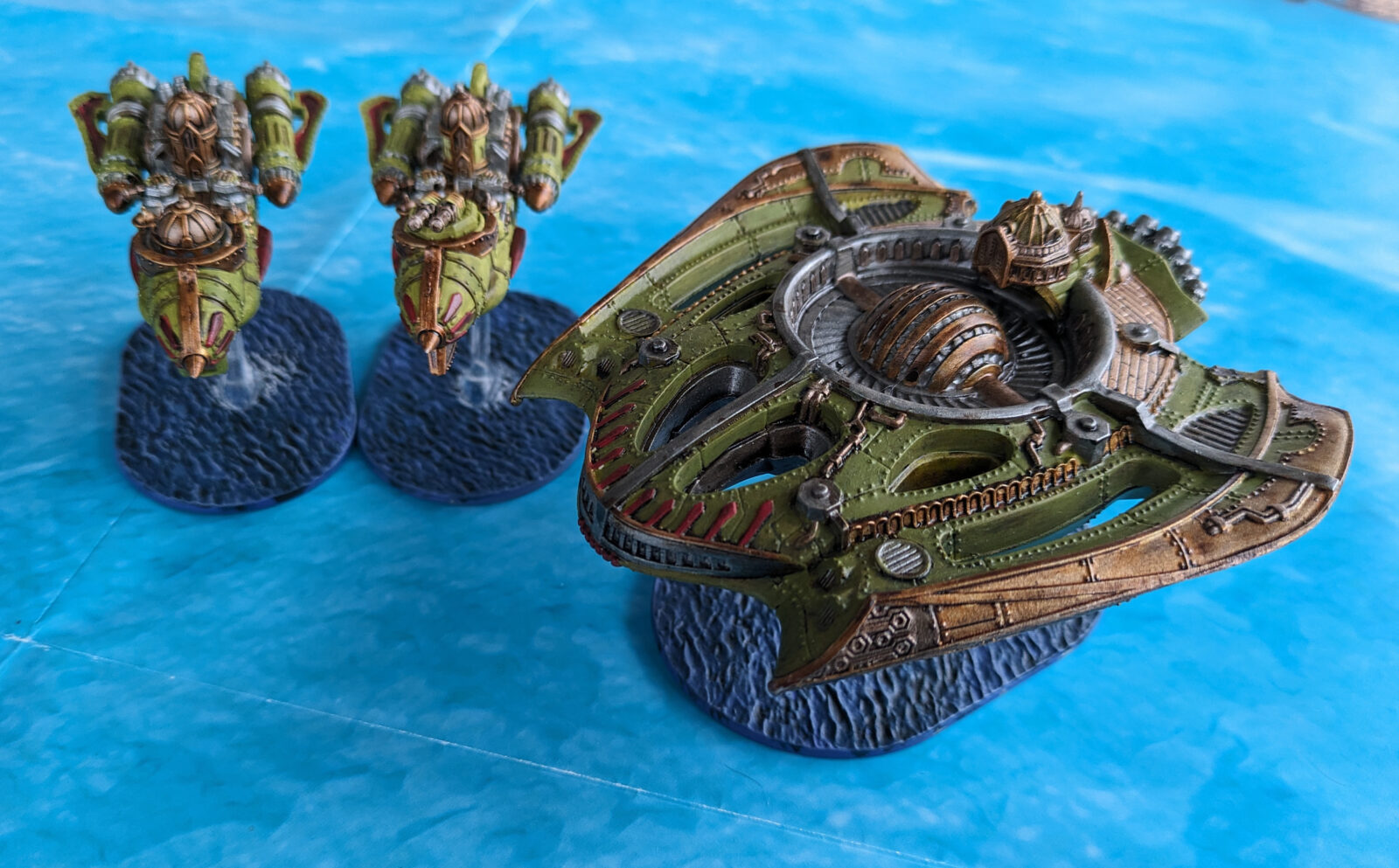
The Sultanate fleet

The Sultans of Istanbul have set out to oppose the dark forces that threaten to destroy our world. Their leader, High Prince Lowry, has been given a mission; “Rumours abound that a Book of deep knowledge and power lies here, abandoned in a wrecked ship on this nameless desert coast. We must have it!”

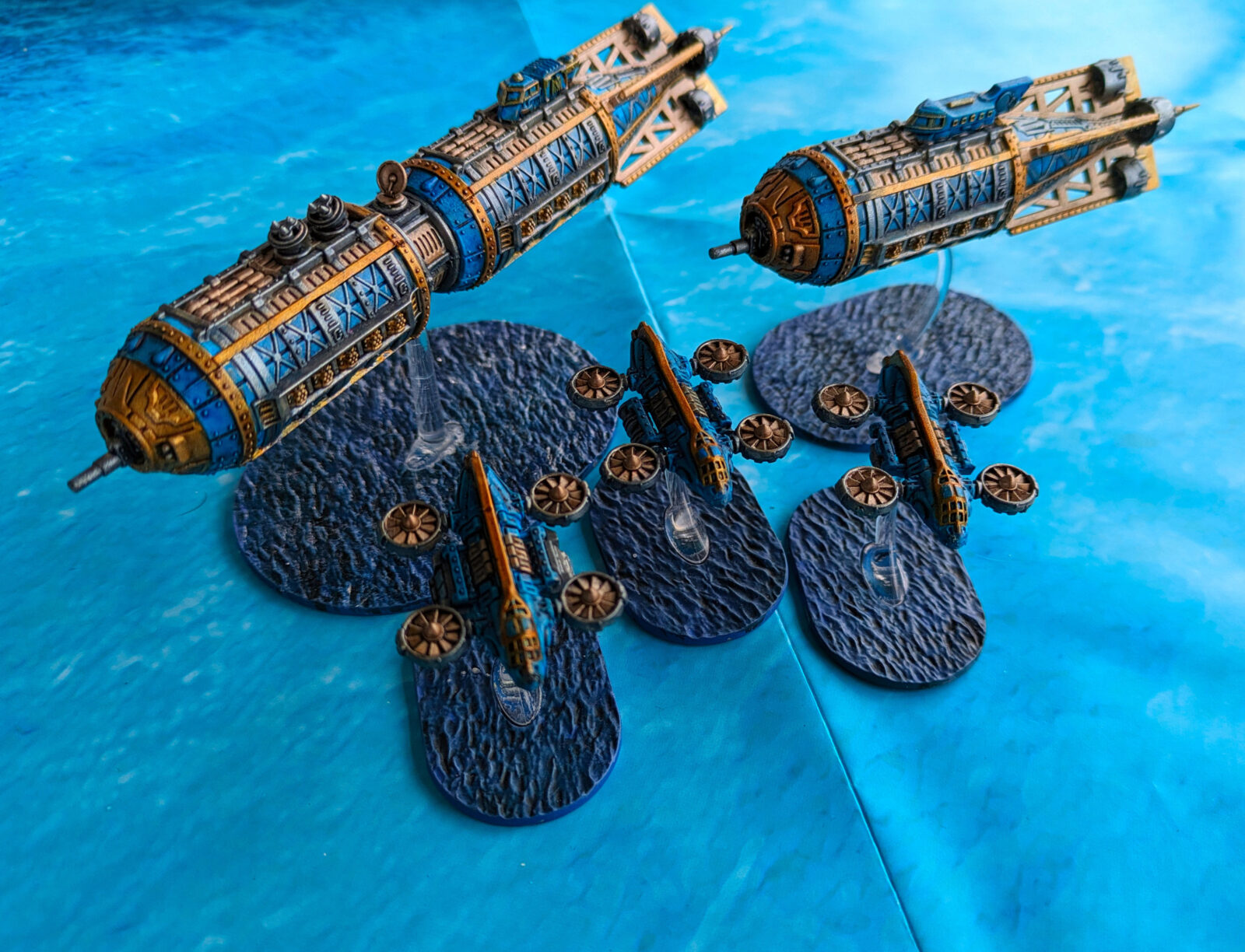
The Prince flies for wisdom and truth in an Lyceum Aerial Dreadnaught, with a squadron of two Awsbiri Skylancers in support.

The Union fleet

The scarred remains of the American Spirit live on in the Union’s industry and military force. They’ll take any advantage that they deem acceptable. As General James Wallace put it, “A book of ancient wisdom? It might be bunkum, it might not—but it’ll certainly sell to the highest bidder!”

Wallace stands in command of an Excelsior Heavy Aircruiser, with a fleet of Bogota flyers and a Republic Cloudraker Airship to back them up.

The Union have a weaker force, but a significantly easier job to do. All they need to do is search the wreckage piles on the map. If they find The Book and fly off the map, they win. The Sultanate must stop these Rebel heathens from escaping with their prize.

Deployment

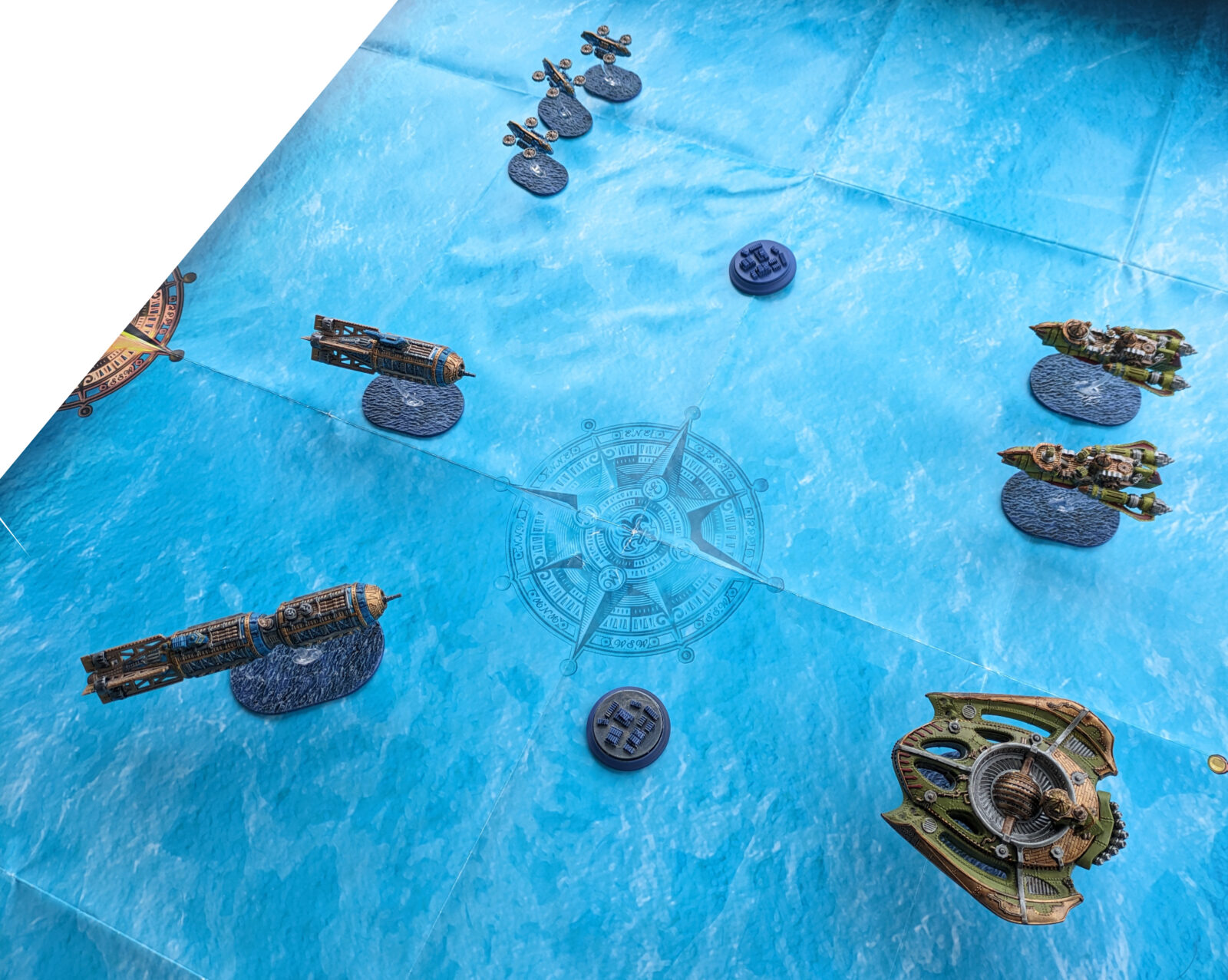
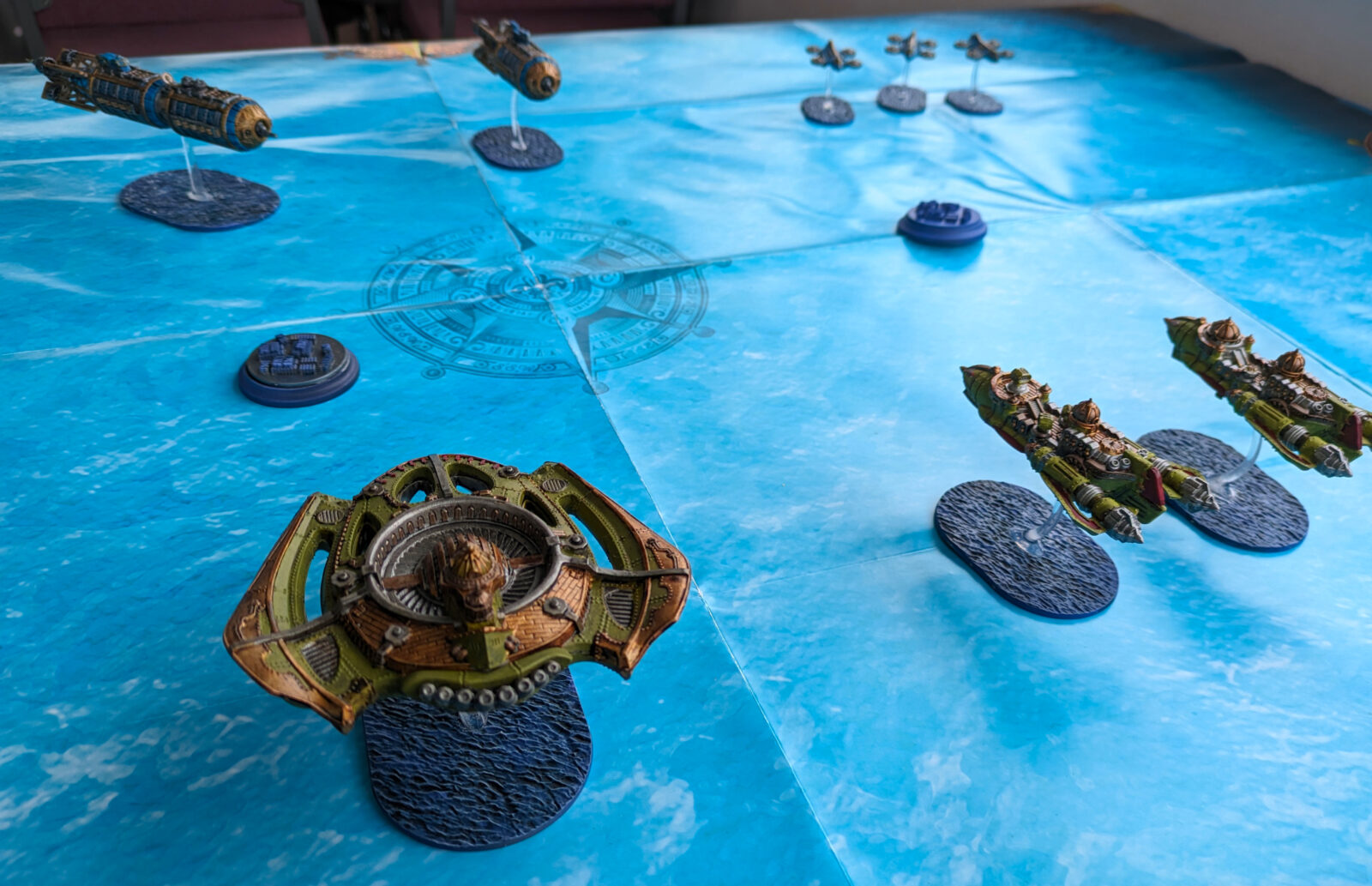
On a fairly featureless map, the only points of interest were the two wreckage piles in the centre of the sea. General Wallace played a Victory/Valour card with a value of 33, whilst Prince Lowry played 48; the higher card meant the Sultanate began set up first. The two fleets lined up on opposing sides of the board, each with an eye on getting to the two wreckage markers first.


First blood

The Sultanate Skylancers powered towards the eastern wreckage: hoping to hold it with their intimidating presence alone. Out first, they were too far from the rest of the Union fleet to attempt much else. Salvos of rockets and aerial torpedoes whizzed off towards the dinky little Bogota ships, doing just a single point of damage and a palty 3 dice broadside pattered pointlessly against the hull of the Republic Cloudraker.

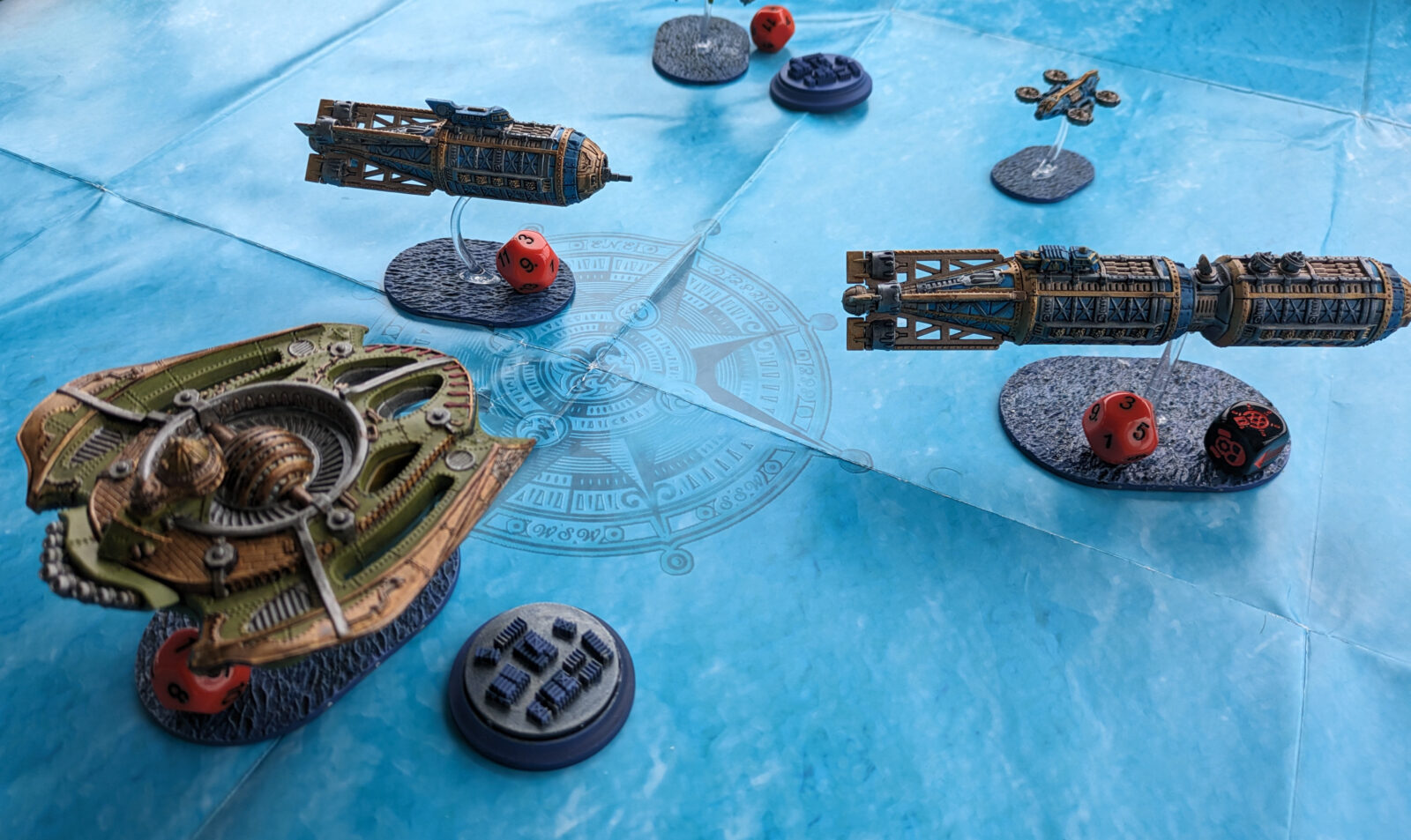
*Hulls crowd round the wreckage, each hoping to maintain a foothold and find the Book.

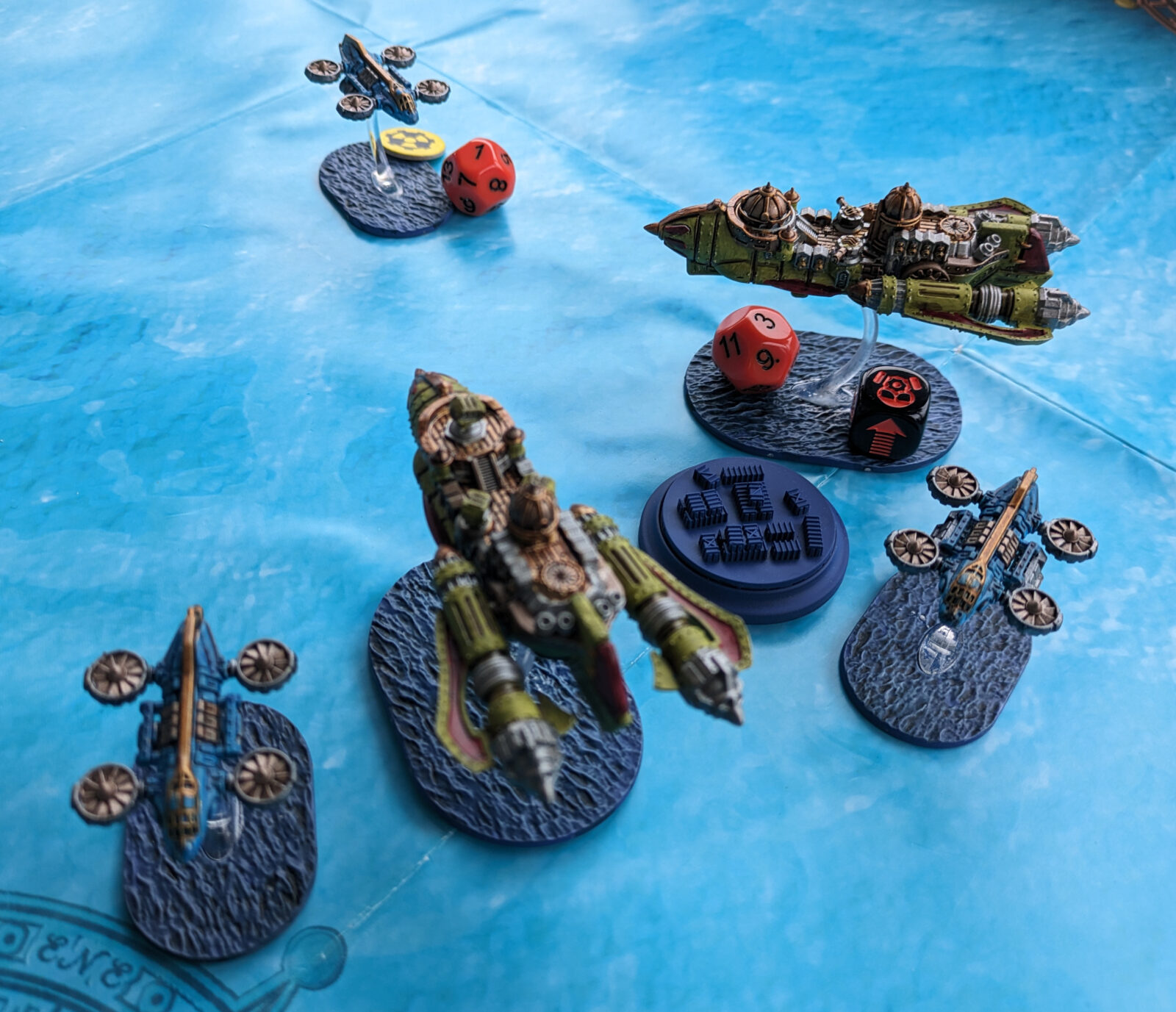
Tempted by the knowledge that the Sultanate ships of the line had already activated, Wallace moved his puny Bogotas closer to the eastern wreckage. One of his ships parked up, close enough to search if it managed to stay alive until the next turn. He held one of the squadron back in reserve, taking a yellow disorder marker as a penalty for separating from the rest of the squad. Nevertheless, that pilot was the only one to score a hit on an enemy ship, taking a point of hull away from one of the Skylancers and giving it Reactor Leak, making it more vulnerable to future attacks.

Flagships engage

The Union needed to move quickly if their plan was to succeed; they stormed the flagship in, next to the western wreckage site. Their hulking Excelsior Heavy Aircruiser would be able to search the debris next turn.

Aside from a punishing broadside towards one of the Skylancers, the majority of the Union Excelsior’s attention was on their forward arc, managing 3 points of hull damage on the furious Prince Lowry’s flagship.

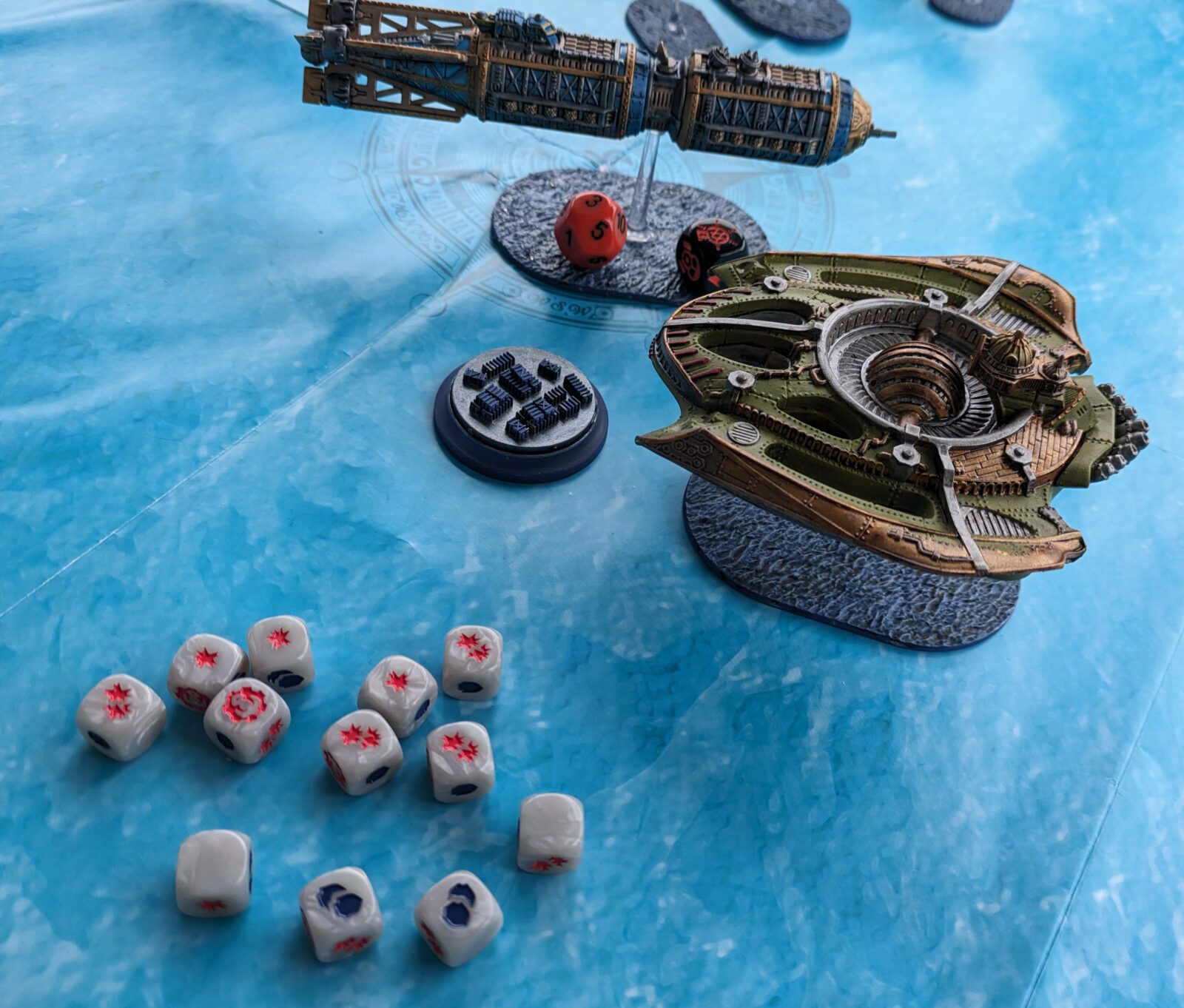
Whether it was wise to poke the sleeping tiger soon became clear; The Sultanate’s activation was next and the Lyceum Aerial Dreadnought pounced into action. Laying down a blistering and bewildering round of fire, including one dice roll that combined five Rocket batteries into one salvo, the Heavy Firepower rule increased two of these from 1 dice to 5, making a total dice pool of 17 dice! In a spectacular early mauling, the Union flagship took 28 hits, two critical hits, a Navigation Lock critical, and 6 points of hull damage! The Lyceum’s Broadsides and Heavy Guns took a further toll, and the Excelsior was left crippled, bleeding and rudderless, with the supporting Cloudraker ship also taking several points of hull damage.

*Just one of many fistfuls of dice the Lyceum laid down.

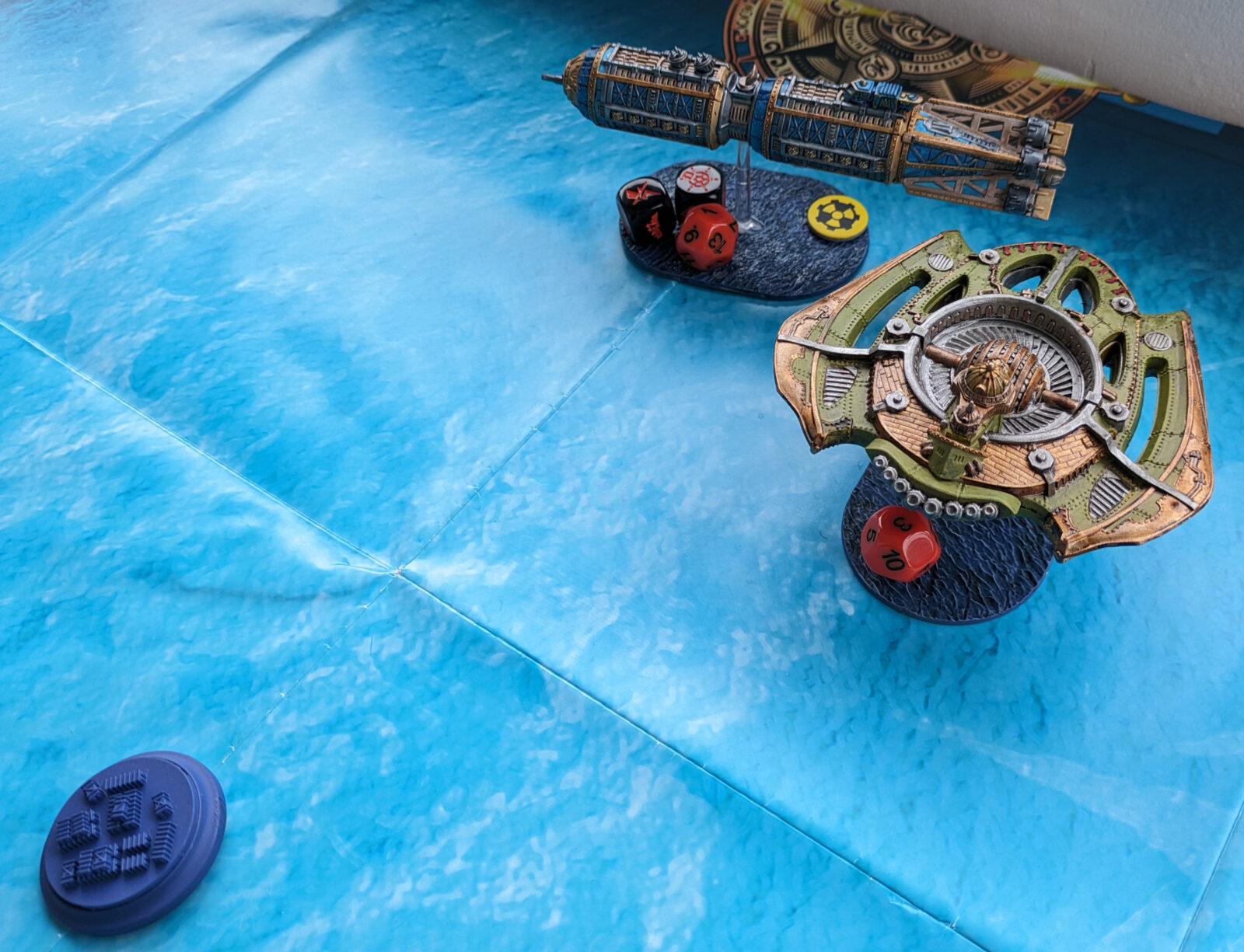
That Cloudraker responded immediately with scorching broadsides, laying into both the Lyceum to the west and one of the Skylancers haranguing the Bogotas in the east. An attempt at jury-rigged repairs marked the end of the first round; the Union flagship trying (and failing) to remove their Navigation Lock. No steering for them next round!


The book is found!

A tussle for initiative took place next, with the highest card number going first. General Wallace laid down a triumpant “58”, and started the round with his Bogotas. One was cunningly close enough to search the wreckage—and the conniving crew found the missing Book of legend! All they needed to do is escape the north edge of the board and they’ve won! Unfortunately they were facing towards the Sultanate flagship; escaping beyond it would be risky. The Book-holding Bogota thus made a “Full Reverse” order, gaining a disorder marker but allowing them some precious distance. The Bogota activation ended with a pathetic ripple of fire that bounced off nearby Sultanate ships, as they attempted to damage anything at all. Unsuccessfully.

“KILL THEM!” screamed an apoplectic Prince Lowry, and the Sultanate Skylancers activated. They made short work of two Bogotas, deconstructing the tiny ships into clouds of splinters and rocket fuel. This included the death of the plucky Book-finder; the objective thus passed to the nearest ship—the sole remaining Bogota.

Keen to protect that last hoverer, General Wallace commanded the Republic Cloudraker support ship forwards, interposing itself between the Sultanate Flagship and the fleeing Bogota. One broadside rattled ineffectually against the massive Lyceum ship—but on the other side it tore through the already wounded Sultanate Skylancer, crippling it with some some lucky rolls.

*The crippled Union Flagship readying to flee, despite being unable to steer.

Thinning the ranks

Over the next few activations, the Sultanate Skylancer was destroyed, with the Union Cloudraker following shortly after as the Lyceum poured lead and rockets into it. The Sultanate, seeing victory at hand, also blew up the remaining Bogota—this was poorly calculated, as the objective inside it passed onto the nearest ship: the Union Flagship! It flew off, and then, at the end of the round, General Wallace wrestled the crew towardss successful repairs – the Excelsior now had the objective, and had regained ability to steer towards escape!


*A fiery final showdown between flagships.

Only three ships remained: two Sultanate and one for the Union. Desperate Wallace’s Flagship destroyed the last Skylancer, but in doing so allowed Lowry’s Lyceum to latch doggedly onto his tail. Already crippled, the Excelsior Heavy Aircruiser was unable to fight back, taking two critical hits—including the return of Navigation Lock—and eventually succumbed to its wounds. The Sultanate had the Book and victory!

Closing Thoughts

How did our players find the game? Is the Union’s spirit broken? Are the Sultanate unstoppable?

Prince Lowry: It might have looked like an easy victory, but if I’d fluffed up the attack on that last Bogota, I’m not sure if I’d have been able to stop it escaping. Two more turns and it would have been off the board!

General Wallace: I was unlucky to have my flagship so horribly walloped in the first round. It meant it was out for too much of the game, and my weaker ships were easy to pick off. I’d set up the Excelsior on the opposite corner from the Lyceum if we played again! And we will! The South will rise!

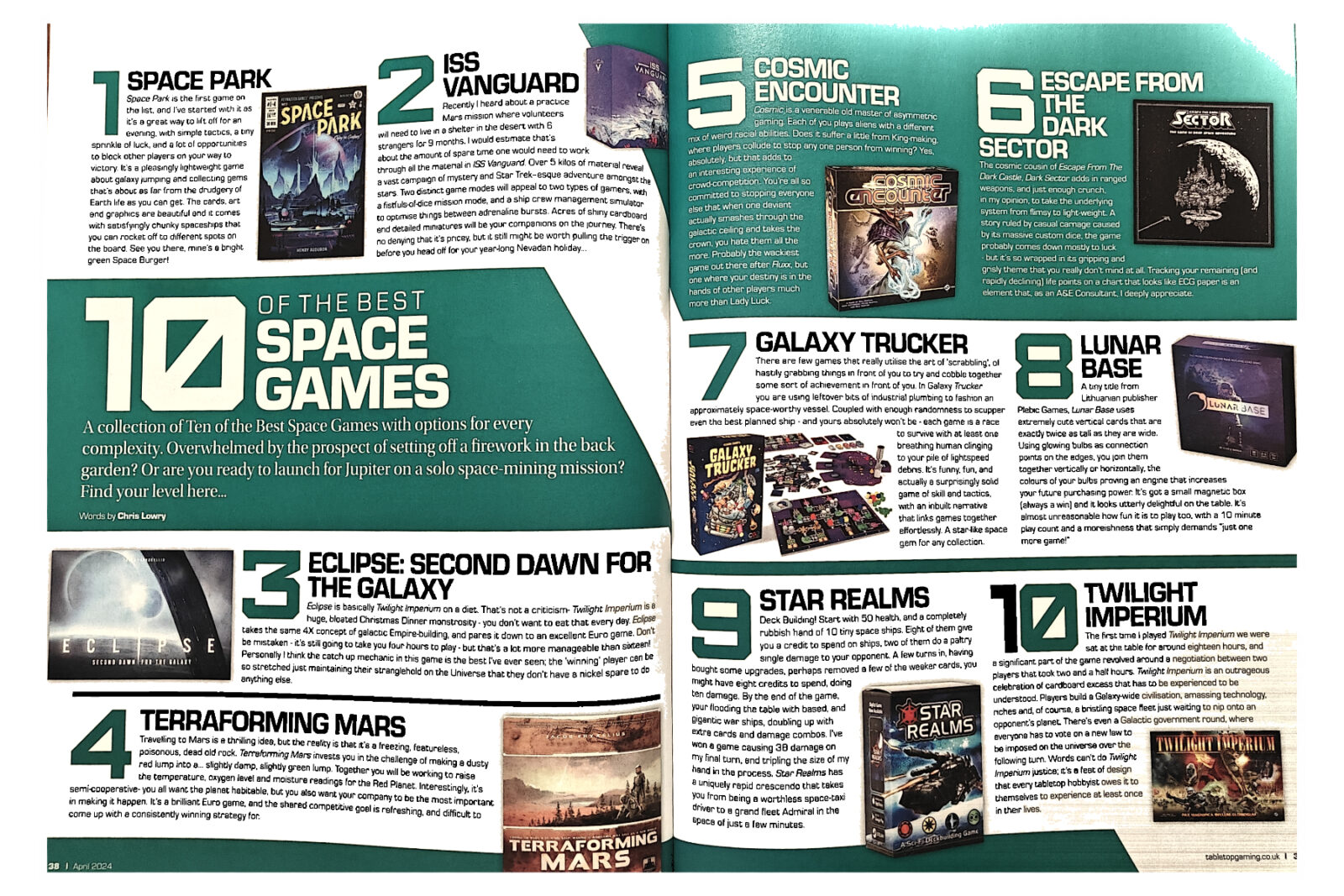
COUNTDOWN TO SPACE (Ten of the Best Space games)

A collection of Ten of the Best Space Games, in order of complexity. Overwhelmed by the prospect of setting off a firework in the back garden? Or are you ready to launch for Jupiter on a solo space-mining mission? Find your level below…

“10…” Space Park

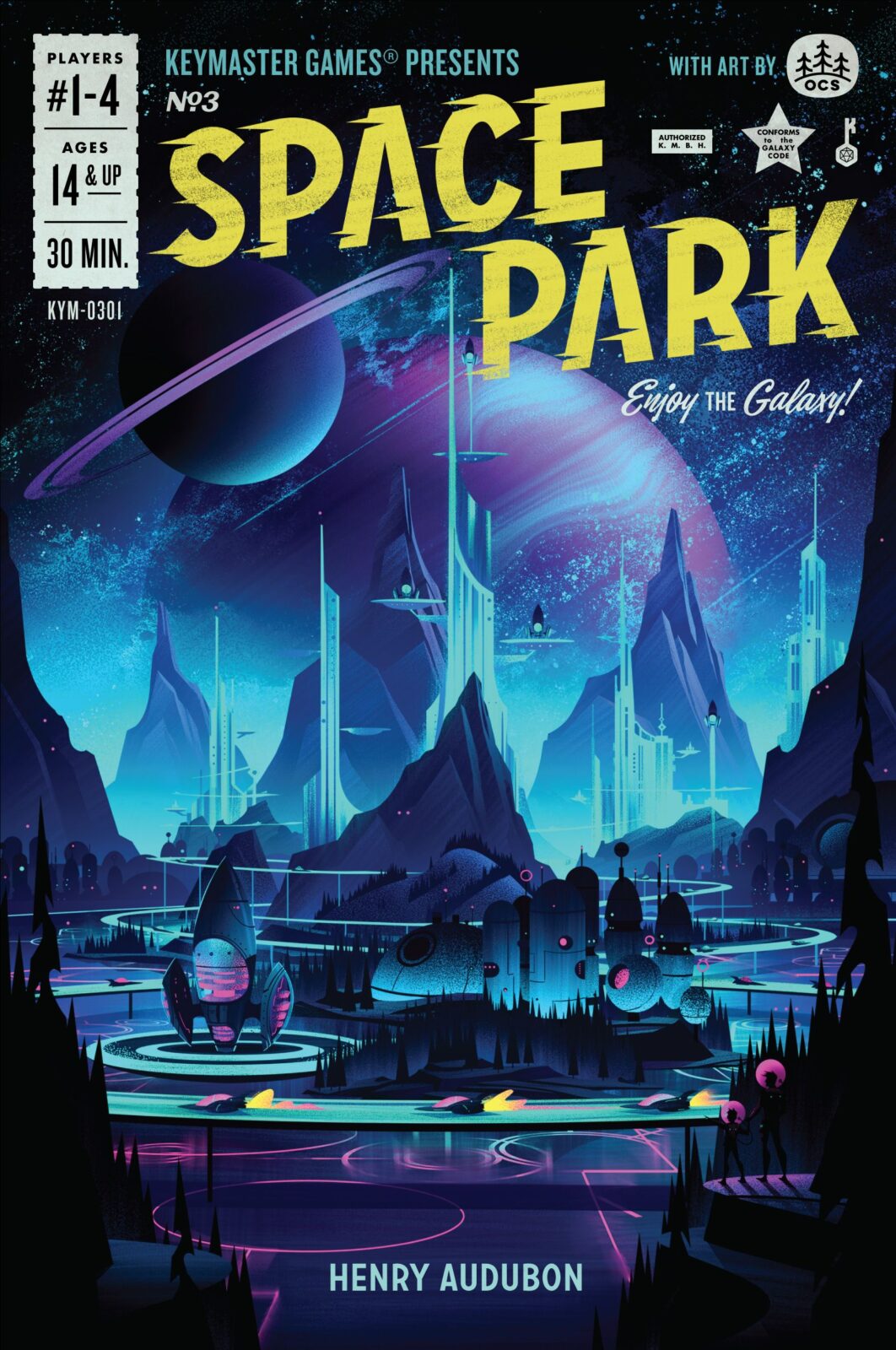
Space Park is the first game on the list, and I’ve started with it as it’s a great way to Lift Off! for an evening, with simple tactics, a tiny sprinkle of luck, and a lot of opportunities to block other players on your way to victory. It’s a pleasingly lightweight game about galaxy jumping and collecting gems that’s about as far from the drudgery of Earth life as you can get. The cards, art and graphics are beautiful and it comes with satisfyingly chunky spaceships that you can rocket off to different spots on the board. See you there, mine’s a bright green Space Burger!


“9…” Star Realms

Deck Building! Start with 50 health, and a completely rubbish hand of 10 tiny space ships. Eight of them give you a credit to spend on ships, two of them do a paltry single damage to your opponent. A few turns in, having bought some upgrades, perhaps removed a few of the weaker cards, you might have eight credits to spend, doing ten damage. By the end of the game, your flooding the table with based, and gigantic war ships, doubling up with extra cards and damage combos. I’ve won a game causing 38 damage on my final turn, and tripling the size of my hand in the process. Star Realms has a uniquely rapid crescendo that takes you from being a worthless space -taxi driver to a grand fleet Admiral in the space of just a few minutes.

“8…” Lunar Base

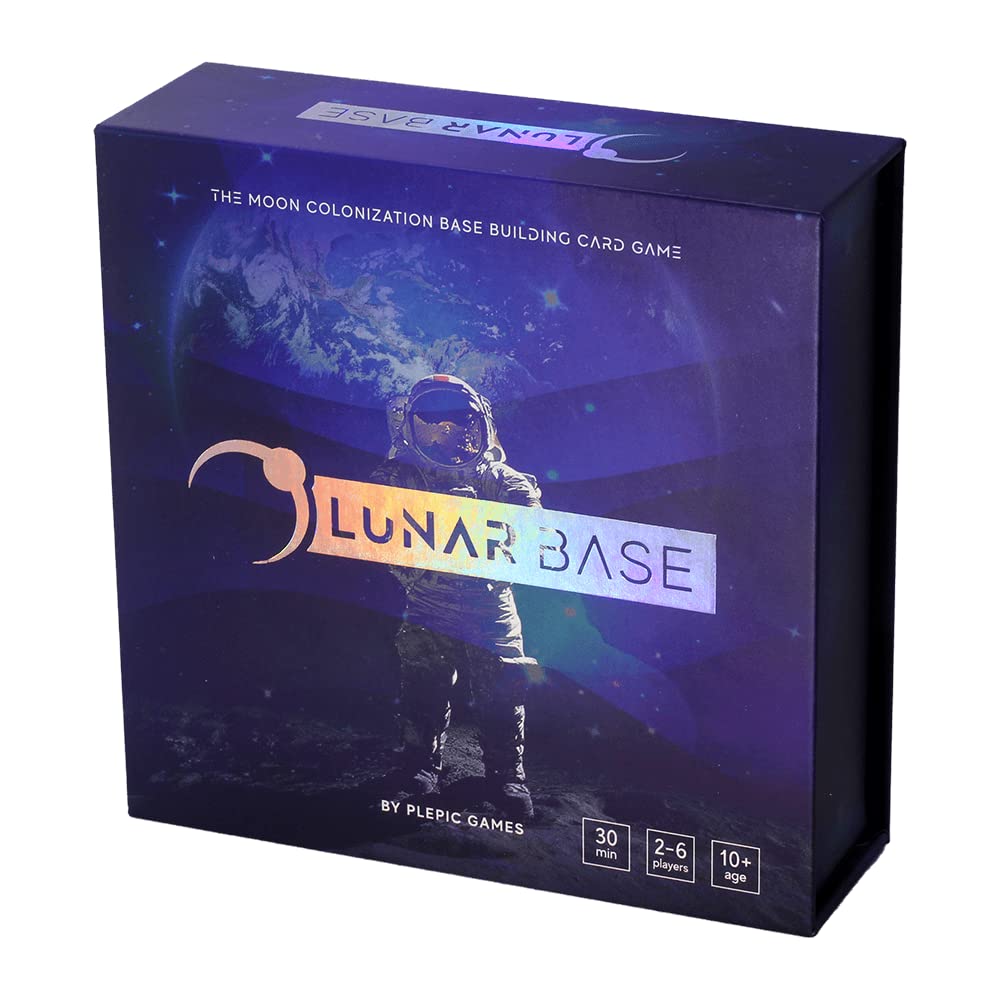
A tiny title from Lithuanian publisher Plebic Games, Lunar Base uses extremely cute vertical cards that are exactly twice as tall as they are wide. Using glowing bulbs as connection points on the edges, you join them together vertically or horizontally, the colours of your bulbs proving an engine that increases your future purchasing power. It’s got a small magnetic box (always a win) and it looks utterly delightful on the table. It’s almost unreasonable how fun it is to play too, with a 10 minute play count and a moreishness that simply demands “just one more game!”

“7…” Galaxy Trucker

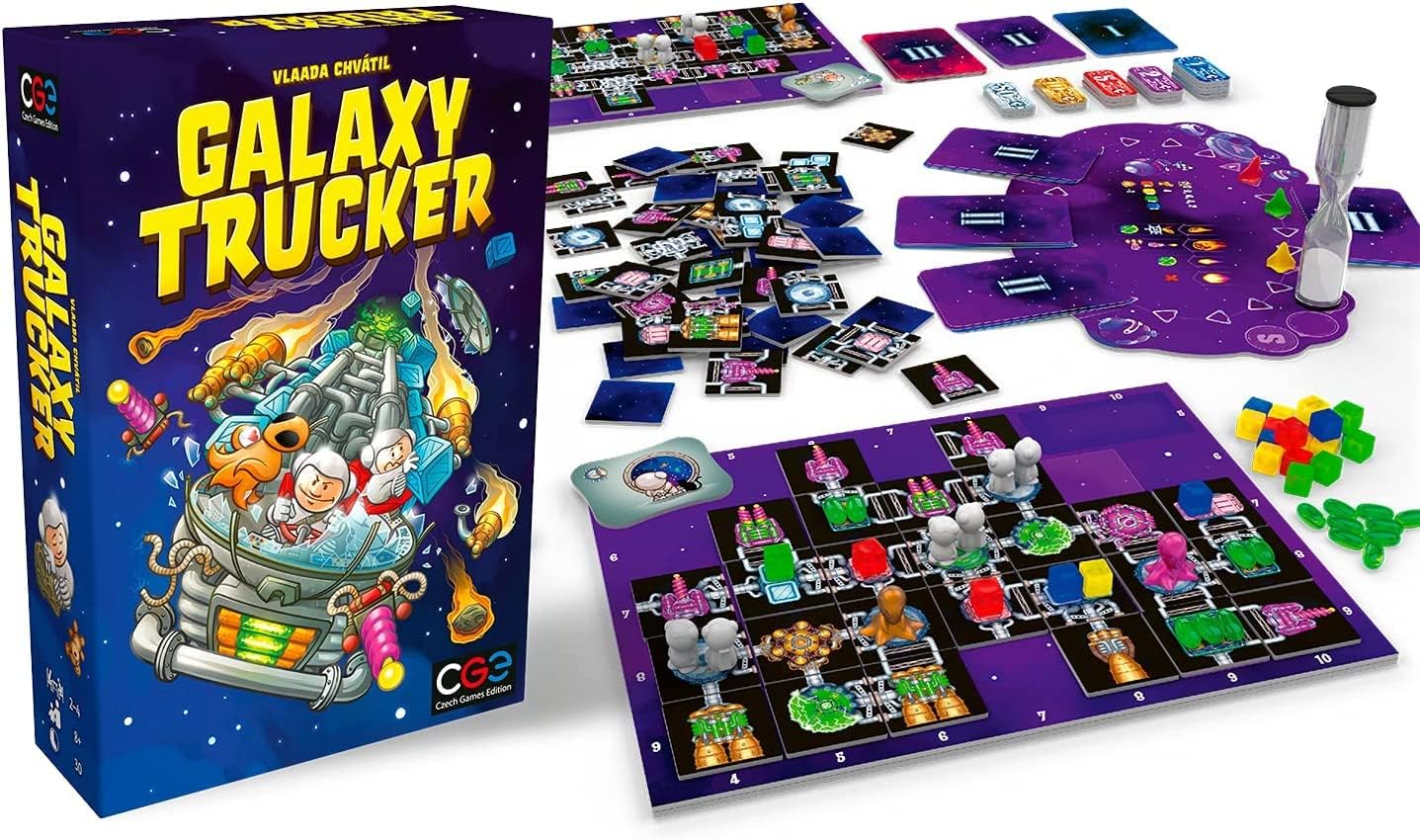
There are few games that really utilise the art of ‘scrabbling’, of hastily grabbing things in front of you to try and cobble together some sort of achievement in front of you. In Galaxy Trucker you are using leftover bits of industrial plumbing to fashion an approximately space-worthy vessel. Coupled with enough randomness to scupper even the best planned ship – and yours absolutely won’t be – each game is a race to survive with at least one breathing human clinging to your pile of lightspeed debris. It’s funny, fun, and actually a surprisingly solid game of skill and tactics, with an inbuilt narrative that links games together effortlessly. A star-like spacegem for any collection.

“6…” Escape from the Dark Sector

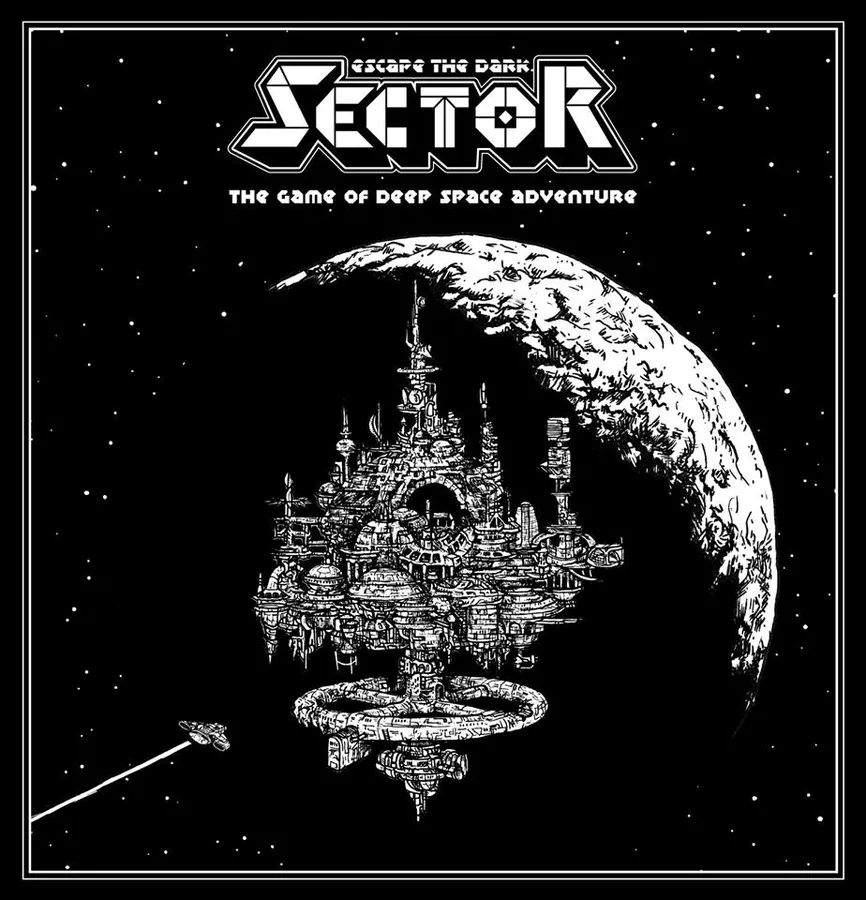
The cosmic cousin of Escape From The Dark Castle, Dark Sector adds in ranged weapons, and just enough crunch, in my opinion, to take the underlying system from flimsy to light-weight. A story ruled by casual carnage caused it’s massive custom dice, the game probably comes down mostly to luck – but it’s so wrapped in it’s gripping and grisly theme that you really don’t mind at all. Tracking your remaining (and rapidly declining) life points on a chart that looks like ECG paper is an element that, as an A&E Consultant, I deeply appreciate.


“5…” Cosmic Encounter

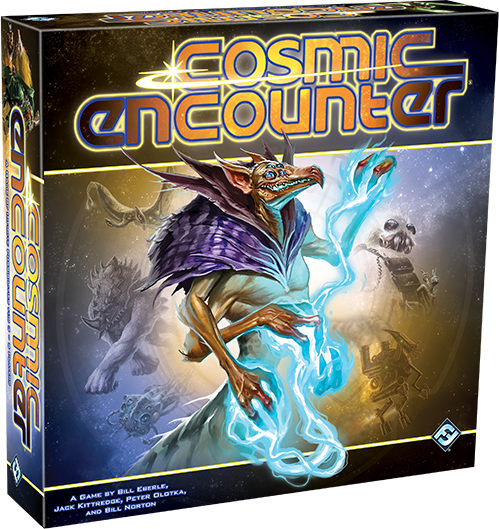
Cosmic is a venerable old master of asymmetric gaming. Each of you plays aliens with a different mix of weird racial abilities. Does it suffer a little from King-making, where player collude to stop any one person from winning? Yes, absolutely, but that adds to an interesting experience of crowd-competition. You’re all so commited to stopping everyone else that when one deviant actually smashes through the galactic ceiling and takes the crown, you hate them all the more. Probably the wackiest game out there after Fluxx, but one where your destiny is in the hands of other players much more than Lady Luck.


“4…” Terraforming Mars

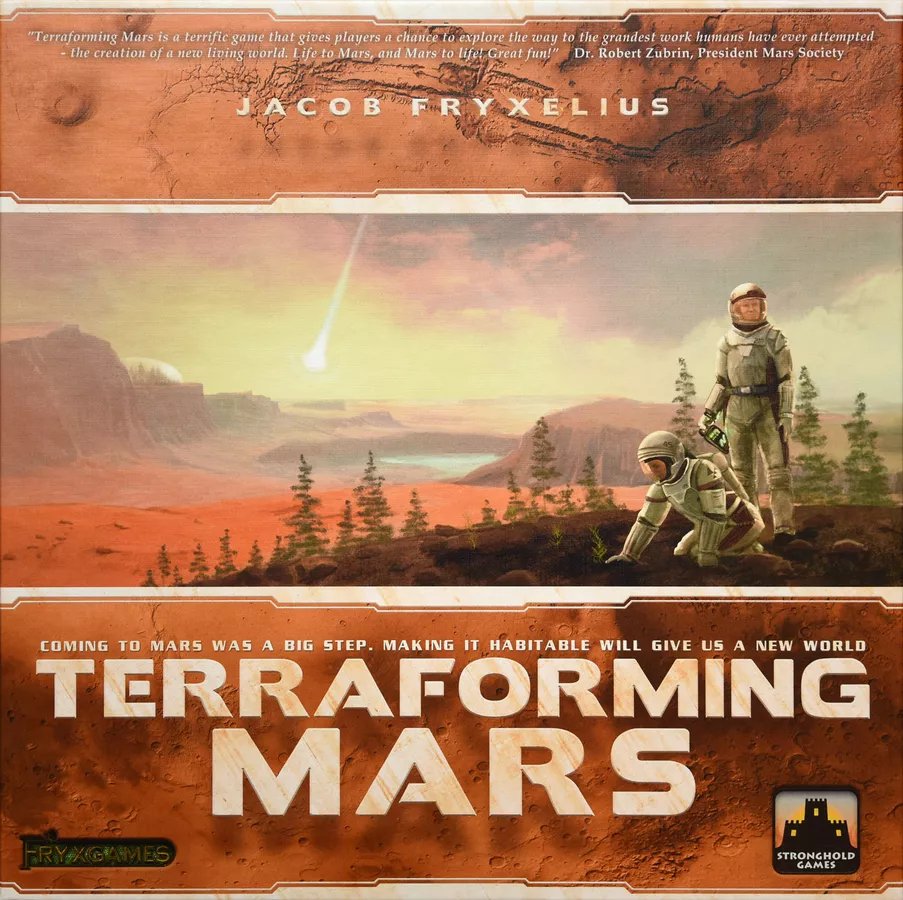
Travelling to Mars is a thrilling idea, but the reality is that it’s a freezing, featureless, poisonous, dead old rock. Terraforming Mars invests you in the challenge of making a dusty red lump into a… slightly damp, slightly green lump. Together you will be working to raise the temperature, oxygen level and moisture readings for the Red Planet. Interestingly, it’s semi-cooperative- you all want the planet habitable, but you also want your company to be the most important in making it happen. It’s a brilliant Euro game, and the shared competitive goal is refreshing, and difficult to come up with a consistently winning strategy for.

“3…” Eclipse: Second Dawn For The Galaxy

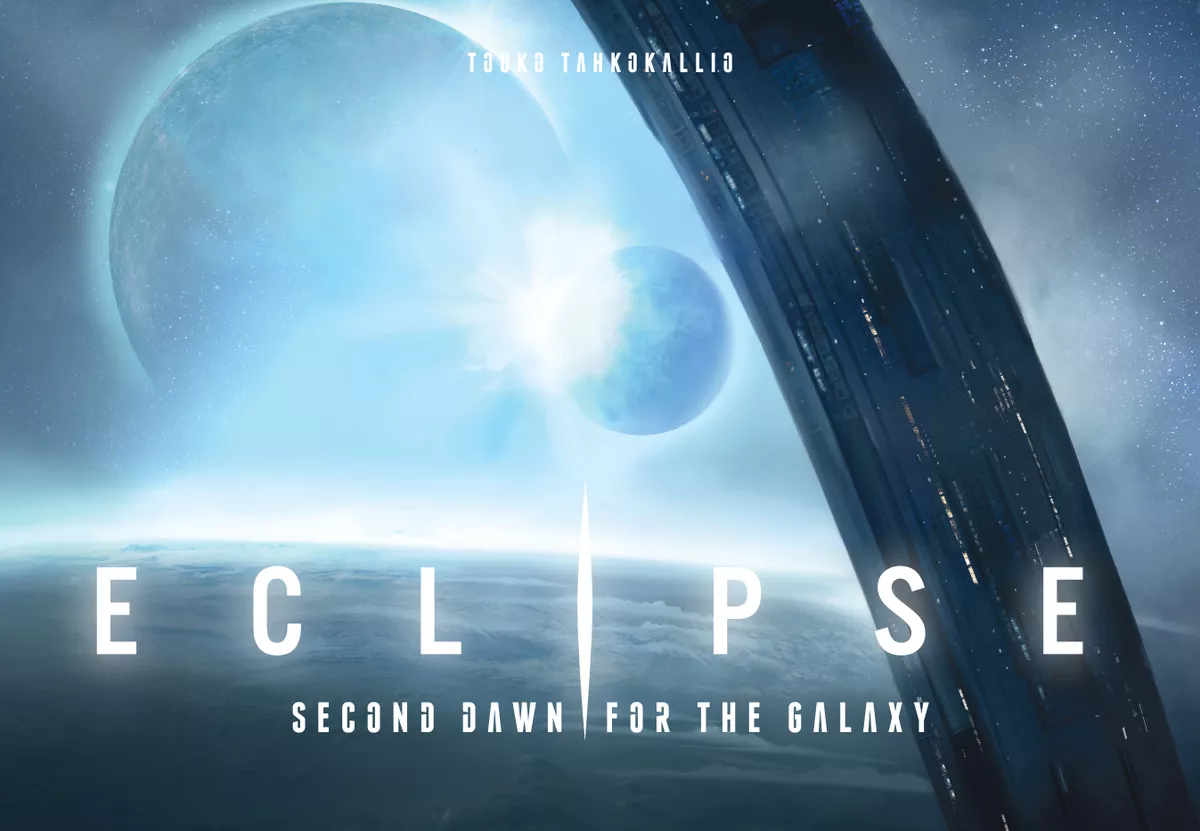
Eclipse is basically Twilight Imperium on a diet. That’s not a criticism- TI is a huge, bloated Christmas Dinner monstrosity – you don’t want to eat that every day. Eclipse takes the same 4X concept of galactic Empire-building, and pares it down to an excellent Euro game. Don’t be mistaken – it’s still going to take you four hours to play – but that’s a lot more manageable than sixteen! Personally I think the catch up mechanic in this game is the best I’ve ever seen; the ‘winning’ player can be so stretched just maintaining their stranglehold on the Universe that they don’t have a nickel spare to do anything else.

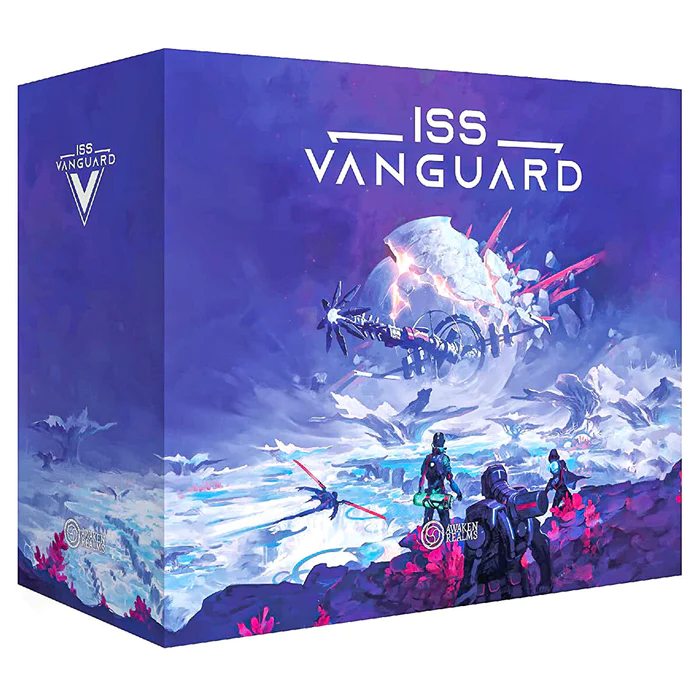
“2…” ISS Vanguard

Recently I heard about a practice Mars mission where volunteers will need to live in a shelter in the desert with 6 strangers for 9 months. I would estimate that’s about the amount of spare time one would need to work through all the material in ISS Vanguard. Over 5 kilos of material reveal a vast campaign of mystery and Star Trek–esque adventure amongst the stars. Two distinct game modes will appeal to two types of gamers, with a fistfuls-of-dice mission mode, and a ship crew management simulator to optimise things between adrenaline bursts. Acres of shiny cardboard and detailed miniatures will be your companions on the journey. There’s no denying that it’s pricey, but it still might be worth pulling the trigger on before you head off for your year-long Nevadan holiday…

“…1!” Twilight Imperium

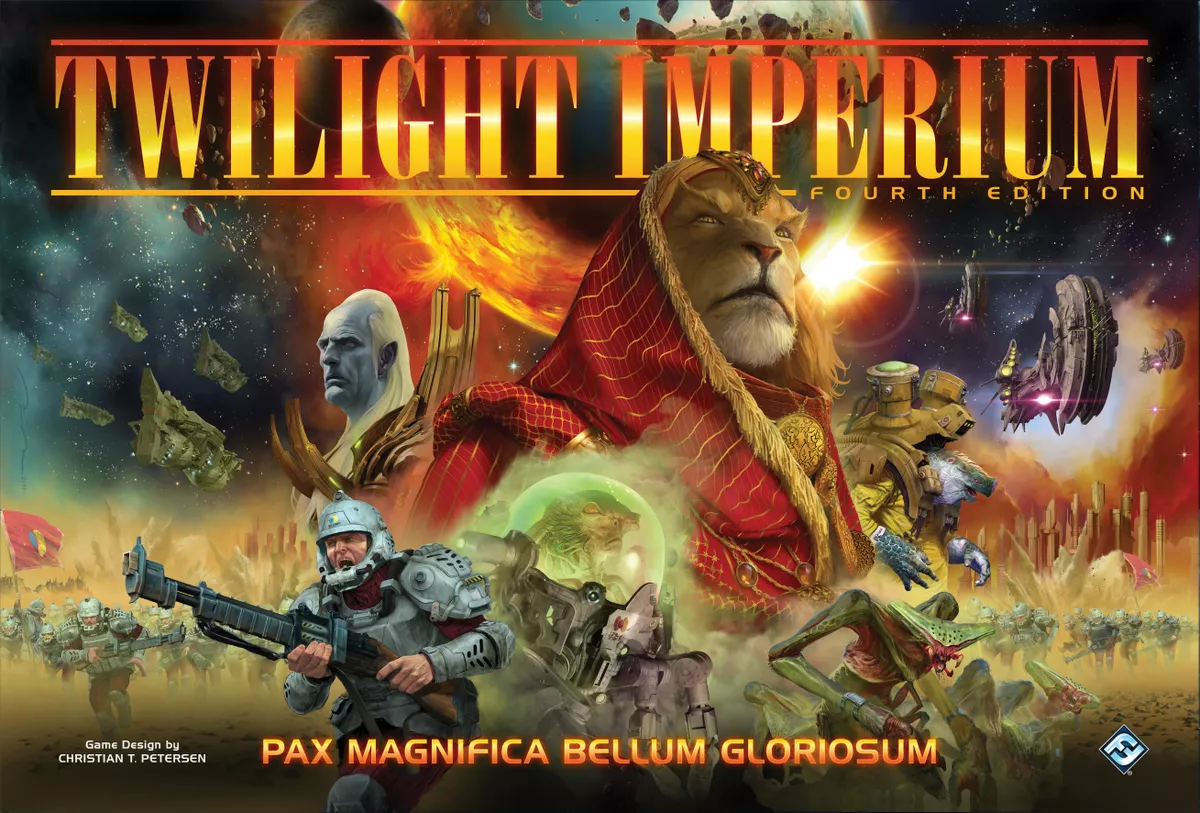
The first time I played Twilight Imperium we were sat at the table for around eighteen hours, and a significant part of the game revolved around a negotiation between two players that took two and a half hours. TI is an outrageous celebration of cardboard excess that has to be experienced to be understood. Players build a Galaxy-wide civilisation, amassing technology, riches and, of course, a bristling space fleet just waiting to nip onto an opponents planet. There’s even a Galactic government round, where everyone has to vote on a new law to be imposed on the universe over the following turn. Words can’t do Twilight Imperium justice; it’s a feat of design that every tabletop hobbyist owes it to themselves to experience at least once in their lives.