Blog

Day Eight: Trauma & Orthopaedics

The following is part of a series of posts about the Developing Health Course 2012 run by CMF.

Driving round the North Circular via the world’s most awful roundabout meant that I nearly didn’t make it to the course this morning. Happily though, I avoiding the lorry that tried to crush me by changing lanes without indicating, and I arrived ready for a day of #…

Trauma Overview
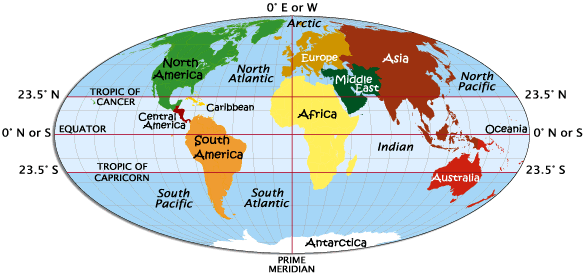
Areas for tropical surgeryOur first talk came from Chris Lavy, husband of Vicky Lavy, who runs the course. He explained that the reason for his haggard experience was her being away for a week, leaving him alone with the children.

The USA have nearly 1% of the population having an operation each year, whereas in Guyana that figure is 0.002%. There are 1700 surgeons per 100,000 population in the UK, whereas in Ethiopa that figure is around 1 per 100,000.

When I work in London, I don’t even recognise all the other surgical consultants in my hospital. When we lived in Malawi I knew the names, birthdays and spouses of every surgeon in the country.

16% of the global burden of disease is injuries, so we need to take it seriously. The Primary Trauma Care course is basically a very low cost of the ATLS course.

Fractures & Joint Injuries
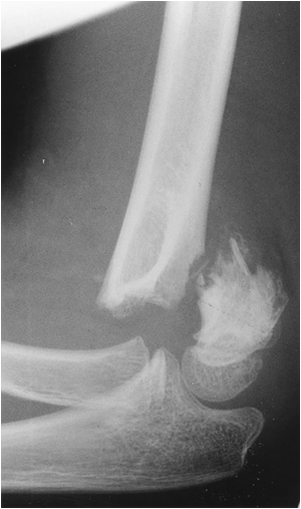
In the West, it has become common to treat fractures operatively, but in the developing world, conservative treatment is better since it is cheaper, and doesn’t rely on having equipment, with much lower risk of infection.

Fracture treatment:

  1. Assess fracture, circulation and nerves.
  2. Reduce the fracture
  3. Hold or support it until united
  4. Encourage movement at all stages.

Remember most fractures will heal without your help.

Fracture healing:

Union = bone moves as one
Consolidation = back to normal strength
Remodelling = returning to normal shape
Non union = still mobile at 6 months.
Mal union = healed in the wrong position.

How long do fractures take to unite?

  • 2-3 weeks if metaphyseal eg wrists
  • 4 weeks for oblique forearm fracture
  • Add 2 if transverse
  • Add 2 if lower limb.

Children heal much faster.

Common fractures:

These are all conservative solutions, rather than operative

  • Clavicle – put in a sling.
  • Humeral – back slab or sling. Encourage elbow movements.
  • Supracondylar (see above on right) – forearm traction for several day until swelling gone, then treat in sling.
  • Olecranon – sling.
  • Radial – plaster of paris potting.
  • Metacarpal – no fixing, just regularly flex and make a fist.
  • Femoral – traction – raise foot of bed and hang traction off end of bed.
  • Tibial – above knee cast for 4 weeks, then below knee walking cast if stable enough. If unstable, will need traction.
  • Ankle – plaster of paris pot, will need replastering in around 7 day, since the ankle is almost always swollen.

Don’t forget exercises to stop everything stiffening up!

Open fractures:

  1. Wash out wound.
  2. Debride if needed.
  3. Put bones in right place.
  4. Leave wound open but dressed.

Tropical Orthopaedics
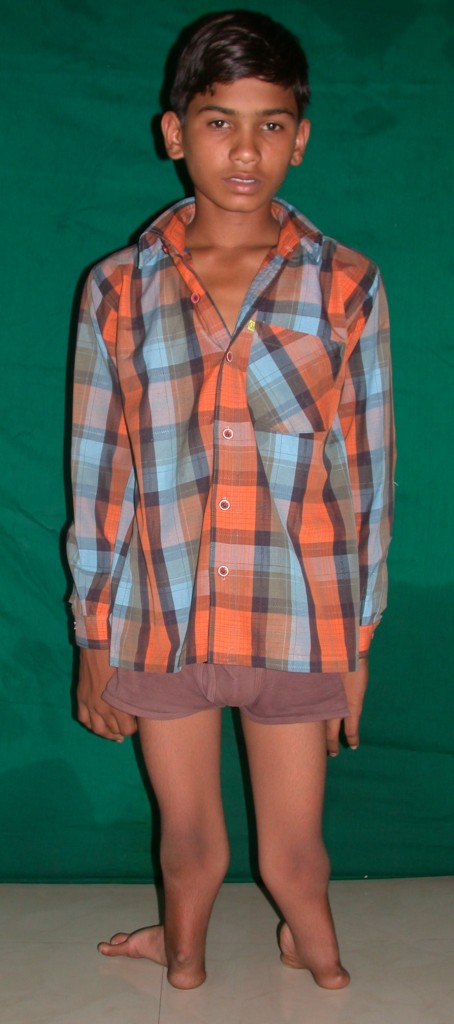
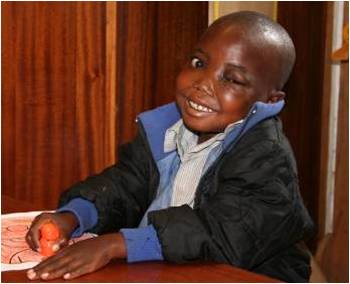
Hemimelia in a young manTea break finished, it was time to meet Alan Norrish, and his encyclopaedic knowledge of using drills on people in hot places…

Some Ugandan studies: 3% of all surgical procedures ended up with osteomyelitis, and 18% of paediatric hospital days was related to joint and bone infection.

In the developing world resources are short, so the focus goes on injuries with blood and bones all over the place, rather than long standing musculoskeletal problems that cause a lot of morbidity.

Often there is not enough time or money to operate, but sometimes Alan has found this website rather helpful for giving patients helpful exercises.

Childhood limb specific disorders

Failure of formation

Hemimelia (picture above right) is missing bones or parts of bones:

  • Missing fibula
  • Missing tibia (autosomnal dominant)
  • Missing radius (causes clubbed hand)
  • Missing fingers (claw hand)

Failure of separation

  • Most common is syndactyly of the fingers and toes.
  • Can be simple with bones separate, or complex with bones combined.

Duplication

  • Normally extra fingers and toes.

Amniotic constriction bands

  • Need removing before the child grows, as get tighter

Undergrowth of bones

  • Shortened femur.

Systemic Congenital Conditions

  • Osteogenesis imperfecta
  • Fibrodysplasia ossificans progressivica.
  • Cerebral palsy

Common problems

Two clubfeet

Some people spend all their money trying to find a resolution to a long term problem, and sometimes the best you can do is tell them there is no cure, and then they can spend the money on useful things for their life.

Club feet:

  • Common in developing world – 1:1000 births.
  • Use serial casting in under 3 years
  • 3 years to 8 year, needs soft tissue surgery
  • 8 years olds onwards need bone surgery.

Osteomyelitis:

  • Acute, treatable with antibiotics
  • Chronic, will need bone debridement, very difficult to cure.

TB of bones and joints:

  • Often present without pulmonary TB.
  • Triple therapy is treatment.

Burns & bites:

  • Elevate limb and splint joints in functional position.
  • The skin can cause a contracture of scar tissue that needs cutting, or serial casting to prevent it limited movement.

Neck injuries:

  1. Go and hold the neck. It will increase awareness of the neck to other staff.
  2. Rigid collar.
  3. Log rolls for moving patient.
  4. If facet joint dislocation, you can perform head traction!

Burns

Rule of 9s for calculating burnsIt turns out that I am not very good a paying attention to lectures for 8 days in a row. Eyes practically closed, I grab a coffee with ten sugars in time for the final talk of the morning with Sarah Tucker…

Our three key aims with treating burns in a resource poor setting are survival, prevention of disability and effective use of resources.

We did an audit in Nepal that showed that in six years, no one had survived 40% burns on our burn unit.

Painful as it is to say, this means that it was unlikely to be worth the heavy investment in resources treating people with this level of fatal wound. Burns patients die from injection – sadly we had to make the decision to treat anyone with more than 60% palliatively.

Severity of Burns

To assess percentage coverage, we use the rule of 9s – click the image on the right for more information.

The best way of finding out depth of a burn is to see how quickly it heals. Anything that heals in less than 2 weeks is superficial, longer is deep.

Treating Burns

You need to perform escarotomies if any circumferential full thickness burns to the limbs, chest or neck, to prevent contractures.

The burn needs to be scrubbed clean, especially if any foreign bodies or chemicals. The burn will need to be scrubbed every few days, this removes dead skin, leaving healthy tissue.

The Ideal Burns Dressing

My pet hate is people arriving from the West with boxes of dressings, that everyone leaps on, gets very excited about, and then runs out. Much better to teach everyone to make local solutions that work well.

  • Clean
  • Available and sustainable
  • Cheap
  • Non adherent
  • Reduced need for analgesia
  • Reduced need for changing
  • Antiseptic

We started to use banana leaves for burns dressings. They can be autoclaved, boiled and sterilised. They are non adherent. They work better than silicone dressings.

I showed the banana leave dressings to our nurses, then went away for two weeks. When I came back, they had visited all the trees in the area, autoclaved leaves and filled the fridge with them of their own volition – that’s how noticeable a difference they made to the nurses.

The Edinburgh Position

Preventing contractures.

If burns are across joints, and the joint is held out straight, inflammation, then scar tissue will cause contractures, which will cause functional problems in future.

There are some finer points, but generally the Edinburgh position (on the right) will prevent the hand losing functionality.

If there are burns on the inside of the hand, you will need to release the splint at night, or splint it straight at night to prevent this.

Practical Skills Workshop

The afternoon was an exciting blend of Plaster of Paris, Disolocations and traction, Skin grafting and Physio sessions. Afraid there’s not much I can say about them – you had to be there! Since you weren’t, you did miss me accidentally removing the skin on my knuckle whilst practicing taking a skin draft on an orange.

Day Seven: Surgery

The following is part of a series of posts about the Developing Health Course 2012 run by CMF.

After a glorious day off, where I mostly read books and used a petrol strimmer to utterly destroy a number of stinging nettles, I returned to the lovely Oak Hill College for the start of week two…

Anaesthetics

Elephant anaesthesia

Our first talk today was from Hilary Edgcombe, who started with photos of an elephant and a boa constrictor under anaesthetic, which was cool.

Anaesthesia is the absense of sensation: so this includes local and general anaesthesia.

General perspective on world anaesthesia:

  • Good anaesthesia is
  • Safe
  • Comfortable for the paatient
  • Comfortable for the surgeon
  • Preferably simple, economical and fast

11% of world’s disability-adjusted life years are lost due to conditions amenable to surgery. Safe anaesthesia is necessary for surgical care.

Safe anaesthesia is not available worldwide:

  • In the UK, anaesthesia related mortality is 1 per 185000
  • Malawi central hospital: 1 per 504
  • Togo teaching hospital 1 per 133
  • South Africa: 1 in 4 maternal deaths anaesthesia related: 90% avoidable

Key causes of anaesthesia related mortality:

  • Airway failure
  • Aspiration (getting stuff in the lungs, leading to pneumonia or pneumonitis).
  • Hypotension
  • Regional anaesthesia failur (high spinal)
Of 41 anaesthetic clinical officers in Malawi, 5 had seen a failed intubation. 2 had seen a case of pulmonary aspiration. 9 had seen a case of high spinal (requiring intubation)… in the preceding week!

A lot of this is due to lack of equipment – in one study in Uganda, only 23% hospitals had enough equipment to safely anaesthetise an adult, 12% enough to manage a child and 6% enough to do a C-section.

Golden rules for Anaesthesia

  1. Pre-assess your patient: to optimise their condition, to make a sensible plan, explain/allay fears/concerns.
  2. Know your equipment.
  3. Work out what you expect to happen when:
    your anaesthetic,
    encounters your patient,
    with their surgical problem,
    and their other comorbidities
  4. Do a bit of catastrophising: formulate plan B, plan C.
  5. Monitor your patient: ideally HR, BP, pulse oximetry, and end tidal CO2. Worst case, make sure you are looking at and feeling the patient.
  6. Remember recovery.
  7. Don’t get into trouble you can’t get out of: if you think the airway will be difficult, don’t stop the patient breathing, etc.

Pulse Oximetry

Hilary then showed us a video about an exciting push to get pulse oximetry machines worldwide:

[iframe width=”640″ height=”360″ src=”http://www.youtube.com/embed/iKEJJGxZA3g”]

Oxygen sources and delivery

For the sick patient (who needs more oxygen or who can’t get it to their cells effectively), or for some anaesthetic techniques, oxygen is helpful. It can be difficult getting hold of O2 in the developing world for logistical reasons.

She shared a story of a patient who died due to the oxygen cylinders being full of NO2, and another of a paedriatic ward that had a 2,000 litre cylinder that they used with neonates with no pressure control, so the babies were practically being inflated by the force of gas…

Pipes:

  • Lucky you!

Cylinders:

  • Money – expensive
  • Logistics
  • Safety – have they been maintained?
  • Safety – which gas?
  • Safety – what pressure?
  • Safety – traumatic injury?
  • Duration

Concentrators:

  • Need a power supply.
  • Reliable if maintained and cost effective.
  • WHO standard: operate up to 40 degrees, in 100% relative humidity with unstable mains voltage and dusty environments. Passing military shock, vibration and corrosion tests. Should be supplied with 2 years of spare parts.
  • Can supply 90-95% oxygen.

Ketamine

Ketamine is a super drug, its a hypnotic, analgesic, amnesic. It is not a muscle relaxant. It has some weird effects, since it can lead to patients have their eyes open throughout, and causes emergence delirium (the reason we don’t use it in UK).

Other key points, some positive, some negative:

  • Tend not to end up hypotensive – slight rise in BP, HR and RR.
  • Patients tend to maintain their own airways.
  • Probably the least dangerous anaesthetic to use.
  • Can cause laryngospasm due to hypersalivation, but less commonly than thiopentone.
  • Can cross the placenta, giving you a spaced out baby.

Key Ketamine Safety Points

  1. Hypersalivation may be minimised with premed atropine 20mcg/kg
  2. On take excitement and post-op delirium may be minimised with benzodiazepine co-medication
  3. Remember ketamine can cause apnoea if giving fast IV.
  4. Avoid in patients with closed head injury, penetrating eye injury, and in whome cardiovascular stimulation would be harmful.

An introduction to spinal anaesthesia.

Spinal anaesthesiaA local anaesthetic block of all the nerve exiting the spinal cord below a particular level. Low risk – but not “no risk”.

In an adult, the spinal cord ends around L1/L2, so going in below that, you are unlikely to hit the spinal cord.

There are two types of any spinal drug. Normal, and heavy – the normal types are roughly the same weight as CSF. The heavy types are mixed with glucose, and obey gravity going low. However, due to the lumber lordosis, if you give someone a heavy drug and lay them down immediately, the agent can pool in the thoracic region – see diagram on right.

Common local anaesthetics: lidocaine, bupivacaine, tetracaine. Need to know relative baricity and appropriate doses for the drug. Exclude preservatives: since they can cause neurotoxicity.

In the West, we tend to give some opiates with the spinal, but this is not something generally done in the developing world.

Problems with Spinals:

Immediate

  • Block doesn’t work.
  • High spinal (cardiovascular compromise)
  • Very high spinal (cardiovascular & respiratory compromise)
  • Total spinal (cardiovascular, respiratory and CNS compromise)

Early

  • Headache

Late

  • Haematoma
  • Infection
  • Ongoing nerve damage

Contraindications

  • Inadequate facilities –
  • Patient refusal
  • Raised ICP
  • Sepsis at site, or systemic sepsis.
  • Abnormal clotting
  • Anatomical deformity

You need:

  1. IV access and fluids
  2. Some sort of vasopressor and atropine
  3. Someone to monitor the patient
  4. Resuscitation equipment
  5. Position the patient well, and use aseptic technique
  6. To look for delayed hypotension

There is a free Developing Anaesthesia Textbook available at www.developinganaesthesia.org

Surgery for the non-surgeon

Intra abdominal surgeryJohn Rennie and Colin Binks shared the next talks about surgical matters. They both apologised for the dwindling capacities of their ageing neurones, but assured us that with enough prompting they would be able to recall the more important arteries, etc.

“You must take your bible, your toothbrush, your anti-malarials and the Textbook of Primary Surgery. It’s brilliant, full of pictures, and perfect for those of you who are far more comfortable cutting sausages than cranial burr holes”.

Acute abdomen

Does my patient need surgery NOW?

  • Bleeding (immediately)
  • Strangulated bowel (need to stabilise patient first).
  • Peritonitis – perforation, pus (need to stabilise patient first).

Does my patient need surgery at some time?

  • Think: what resuscitation or other treatment is needed whilst observing?
  • Can I do the surgery?
  • Action: Active observation/resuscitation/refer.

Does my patient definitely not need surgery?

  • Respiratory problems – basal pneumonia
  • Gut problems – gastroenteritis or ileus
  • General illness – diabetes, viral infections, uraemia, sickle-cell crisis
  • “Surgical” – cholelithiasis, pancreatitis
  • Gynae – ovulation pain, salpingitis
  • Nerve pain – herpes zoster

Fluid Resuscitation

  • Clinical assessment: if a little dry, potentially 5% dehydration, with very shut down, sunken cheeks, 10%.
  • Deficit (ml) = % dehydration x Wt (kg) x 10
  • This is 7000 ml for 10% dehydration in 70 kg adult and 1000 ml in a 10 kg child.
  • Use N-saline or Ringer’s lactate for deficit
  • Resuscitation for fluid deficit will normally take 3-5 hours to optimise patient’s condition.
  • Patients with active bleeding need surgery as soon as possible.

How to find a perforation in the developing world…

  • CT scan – unavailable
  • Bowel sounds – unreliable
  • Rebound tenderness – unreliable
  • Loss of liver dullness – a valuable, underused resource. Air in abdomen will reduce dullness on percussion.

In Uganda, there are currently 27 surgeons for 10 million people. Last year in Ethiopia, there was only one new surgical graduate in the whole country.

Differential for Acute Abdomen

Abdominal differential

How to Operate for Dummies (AKA Medics)

  1. Get a nice sharp knife.
  2. Cut through the midline.
  3. Go through the fat.
  4. Carefully cut through the rectus sheath.
  5. Cut through the peritoneum, hold it aside from some clips.
  6. There will be a big woosh of horrible contents, if there has been a perforation.
  7. If there is bowel contents in there, use some sterile water to wash it out. If you haven’t got that, tap water is an awful lot cleaner than what is already in there.
  8. Find the hole in the bowel.
  9. Gentle drag the omentum over the hole, and put some big loose stitches around it.
  10. Leave a drain in the abdomen, through a separate hole.
  11. Using some strong nylon, take all the layers together and close in a mass closure technique. If you have no strong thread, buy some fishing line and sterilise it.
  12. Put some loose sutures in the skin, closing it properly a few days later.
  13. Fill them with antibiotics.
“You can do good surgery without electricity, although it is rather nice to have a lightbulb…”

Popping in a chest drain

  1. Spencer Wells forcepsUse clinical signs to ascertain which side.
  2. Use some local anaesthetic all the way through – which then tells you that you are in the right place.
  3. Wait several minutes
  4. 5th intercostal space, mid-axillary line.
  5. Go just above the rib – because the vessels hang underneath the ribs.
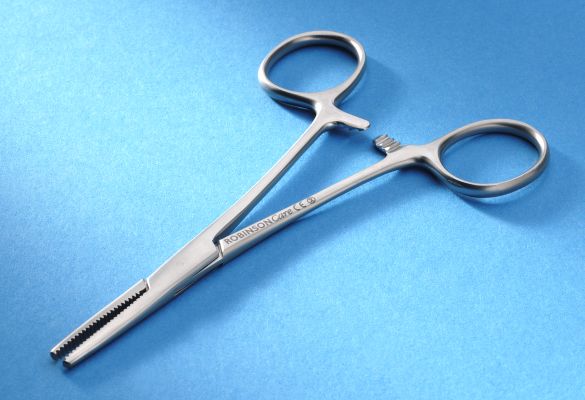
  6. Make a small cut with a scalpel, then push through a Spencer Wells (see right).
  7. You will go through skin, then fat, then pleural.
  8. Open the forceps, and pop your tube through the gap.
  9. There will be pus, fluid or air that comes out.
  10. Put the other end of the tube under a water seal.
  11. Keep the underwater seal lower than the patient.

Suprapubic catheter

  1. Needs a full bladder, dull on percussion.
  2. Find the point an inch or so above the pubic tubercle, in the midline.
  3. Pop in lots of local anaesthetic.
  4. Make a small vertical incision – just 2 inches high – but add another inch for each depth of fat in obese people.
  5. Dissect down through the fat to the lineo alba – a white line down the midline.
  6. Carefully slice this in half, then hold the two sides apart.
  7. If there is any gut in the way, push it aside.
  8. Make a very small cut, and pop a Foley Catheter through the wall of the bladder.
  9. Stitch it in place.

Ascitic tap

  1. Lay patient on side.
  2. Measure 5 or 6 inches from the midline laterally, avoiding rectus sheath.
  3. Pop it in.

Practical Sessions

After lunch, we had an afternoon of practical workshops with the team from this morning. My spinal actually worked!

Performing a spinal

We had a practice at both upright and lateral spinals on some models. Rarely, I didn’t hit spinous processes, and got loads of juice out, and popped some in! Good times…

Wound management

  • Diagram of when to use primary suturesWash out the joint, especially if there is debris in the wound.
  • Deal with it within 6 hours, to prevent infection.
  • Use anaesthesia.
  • Examine blood supply, nerves, tendons, other structures.
  • Bone chips should be removed from trauma wounds.
  • Tendons and nerves should be tied end to end with silk stitches, and keep the wound moist.
  • Give tetanus prophylaxis.

You would often not stitch the wound after you have debrided it, since you need to allow muck to escape. Different areas of the body will have different rules: click picture on right for more details.

  • Primary Suture – immediate closing
  • Delayed Primary Suture – delayed closing after 3-5 days.
  • Secondary Closure – often for older wounds that have began to heal themselves through granulation, and may need skin grafting.

There was also a fantastic Dentistry Basics session, which involved pulling teeth from a pig and a Suturing Basics session. By the end of the day, I was definitely very ready for a curry. Which was lucky, since I was about to go to the East End for one.

Day Six: Aspects of mission work

The following is part of a series of posts about the Developing Health Course 2012 run by CMF.

I cycled today! 14 miles on my dad’s mountain bike. Excellent practice for a potential 26 mile cycle to Skegness on my next rotation. I decided that this exertion deserved a reward with a croissant, before the morning session began…

Caring for the carers

Not Supposed To Feel Like This book coverMary Hopper has lived and worked in Rhodesia/Zimbabwe and South Africa for many years, and also runs a counselling and trauma workshop for those working in resource poor settings.

Elijah was afraid and ran for his life. When he came to Beersheba in Judah, he left his servant there, while he himself went a day’s journey into the wilderness.

He came to a broom bush, sat down under it and prayed that he might die. “I have had enough, Lord,” he said. “Take my life”.
1 Kings 19 

Following this, God strengthened Elijah, takes him to a quiet place, given a word of encouragement: and then gives him another difficult job to do.

The passage from Kings is a word to those who have grown wearing in well doing. Also a word to those who think that this will never happen to them. Huge list of people who have shown stress in history: Jeremiah, David, Charles Spurgeon, Martin Luther

Stress

Both acute and chronic stress have physiological effects. Its a common problem in the field of world mission. 20% have taken anti-depressants since becoming missionaries.

46% of missionaries suffer psychological problems (mainly depression) – their home organisations only knew of about 7.5%.

What can cause stress and burnout in resource poor settings?

  • Frustration
  • Feelings of inadequacy
  • Busyness and tiredness
  • Conflict within teams
  • Cultural differences
  • Language barriers
  • Distance from local church – no fellowship
  • Sad spouse, stuck at home
  • Personal healthcare issues

Greenhouse effect: a plant in a greenhouse in the UK won’t grow out of control. Pop it into the Congo jungle, and it will grow out of control. Social conventions in the UK can reign back behaviours: drinking too much, driving, marriage problems. etc – without that control, it can worsen abroad.

Children especially can find returning home to the very civilised culture in the UK very difficult. No one at school will understand the freedom of running around barefoot under the sun. Studies show that children struggle with moves most, especially when they have to leave friends behind.

Single women can have problems: cultural expectations are often that must be prostitutes.

Further problems

  • Questioning the meaning of life
  • Loss of purpose
  • Loss of hope
  • Changes in beliefs
  • Doubts
  • Giving up faith
  • Anger
  • Feeling far from God

“I felt as if my life had ended; I just had to do things for other people; I couldn’t do enough for them.”

It is normal to feel low/disorientated when adjusting to a new culture. People who accept this is normal, and seek support, soon start to feel normal.

What is our theology of suffering and poverty?

When surrounded by dying and suffereing, how do you respond to “How can there be a God, if all this is happening?!”

“When working in a relief programme and witnessing a lot of death, poverty and suffering, I found my spiritual beliefs gave me a lot of comfort, and helped me “lay it all to rest” in my head.”

“Are you tired? Worn out? Burned out on religion? Come to me. Get away with me and you’ll recover your life. I’ll show you how to take a real rest. Walk with me and work with me—watch how I do it. Learn the unforced rhythms of grace. I won’t lay anything heavy or ill-fitting on you. Keep company with me and you’ll learn to live freely and lightly.”
Matthew 11:28-30

Helping yourself: Prevention

  • Take a day off every week.
  • The Sabbath principle
  • Don’t overwork – do a Bible study on when Jesus said “no”, or didn’t meet needs”
  • Do things you enjoy
  • Have an attitude of gratitude

Helping yourself: Responding when you feel low

  • Allow yourself to cry or scream if you want to.
  • Write about your feelings in a journal, letter, email, blog…
  • Ask people to pray for you
  • Do things you enjoy: have a bath, go for a walk.
  • Set SMART goals: specific, measurable, achievable, relevant, time-bound.

Savour the culture!

Mary has learnt far more from the people culturally in her area than she’s ever taught them. Coming home can be difficult because we have changed. She is no longer English – she is Shonglish: Shona and English. You come back, and you bring both cultures with you. One story she told us was very revealing:

“When I first went to Rhodesia, I still liked men to allow me to walk through doors first. There was one paramedic who seemed very rude – sometimes he would push me out of the way! One day, I confronted him, ‘Why are you so rude?’.

He explained, ‘In this land, I am the man, I must be first through the door. If I am first through the door, it is me who will be shot, it is me who will be blown up by the landmine.’

This rather turned my theology of manners upside down!”

Sabbath living

It is good to try to live out a Sabbath principle, even if we can’t necessarily have a set day each week.

God has called us to be a living sacrifice, so there will be times where we do have to work very hard, at the same time there are periods where he takes us behind still waters, times to get up on the mountain out of the crowds.

God has also called us to be members of a body – teamwork is an integral part of sharing a workload, jointly serving.

Managing teams across cultures

Joyce Banda Malawi PresidentStanding barefoot in the sun for 20 minutes made me feel ready to sleep in the sun, but before that, we had Jane Bates heading up our final session for the weekend.

Cultural intelligence is a valuable skill, since our personal cultural situation so affecst the way we think, live and relate to one another. Jane shared some of the insight she has to this as a half Indian woman, raised in the UK by an English mother, and currently working in Malawi.

A simple model of different culture: our Prime Minister is the leader of our country, in Malawi, the President Joyce Banda is called the Mother of the Nation.

  • How do people greet each other?
  • How do people behave when they disagree with each other?
  • How do people behave when they disagree with you?
  • Do people publicly question/teach one another?
“A fish only discovers its need for water when it is no longer in it.”

We all have our own culture, but we may not recognise it until we are out of it.

Going beneath the surface

There are different layers of culture: “tip of the iceberg” culture is anything you can perceive with your five senses. Such as clothing, temperature, geography, smells. But its the deeper things that will affect your relationships more:

  • opinions, viewpoints & attitudes
  • philosophies & values
  • convictions
  • rules about relationships
  • attitudes to time
  • how the individual fits into society
  • role of the family
  • different role expectations
  • fear of losing face
  • attitudes to money & corruption

Case studies

What is your response, and what cultural issues may you need to consider?

You are part of a team of a team about to set out for a community visit and are waiting for team members to arrive. The last member of the team is over an hour late and gives no excuse on arrival.

  • “Initially I found this very frustrating, but as time passed, I settled into their culture and became more late myself. Important meetings, I would tell them an hour earlier than I actually wanted them there.”

As team leader your office manager is one week overdue in submitting a report for donor funds. The donors are hassling you for the report.

  • “Frustration”
  • Cultural clash from donor expectation

The hospital you work at has run out of oral liquid morphine. Last week your staff went to the pharmacy to get distilled water, and you contacted the pharmacy warning them of this impending shortage.

  • Frustration, understanding of problems with electricity.
  • Increase your stocks – create buffers.
  • Perhaps the pharmacist is not aware of pain being caused.

Overseas donors question why you have failed to extend the contacts of one of your staff members who they found ‘warm and personable’ on their recent visit.

  • Everyone can have several different faces.
  • Discussing problems, differences in living and working with people rather than seeing them on a visit.
  • Important to have knowledge local labour laws and local contracts.

A visiting foreign doctor in the department of which you are head has one month left on his contract. He disappears and emails a week later saying that he has “decided to get some experience in accident and emergency before he leaves”.

  • Considering his own advancement over his responsibilities. 
  • Need to look at the contract.
  • “?He is avoiding anyone losing face: if he came to me to ask for more experience, and I couldn’t provide it, then I’d be losing face”.

Your team refuse to go into the field unless you provide money a cold drink and a daily allowance.

  • Assess the normal amounts and behaviour.
  • Definitely provide a drink.
  • Bargain 

Patient on the ward is the wife of one of your staff team. She has tested positive for HIV but only you are aware of this result.

You get back from two weeks leave to find that only two home visits have been done instead of the usual 8-10.

You are planning to do an HIV awareness campaign in a local community. Your staff workers return from their day’s visit saying they failed to do the activity as religious leaders “refused permission”.

Your staff team are regularly seeing and treating relatives of staff with general health issues regularly during time for your palliative care clinic.

Within your team, rumours have reached you (from a senior team member) that another staff member is having a sexual relationship with one of her immediate juniors. The junior staff member is about to come up for his appraisal.

Keys for managing a team:

Lead by example

Teach forward planning

Delegate

Transparent process of recruitment and selection

Train those starting work

Fixing salaraies and offering incentives

Seek opportunities for professional development

Team building get togethers

Day Five: Paediatrics

The following is part of a series of posts about the Developing Health Course 2012 run by CMF.

This marked the first day I arrived early enough to

Introduction to Paediatrics Abroad

The first step today was a presentation from the energetic Ian Spillman, with piles of horrific statistics. Sadly, as he said, behind the statistics are real children…

We live in a world of difference. For many families, feeding is a case of “have the rains come?”. 40% of under five deaths are neonatal. If you improve sanitation, you see ~25% improved in under 5 mortality. The most common causes of death are diarrhoea, birth asphyxiation, diarrhoea and malnutrition.

In Malawi, half of all mothers have had at least one child die.

He shared a story of a 1 week old in Uganda that had been 3.5kg at birth, and 2.5kg on presentation. They waited a week, with this child vomiting every feed. The family, both parents teachers, had been to a traditional healer, instead of seeking health care support. There is a cultural problem, complicated all our medical efforts.

One UN Millennium Development goal was to see a reduction by two thirds in child mortality between 1990 – 2015. We are currently about halfway there…

Resus key practical skills

Ian then showed us clips of a video from a APLS course. Key points:

  • We saw expiratory grunts, pertussus, inspiratory stridor, don’t forget systemic causes – heart failure, acidosis, ketoacidosis.
  • With a neonate, you need to dry the baby immediately.
  • Umbilical vein catheterisation. Open it up with forceps, insert a pre-flushed saline catheter and tape in place. You can still access the umbilical vein up to around 7 days.
  • Interosseus is inserted into the tibia around 3cm below the top of the tibia, medial to the tibial tuberocity. Ideally used for resus, allowing you to gain venus access.

Care of the Newborn

The next talk was from Hannah Blencowe, speaking on neonatology in resource poor settings.

Globally around 135 million births each year, with around 57% in  health facility. The evidence is that birth in a health facility may be safer… but this isn’t really feasible in all settings.

Whilst worldwide, the under 5 mortality rate is dropping steadily, the newborn percentage of that is fairly static: we are getting better at treating the under 5s, but not neonates.

The top 3 causes of death are preterm birth complications, neonatal infection and birth asphyxia.

The majority of neonatal deaths are at home. This is due to delay in 3 areas, only one of which is medical:

  1. Delay in recognition and decision to seek care.
  2. Delay in transport to care.
  3. Delay in receiving quality care.

Resuscitation of babies

  • 136 million – normal.
  • 10 million – need rubbing and drying to stimulate breathing.
  • 6 million – needs respiratory support with bag and mask ventilation.
  • <1 million – need advanced neonatal support.

More hospitals in developing countries have neonatal resus equipment than staff trained in neonatal rescucitation. Training would save far more lives than buying new shiny machines.

Many neonates brought in have hypothermia to some degree – some studies in the developing world show a prevalence of 60-90%. Incubators are expensive and can cause infection – the best initial treatment is kangaroo care – baby skin on skin with mother, wrapped in a blanket. Using this for stable babies frees up resources for the more unwell children.

[iframe src=”http://player.vimeo.com/video/41435895″ width=”100%”]

Early and regular breastfeeding is vital. Some hospitals have closed neonatal wards that only allow mothers in every 3 hours, and if they miss their slot, they aren’t allowed in and the baby is fed with water and glucose instead: this should not be encouraged.

Hygiene is important, especially in hospital. Many washing, clean facilities, washing the patient, etc. However, cord care is valuable also, and the recommendations are changing to cord care with chlorhexidine. Remove cannula if not needed, since can be a key focus for infection.

Ideally primary care transfers and patient self referrals to hospital need to increase. However, if this happens, most developing world hospitals will struggle to cope.

Integrated Management of Child Illness & Triage

Under 5 MortalityNext up to the plate was James Bunn, teaching us about the tool of IMCI, for implementing an integrated approach in order to impact child health.

Integrated Management of Child Illness (IMCI) was started in 1997, and has 3 components :

  • To improve case management skills of health workers
  • Health care system improvements
  • To improve  family and community practices

More than 8 million children die each year from just 5 causes. Pneumonia, Diarrhoea, Measles, Malaria, Malnutrition.

Some studies now show that healthcare workers, if using a simple clinical syndromic approach to these key conditions, can provide value based care with an equal quality of care as doctor to 50% of patients – sometimes better.

A pneumonia traffic light system:

  • Normal RR – no pneumonia: simple remedies.
  • Raised respiratory rate – pneumonia: give antibiotics.
  • Subcostal indrawing – severe pneumonia: refer, admit, or give parenteral ABx.

(Inabilty to feed, stridor, convulsions, reduced conscious level, malnutrition are all red flag features too)

Whilst IMCI hasn’t been as successful as hoped, it has shown that there have been systemic changes in practice, which has improved outcomes. For example, the evidence showed that after training, staff were going back to their healthcare offices, and attempting to rectify lack of resources, diagnosing more successfully, and assessing better. This did reduce over time, but still clearly showed an improvement.

IMCI can reduce overall costs of treatment despite actually providing a more comprehensive care for the child.

One study in Pakistan, they made of doctors use an IMCI protocol, instead of providing individualised treatment to each patient. The doctors hated this: but they saw their survival rate from Pneumonia increase from 91% to 96%, whilst also seeing their ABx use drop from 52% to 19%!

In other words: you don’t need a stethoscope to diagnose pneumonia.

The problem with IMCI (and all good health care) is it needs frequent retraining. The courses take 11 days. Obviously, this is expensive and so needs.  icatt-training.org

Triage

Emergency Triage, Assessment and Triage (ETAT) is a process of triaging queues in clinics, to walk around and check for red flag signs regularly, bringing people to the front of the queue in order of priority. With small amounts of training, a low level healthcare worker can provide this service.

Case Studies of Paediatrics

After a practical session involving practising interosseus fluids, infant bag and mask and umbilical cannulation, we had some lunch, then returned for some intriguing case presentations from Ian Spillman. 

He took us through a number of conditions in children, that we never see in the West due to screening, folic acid in food, etc:

  • Dehydration
  • Imperforate Anus in Downs
  • Hydrops
  • Spina bifida
  • Gastroshisis
  • Haemorrhagic disease of the newborn
  • Albinism
  • Ilial performation in typhoid.
  • Pott’s disease
  • Cardiac Failure
  • Hypothryoidism

Beware the damage from traditional healers: some things they use cause blindness, increased infections.
Neglect causes problems, with clubbed feet, neglected osteomyelitis, non healed bones.

Seminars & Case Studies

We worked through some IMCI case studies next with Mark, and then some neonatal case studies with Hannah.

Jaundiced baby – if occurs in first 24 hours of life, always pathological. Common causes haemolysis, infection – syphillis. Treat quickly with light therapy, either phototherapy with special bulb, or put near window. Also use fluids. Aiming to prevent Kernicterus.

Floppy, apnoeic baby after a 3 day labour. ?Sepsis, ?Hypoxic damage. Check hypoglycaemic, with ABx: Pen & Gent. Replace fluids, get breast feeding as soon as possible. If starts feeding, higher survival rate.

Malnutrition

A severely wasted childAfter this, we had a final talk from Marko Kerac on Malnutrition. The AC was on full, and I had coffee, so there was at least a tiny chance I would stay awake…

Causes of Malnutrition

Over 50% of developing children are stunted, wasted or underweight. This causes cycles, since it leads to stunted adults, who have deficient babies, who becomes affected adults, who become… etc.

Being malnourished makes conditions worse, worsens mortality and morbidity. In order to prevent this from happening to your own child, you need to provide them with multivitamins along with a good diet plan.

See the picture in the IMCI template – it underpins all the child mortality..

Zinc and Vitamin A deficiency kills nearly 1 million children worldwide. Why can’t we resolve this?

Levels and types of Malnutrition

An upper arm circumference (MUAC) of less than 11cm in a 6 month to 5 years child implies dangerously underweight.

  • Marasmus: wasting malnutrition. Generally wasted, thin arms (MUAC), thin face, “old man”, ribs visible, sunken eyes, lack of skin turgor.
  • Kwashiorkor: oedematous malnutrition. Bilateral pitting oedema, englarged liver, angular chelitis.

Remember the Car

The basic of therapeutic supplementation is to remember a car. If your car is stuck, you can’t just start at 60 and drive off – you need to work up the gears.

In someone chronically malnourished, all their body systems have slowed down: low stroke volume, low renal function, low gastric motility, etc. You need to start feeding them very slowly, or the car will stall, eg. the patient will become overloaded. Their appetitie will slowly return, and this is helpful: it is a good sign that their other body systems are catching up: so you can rev the engine!

Start with an inpatient stabilization, followed by outpatient therapeutic feeds, then outpatient supplementary feeds, as the car becomes able to drive itself.

Community treatment

Mum’s prefer community based approach, takes the workload away from the ward. Some places have managed to make an locally sourced peanut butter based ready to eat nutrition.

UNICEF can help provide ready to eat nutritional supplementation. The Emergency Nutrition Network is an excellent resource to use to ask questions.

It’s all very well worrying about breast feeding passing on HIV. But what’s the point in being HIV free if you are dead?

Important to breast feed babies – dying from malnourishment is not a successful outcome – HIV Free Survival, not just HIV Free.

Day Four: HIV/AIDS

The following is part of a series of posts about the Developing Health Course 2012 run by CMF.

Whilst I drove to Oak Hill College, I listened to Radio 4, with a very relevant Thought for the Day, that I’ve completely forgotten. If I get an opportunity, I will look it up. I then drank lots of apple juice, then sat in the lecture hall…

The Global Picture of HIV

Gisela Schneider opened the day on HIV. She told us two stories, one of a bishop at a national conference, washing the feet of those with HIV, and another, of a pastor apologising, in tears, to a woman who said how she has been unable to speak publically about her HIV status. The pastor apologised, because Christians too easily judge it as a moral problem, and forget that there are people in the midst of it who simply need the love of Christ.

When she first worked in Gambia in the 80s, HIV arrived, but it was simply referred to as “the disease”. No-one would talk about it, no one would accept it, and it was simply hoped that the patients would die and take away the shame from the family. The Lancet article in 1985 was the first to describe a hetrosexual disease spread by sexual contact. At that time, patients simply died.

We have seen a wonderful precedent in the speed that civil society identified that ARVs needed to be patent free. If left to pharmacutical industry, ARVs would not be patent free until 2016 – whereas since 2000 we have actually had more than 6 million people started on treatment.

We asked our clinic users what they wished to be called by us. They did not want to be “patients”, or “clients”. They said “Call us friends”. We must be in a partnership to defeat HIV.

In global politics, HIV is beginning to be seen as a resolved problem: governments are starting to reduce funding, public interest is waning: new causes such as global warming are taking a place on the global agenda. We must fight to keep a public interest alive in HIV. If not, funding will be cut, patients will not recieve medications, and a treatment resistant form of the disease will spread, unopposed.

There have been some successes – 20% reduction in HIV Transmission from 2006-2011. The numbers of infected people are stablising, but there are still 7,000 new infections a day worldwide.

Some examples, of the varying leading risks for infection.

  • Lesotho – stable heterosexual couples
  • Kenya – multiple partners
  • Benin – sex workers

In Lesotho, being married is the best indicator of risk for HIV infection!

Africa is ahead of the game. In places such as India and the rest of Asia, there are some shocking statistics – in Lahore, 82% of sex workers did not think they were at risk of HIV infection.

History of HIV

  • 1981: First AIDS case reports
  • 1984: First HIV tests
  • 1990: First HAARTs
  • During 80s & early 90s: the focus was on Prevention. Scaring patients, increasing awareness. This wasn’t terribly effective. Spending on AIDS globally was around 200 million.
  • Late 90s & 00s: we began aiming for Universal Access, with a political backing. The key change was DOHA, which created a mechanism to allow WTO members to issue compulsory licences to export generic versions of patented medicines to countries with poor. Spending on AIDS globally is now around 20 billion.

One downside is that drug companies are now showing hesitancy to invest in HIV treatments due to the risk they will have their drugs stolen as generic drugs, and make no money.

Discussion: What are the main challenges in HIV today?

  1. Western economic crisis, increasing instablity in Africa leads to programmes falling apart.
  2. Primary Care settings, often the drugs are not available.
  3. Some places, such as PNG, are way behind the curve.
  4. Sustaining the enthusiasm politically and locally.
  5. Treatment has meant that people are less scared of the disease, and more complacent.
  6. Stigma is still a huge problem.
  7. Cultural norms, gender inequalities.

Stigma is worldwide. In Germany in 2012, a lady from Togo with HIV and Cervical cancer, wasn’t being treated for the cancer, because the Gynacologists were scared to operate due to the virus.

The New Approach – SAVE

Safe practices – ABC, Circumcision, Safe infections, etc.
Access to treatment – Reduction in Viral load reduces transmission, PMTCT, etc.
Voluntary counselling and testing – Stigma free counselling, etc.
Empowerment of children, women and youth – families, communities, leadership, PLWHA, etc.

“The greatest good you can do for another is not just to share your riches, but to reveal to them their own.”
Benjamin Disraeli

HIV Basics

A tea break, before she sent all the experts out, leaving just the idiots like me who don’t know anything about HIV…

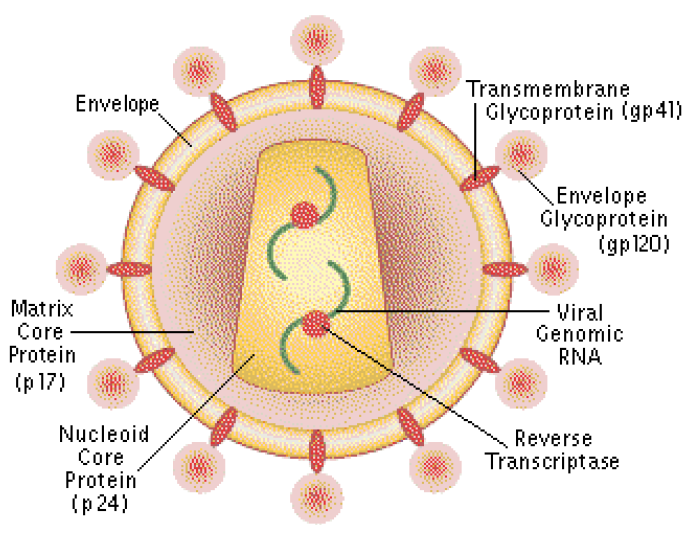
Picture of HIV VirusThere are a number of different viruses involved, HIV1 M, HIV N, HIV O, HIV 2. The process of CD4 infection is through CD4 attachment, then Co-receptor binding with gp120 joining to surface proteins, with gp41 joining to CCR5 receptors in the cell wall, allowing the RNA inside to be released into the cell.

Once inside the cell, the RNA is integrated into the DNA of the cell, creating provirus. This process takes several days. This is the point at which lifelong infection begins. Once the RNA is integrated into one cell, the virus (currently) cannot be eradicated from the body.

The initial stage, of introduction of RNA to the cell takes around 2 hours – some preventative drugs work on this process – which is why post exposure prophylaxis ideally needs to happen within 2 hours.

HIV timecourse graphOnce CD4 cells are infected, they become disorganised. They are still there, but they can no longer react to immune problems correctly. Over the next 12 weeks, the virus is replicated, sometimes causing an acute viral “conversion” syndrome – click the graph on the right for a larger version. There is an excellent explanation of this process that Gisela mentions in her slides at The Naked Scientist.

Testing is a key area of discussion, with the basics of 5Cs – Consent, Confidentiality, Counselling, Correct testing, Linked to Care.

Telling a patient they have HIV is so life changing, so painful, that you should not test patients if you cannot provide them with this fivefold support.

After infection, progression to an AIDS syndrome can take <5 years (10-20%), 7 years (60-70%),  >10-15 years (5-10%). Less than 1% do not progress.

WHO staging

She advised us to print this list, and laminate it. We won’t be able to remember it, but we can refer to it as we see patients.

Stage I

Asymptomatic

Stage II 

  • Moderate weight loss (<10%)
  • Recurrent respiratory infections (sinusitis, bronchitis, otitis media etc)
  • Herpes Zoster
  • Angular cheilitis, oral ulcers and sores
  • Papular pruritic eruptions (PPE)
  • Seborrhoeic dermatitis
  • Fungal infections of nails

Stage III

  • Unexplained weight loss >10%
  • Unexplained chronic diarrhoea > 1 month
  • Unexplained persistent fever > 1 month
  • Persistent oral candidiasis
  • Oral hairy leukoplakia
  • Pulmonary tuberculosis
  • Severe bacterial infections (e.g. pneumonia, empyema, meningitis, pyomyositis etc)
  • Acute necrotizing ulcerative stomatitis, gingivitis or periodontitis
  • Unexplained anaemia (<8g/dl), neutropaenia (<0.5 x 10⁹/l), thrombocytopaenia (<50 x 109/l)

Stage IV

  • HIV wasting syndrome
  • Pneumocystis pneumonia (PCP)
  • Recurrent severe bacterial pneumonia
  • Chronic herpes simplex infection (> 1 month)
  • Oesophageal candidiasis
  • Extrapulmonary tuberculosis
  • Kaposi’s sarcoma
  • Cytomegalovirus infection (retinitis or other organ)
  • Central nervous system toxoplasmosis
  • HIV encephalopathy
  • Extrapulmonary cryptococcosis
  • Disseminated non-tuberculous mycobacterial infection

Case studies of HIV

Gisela then walked us through some case studies, through common presentations of ?HIV patients. Opportunistic infections – important markers for clinical stages. Need to be treated before initiating ART:

Fever of unknown origin – commonly due to TB, Malaria, PCP, Cyptococcus, Toxoplasmosis.

Focal neurological lesions – commonly due to Toxoplasmosis, Tuberculoma, Primary CNS lymphoma, Brain abscess, Stroke.

Diarrhoea – less common now in areas with high ARV treatment, but in ARV naive areas, commonly due to Cryptosporidium, Microspora, Cyclospora, Isospora.

Basic preventative therapy:

Good studies showing that provision of the following can make a difference – but the community needs to be involved, as had been said all week. Go to a village, given them nets, they won’t use them. Work with a village, if they ask for help, then it becomes part of the village culture.

  • CtX prophylaxis.
  • Malaria protection (ITN).
  • Clean water supply.
  • Condoms.
  • Nutritional support.

Anti Retrovirals Therapy

ART therapyA 5 minute break during which people laughed on hearing that the BMA just passed a motion calling for Andrew Lansley to resign. Then back to ART…

Nucleoside Reverse Transcriptase inhibitors (NRTI)

  • Backbone of therapy.
  • Side effects of Anaemia (AZT), Polyneuropathy(D-drugs), lipatrophy, lactic acidosis.

Non Nucleoside Reverse Transciptase inhibitors (NNRTI)

  • NVP – Can cause hypersensitivity, lead in. Hepatotoxic
  • Efavirenz – Teratogenic.

Protease Inhibitors

  • 2nd line treatment (but first for HIV 2). More expensive but effective.
  • Difficult to take due to side effects – Diarrhoea bad. Also cause hypergylcaemia and hyperlipidaemia, long term cardiac risk.

Combination Therapy

  • Generally two types, combined. Commonly 2 NRTI + 1 NNRTI. Sometimes 2 NTRI + PI.
  • Important to avoid some combinations due to side effects.

Response to ART

Threefold improvements:

  1. Virological – Ideally level falling to an undetectable viral load.
  2. Immunological – Rise in CD4 count, around 10/month.
  3. Clinical – Weight gain, Disappearance of symptoms.

Highest risk of ART toxicity will be in the first 1-3 weeks. After this, the next few months 16% of patients in stage 4 starting ART will respond with an IRIS (Immune Reconstitution reaction). Common cause is CMV, TB or cryptococcal disease. Highest risk of death in in the first 3 months, worsened risk by low CD4 count – can be avoided if we start treatment early!

Treatment Failure

Clinical treatment failure: a new or recurrent stage IV event.
Immunological treatment failure: fall of CD4 to baseline. 50% fall from peak. Persistent low levels of CD4.
Virological treatment failure: viral load > 5000 copies.

ART Counselling

Counselling is one of the most important factors in useful ART treatment. You need cultural sensitivity, there must be understanding, real communication and community support. Indigenous health workers are the most effective at this, so they can be the best contributors to good compliance.

HIV in Pregnancy and Childhood

Lots of Quorn sausages later, I walked through the gardens barefoot in the 27 degree heat, chatting about Somalia with a fellow CMFer, and wishing that there was ice-creams. Then we returned to the expert world of Gisela…

“No child should be born with HIV, no child should be orphaned from HIV, no child should die from HIV”
11 year old HIV orphan, Ebube Taylor, speaking to a UN panel

48% of eligible adults are receiving ARTs. Only 23% of eligible children receive ART.

Seven year follow up of Gambian pregnant women living with HIV-1. Mothers who died within 7 years: 34%. HIV infected children who died 69%. Orphans who died irrespective of their HIV status. In other words: being an orphan is as bad for your mortality as being a child with HIV.

Reducing vertical transmission

HIV in Pregnancy & Childhood

20% of maternal deaths in Africa are due to HIV. Avoid this by using ART, and aiming for quick normal deliveries, avoiding instrumental delivery. Where feasible, elective CS.

Ideally start combined ART for all pregnant women, continuing for life. Some places use a single dose nevirapine to prevent mother-to-child transmission – but there is a widespread resistance to this. When mother on ART, breast is best, and relatively safe!

Mother on ART throughout pregnancy reduces transmission from 30-40% to 2%.

Childhood HIV

  • Category 1: Die within 1 year. (25%-30%)
  • Category 2: Symptoms early in life, die aged 3-5 (60%)
  • Category 3: Develop symptoms >age 8. (10-15%)

Test all children with a dried blood spot test with the first review after birth. HIV children present commonly in first year of life with PCP. Treat with high dose ABx.

Treating children is very complex. Much better to heed Ebube Taylor’s words, and prevent vertical transmission.

Palliative Care in Resource Poor Settings

Child with incurable cancerUnsurprisingly, the 27 degree heat, coupled with 5 hours of very intense discussion of medications with long names and scary side effects, I nearly fell asleep. 2 pints of coffee later, and AC turned on in the lecture theatre, I steeled myself for our final lecture from CMF’s own Vicky Lavy.

Vicky spent several years establishing and running Paediatric Palliative Care in Malawi. She then wrote a Palliative Care toolkit for use by others, and much of her teaching is from that.

A nurse we had been working with for several months said “Doctor, I do not see how this Palliative Care can work – the patients, they just keep dying!”
Caring rather than curing. A revolutionary concept to many places in the world.

Palliative care is looking after people with illnesses that cannot be cured, relieving their suffering, and helping them through difficult times. The “care” is key. As Jesus said:

“When I was sick, you looked after me”.
Matthew 25:36.

In the developing world, very often Doctors say “There is nothing we can do”. But Palliative Care never says this – no matter how small, there is always something we can do.

Counselling and psycological support is a vital part of palliative care. Often forgotten in favour of exciting discussions of oxycodone doses, but actually is probably more important. Truth is one of the most powerful medicines available to us, but we still need to develop a proper understanding of the right timing and dosage for each patient. Despite cultural differences, there are studies across the world showing that telling patients the truth has a positive medical effect.

Pain management should be done by the mouth, by the clock, by the ladder. Oral, regularly, and according to the WHO pain ladder. Codeine is very expensive, so we usually pass from Step 1 to Step 3 quite quickly.

Top tips

  1. Topical metronidazole for smelly wounds. Smelly wounds are stigmatising, but just crush metronidazole can resolve problems.
  2. Metronidazole pessary for vaginal discharge. Similar to above, with Cervical Ca
  3. Opiates for breathlessness and diarrhoea.
  4. Gentian Violet paint for candida and skin sores.
  5. Prednisolone for mouth ulcers.
  6. Franjipane juice for Herpes Zoster. Common African flower, sticky juice inside a flower.

 Taking a spiritual history

Always something that can be helpful, but a very important part of Palliative Care

  • “I ask everyone about this, as part of our routine assessment.”
  • Do you have a faith which helps you through difficult times?
  • Do you ever pray?
  • What helps you make sense of life?
  • What things are most important to you?
  • Have your thoughts about life changed since you became ill?

Day Three: Tropical Medicine

The following is part of a series of posts about the Developing Health Course 2012 run by CMF.

Almost late today, which meant we failed to do the proper British thing of sitting in the same place every day. The front row seems like a scary place, and I’m further from the toilet too. Not much I can do about that, so it’s time to pay attention. Today started with Vicky Lavy discussing how the course is acredited, and all the tiresome exciting repercussions of the new UK revalidation process. After this, it was time for…

Tuberculosis

TB Xray - notice the cavitation on L lung.Our first talk of the day was by John Day, who spoke yesterday. By telling us that between a third and half of the world’s population have been infected with TB, he warned us that it was likely to be relevant to all of us, regardless of where we are working in the world.

Fuelled by the HIV epidemic, disproportionately affecting the poor, disenfranchised, and hard-to-reach group, and steadily become resistant to many ABx, TB is a unique problem. Taking 6 months of a combination antibiotic is an enormous challenge – I can appreciate this, since I have never successfully completed a 7 day course myself, generally missing out between 1 and 6 days worth.

Diagnosis of TB

A 58 year old Kenyan woman with 1 month cough, sputum, weight loss, night sweats. 1 week of pyrexia & haemoptysis. Non smoker, no previously unwell. EXAM: 55kg, pale conjunctiva, no lymphadenopathy, crackles L chest.

  • All patients with more than 3 weeks of cough should be suspected for TB.
  • All patients suspected of having pulmonary TB should submit at least two sputum specimens for microscopic examination. Needs sputum microscopy for acid-fast bacilli (AFB).
  • Chest XR would be very helpful.
  • Good records are important, since we are following up patients for at least 6 month: level of certainty of diagnosis, anatomical site, bacteriology.
  • For all previously treated patients, specimens for culture and drug sensitivity testing are needed before starting a new course.

Treatment of TB

Generally an intensive phase of HRZE (Isoniazid, Rifampicin, Pyramidizine, Ethambutol) lasting two months, followed by a continuation phase of HR for 4 months. This changes in areas of high resistance to Isoniazid, etc.

  • Isoniazid: Bacteriacidal. Quick reduction in infectivity.
    Side effects of peripheral neuropathy & hepatitis.
  • Rifampicin: Bactericidal. Effective against semi-dormant bacilli. Expensive.
    Side effects of Gastrointestinal, Hepatitis, Drug interactions (COC), Red Urine.
  • Pyrazinamide: Bactericidal. Low potency (not worth giving for more than 2 months), good at intracellular sterilisation.
    Side effects of Joint pains & Hepatitis.
  • Ethambutol: Bacteriostatic. Low potency. Well tolerated.
    Side effect of optic neuritis.

Untreated TB has a mortality rate of 60%. Treated well 90% will survive (almost all from TB, fatal hepatitis from treatment is incredibly low). Relapse rates are less than 5% with current treatment regimens.

Follow up of TB

Ideally, daily observed therapy is the best way to ensure good adherence. If unavailable, checking colour of urine is useful tool to confirm Rifampicin use.

If sputum smear +ve at diagnosis, repeat at: 2 months, 5 months (start retreating if +ve), 6 months (cured if -ve).

Group discussions

You have been asked by the National Treatment Programme of Bolivia to describe the impact of TB-associated stigma and make recommendations on how to reduce it. How will you respond?

  • Government wide programme of education, and engaging with local and community leaders.

You are the infection control committee of a 200 bed district hospital in India who have been investigating a number of recent cases of TB amongst hospital staff. What measures would you recommend to reduce nosocomial (in hospital) transmission?

  • Masks.
  • Hand washing.
  • Living arrangements.
  • Staff HIV testing.
  • Lots of little things to make a difference, through staff education.

You are a team working for the Zambian Ministry of Health, with a large aid budget to develop joint TB and HIV services. What will be your spending priorities?

  • Two vertical programmes, integrating them always causes friction.
  • Need to work with people at the top – have to get all the top people together in a room.
  • Debated whether or not the two programmes should be combined, or improved to communicate between each other better.

Malaria

Malaria life cycleAfter a cheeky biscuit break, we return to learn about Malcolm Molyneux’s endless admiration for the dashingly intrepid malarial protozoa.

A very complex diagram explaining the pathogenesis and cycle of Malarial disease was put on the screen. Malcolm proceeded to (briefly) rhapsodise about each stage. I struggled to take it all in, but I have included it on the right – click for a larger version.

The commonest cause of human malaria is P falciparum. The most reliable blood test in the developing world is a thick blood film, which is most sensitive for confirming presence of infection; thin films allow positive identification of species.

Around 0.5 to 1 million deaths from malaria each year worldwide. Around 10 deaths from malaria each year in UK.

Interestingly, in the UK, an asymptomatic phase of disease is very uncommon, since there is no innate immunity. The well documented sickle cell trait protection against malaria reduces serious disease, but doesn’t stop individuals developing symptomatic disease. Young infants are relatively protected from malaria with maternal IgG, and by presence of fetal haemoglobin.

A very worrying property of Malaria is that it can develop into severe illness very rapidly. Uncomplicated malaria is simply a febrile illness, clinically indistinguishable from other causes.

Features of severe Malaria:

  • Severe anaemia – most common in babies.
  • Encephalitis (Cerebral Malaria) – floppy, seizures, coma
  • Acidosis – heavy breathing
  • Respiratory Distress syndrome (seen in adults)
  • Acute Renal Failure (seen in adults)

Fatality rate is 10-40% – the more of these three present, the worse the prognosis. Hypogylcaemia worsens prognosis but can be treated. “Black water fever” is black urine that occurs due to haemoglobinuria, generally accompanied by renal failure.

4 Ophthalmological signs of severe Malaria (tying in nicely with yesterday’s Ophthalmology session): this is a helpful confirmation of diagnosis, rather than diagnostic in of itself.

  1. Retinal whitening
  2. Vessel changes
  3. Retinal haemorrhages
  4. Papilloedema

Treatment of Malaria

Treatment is based on your local policy of antimalarials. Generally an Artemisinin Combination Therapy (ACT), since they are faster than Chloroquinines, generally given as a dual therapy with an older remedy, to try and reduce resistance: there is none evidenced yet.

Quinine is still used widely – it is very cheap, and there is only moderate resistance. It is less effective than Artesunate, with roughly 40% higher mortality in severe Malaria, but still effective. Impregnated Bed Nets is a valuable tool in Malarial control, alongside a number of useful tools in the relevant country’s National Malaria Control Programme (if they have one).

There is an optimistic but worthwhile aim to eliminate Malaria worldwide within 40 years. 40 countries have eliminated it, but 80 remain with active transmission. e=mc2 : Elimination = Money x Commitment2

Tropical Medicine

Chancre after a bite from a Tsetse flyLunchtime came, with the chef actually making me a vegetarian option for the first time today. After this we began a futher 3.5 hour session with John & Malcolm on the entire field of Tropical Medicine.

Man aged 42 years, French professor from the DRC. Admitted to hospital with poor concentration, insomnia, emotional distress, unable to cope. Had been tortured in the Congo, escaped, spent a year living in the jungle, managed to escape to Canada.

He had a labile affect. Delusions, Auditory & visual hallucinations. Displayed minimal discomfort in describing his harrowing experiences. (unlike post traumatic stress disorder). EXAM: Hb 10.9. Diagnosed as reactive depression with psychotic features. Treated with setraline olanzapine and other drugs. Continued to deteriorate…

  • Tested for HIV, and many other infective, parasitic and neoplastic conditions.
  • Ultimate cause was trypanosomiasis.
  • Look for a chancre – see on the right – from the bite of a tsetse fly.

We covered a vast number of horrible little things, including cysticercosis, tapeworms, hydatid disease, liver flukes, roundworms, hookworm, trichuris, ascaris. I did not take notes on these, because much of it went straight in one ear and out the other. However, when I asked John, his advice was:

You need to know the common burden of disease in your area, common presentations of those parasites, and what medication is available. Ideally, you should back up all cases with a laboratory diagnosis.

Malcolm then taught us a little more on Malaria, but I’ve put this above with the rest of the Malaria teaching, to stop things getting confusing, but then moved onto another species that he holds a concerning amount of love for…

Shistosomioasis

The live in snails that live in reeds on the waters edge. If you swim at least 100 metres out, you will be okay. Probably. If you get infected, you will know, because you will get a “Swimmer’s Itch” – this is the irritation from the larvae wiggling through your skin. This itch is worse with non human shistosomes, since the larvae struggle in vain to get through the skin.

From there, they head to the lungs, to breed. You can get a bit of a cough, depending how many of them went in through your skin. They then head to the liver as they are growing. The whole wonderful journey takes several weeks.

The liver is the Gretna Green of Schistosoma. Two worms pair up, and remain extraordinarily faithful for their remaining 3 years, always by one another’s side.

They then pass eggs continuously out of your body, causing calcification in the bladder wall, and eggs in stool or urine.

Shisto disease

The great majority of adult infections are asymptomatic. But rarely, there’s an abnormality, which can cause serious problems:

  • Katayama fever – serological response to egg antigens.
  • Chronic granulomatous response to eggs:
  1. eggs in usual place, but too many – eg. hydronephrosis after obstruction in bladder, bladder cancer.
  2. eggs float to wrong destination – liver fibrosis
  3. ectopic adult worm couple, sending eggs in wrong place – eg. spine, genitalia

Prevention

Chemotherapy treatment to communities reduces disease burden. Trying to encourage behaviour to stop passing stools or urine near lakes, cutting off the cycle of eggs maturing on snails, preventing further disease.

Day Two: Medicine

The following is part of a series of posts about the Developing Health Course 2012 run by CMF.

I left a little earlier today so that I could skip the traffic. This was successful to some extent, saving me about 15 minutes. Unfortunately, failing to get a swipecard yesterday meant I spent around 15 minutes waiting outside until someone let me in. Eventually though, I managed to get a cup of coffee before the first session began…

Mental Health

Photo of Mental Health patient wearing chains.Maureen Wilkinson (who spoke yesterday) started us with another picture:  “I’d like you to come with me to the edge of the Sahara. You are visiting an old lady, in a cut, nearing the point of death. On the vast horizon, a dust cloud appears, and it become clear that its a group of Arabs on horses. The riders are wearing bright blue robes. The constrast in vitality between their life and the dying lady is vast. Africa is a land of many contrasts. 

A few hundred miles away, there is a hospital. A shiny clean new building, with new wards. It is a pleasant place to be. However, a few hundred metres away there is a shack with blacked out windows. Patients are chained to the wall and fed once a day. This is the Mental Health Unit. Africa is a land of contrasts, and few none are as stark as those between the physically and mentally ill“.

Is there any other group in history that have been so set apart, forced to live in exclusion, ostracised? Lepers. And how did Jesus deal with lepers? He touched them. We need to touch those with mental health disorders. Looking at which disorders cause lost years of life due to disability, psychiatric illness leads the pack more than threefold over the next area. It causes 15% of the global burden of disease, but gets less than 1% of health spending worldwide.

On first visiting Mission Hospitals in the 70s, Maureen would ask “How do you treat those with mental illness”. They often replied “We don’t”.

Worldwide challenges include: disruption to community, absence of social welfare net, adverse social dynamics; gender inequality, women & children vulnerability. Traditional practices can cause a problem: some hospitals have established referral pathways from traditional healers – you can’t stop people using them, but if they don’t have success, encourage them to send people to the hospital. This was tried in Malawi, which led to children with burns due to epileptic fits coming into hospitals for the first time, and numbers of burns falling… African Man Drinking Maize Beer

Drugs and alcohol are a major problem in the developing world, especially Africa. Causes chronic ill health, risk taking behaviour, spousal abuse, RTAs. Community solutions and local awareness and leadership engagement can impact this.

One great story is where a group in Uganda got together with the hospital, local leaders, government and churches, and held a large community meeting. Different people stood up, asking people to stop using cannabis, influential leaders and community members each trying to engage with the youth. Finally, the local government minister stood up and said “You must all stop using it, I believe very strongly in this!”. However, someone at the back of the crowd shouted “You! You grow this evil weed, and I know where your field is!”

Catatonic schizophrenia is much more common in developing countries, and is rarely treated in the way it needs to be – thought to be evil spirits or “madness”. Commonly seen with waxy flexability and auto-obedience. Older drugs calm down patients, but it is the newer drugs which are really effective at treating the disease. Depot preparations are often more easily usable in a developing world context. Chlorpromazine, Haloperidol and Fluphenazine are common and cheap options.

There are high levels of post-natal depression, especially if a girl is born, since cultural expectations are often for male babies. Mother-in-laws are a worldwide problem!

Depression often present with somatization. There is poor cultural awareness of mental health disorders – some languages do not even have words for depression.  It can present with total body pain, crawling over body, or other non-specific symptoms. In some countries, sadness is thought to be caused in the heart, and so presents with palpitations and abdominal pain. Once you get behind the story, you can often find common biological and cognitive symptoms of depression, that the patient might not have been aware of. Amitriptyline and Fluoxetine are good drugs to use: advise asking pharmacy if they can stock SSRIs, since they are cheap now, and safer in overdose. Remember to ask for risk of self harm/suicide, and be aware of increased risk at start of treatment as energy levels rise, but mood stays low.

Always think in consultations:

  1. Is this person physically ill?
  2. Are they under influence of drugs or alcohol?
  3. Then… could they have mental illness?

 General Medicine

PyjamasOur second morning session was a joint effort from Malcolm Molyneux & John Day. We were given case studies to read and then discuss points about medicine in resource-limited settings.

The fundamentals of clinical practice and disease are the same everywhere. Pneumonia, Hypertension, Diabetes, Gastroenteritis and many other conditions remain common. Whilst there are changes – less IHD, more HIV/AIDS, increased endemic infection, etc – the underlying science of treatment and diagnosis remains static.

Expectations of patients remain unpredictable. The man who’s life we saved, but then complained that we had lost his pajama bottoms is an example of this.

It’s important to find locally who can advise and teach you, and also nationally: maybe try to make it to a grand round one a month? Try to run a regular weekly teaching session, or join an online group. We did a straw poll amongst us: In a group of 35 doctors with an interest in developing world medicine, only two won’t have access to internet. It’s becoming a highly accessible tool worldwide. Key observations:

  1. Fundamentals of good clinical practice are the same everywhere.
  2. But there are important differences in practice.
  3. Acquire local recommendations / guidelines.
  4. Learn who can help.
  5. Devise ways to confer regularly with staff and colleagues.
  6. Maximise and appreciate what you CAN do, rather than bemoan what you can’t.
  7. Promote other cadres to do things well.
  8. Note first impressions of what’s good/bad.
  9. Re-visit your recorded first-impressions a few months later.
  10. Write: record events, ideas, progress: for publication, for your own records.

Case studies:

36 year old male in rural India. Severe breathlessness since this morning, no cough/haemoptysis. Has had increasing abdominal swelling over past 3 weeks. No vomiting. EXAM: very dyspnoeic. Chest and heart normal, Abdo: ascites ++, ?hepatic mass. No peripheral oedema.

  • TB Pericarditis – Common cause of ascites and hepatomegaly after R heart failure. Feel for pulsus paradoxis. Could be an acute presentation, even though usually chronic.
  • ?Hep B malignancy – Most cases of Hep B are caused due to transmission in infancy. Commonly leads to hepatocellular carcinoma.

40 year old mother of 6. Vomitedx3 this morning, and had one loose stool. Then began coughing and seemed breathless. 2 hours ago had a seizure, and has been restless but not responsive since then. EXAM: GCS 8/15. Making restless, purposeless movement of all limbs. BP 110/70, pulse regular 60/min, T 36C. Breathing noisily – ?secretions ++. Chest: widespread crackles.

  • Ingested toxin: organophosphates. Small pupils, floppy patient. Fasciculations. Treat with atropine.
  • ?Ingested toxin: chloroquine.
  • ?Hypo/hyperglycaemia.

49 year old policeman been more drowsy over last 24 hours. Now talking, but not sensibly, and can’t walk since this morning. He has complained frequently of headache during the past 2 weeks. EXAM: GCS 7/15. BP 140/100, pulse 56. T 53.3C. R pupil larger than left. R pupil does not constrict to light shone into either pupil. L pupil constricts to light shone into either pupil. Makes some movements of all limbs – seems to move right limbs more than left.

  • Cerebral TB.
  • ?HIV Cryptococcal/Toxoplasmosis.
  • ?Sub-dural haematoma.

General Medicine Part 2

I used the lunch break to run home and pick up my wife, who was being driven slightly mentally unwell by her entrapment in a home with a child and 3 dogs. After gulping down some creamed spinach, we started again, with a brief talk from myself about Social Media and the #cmfdevhealth hashtag, before moving on to Part 2 with Malcolm & John again.

More case studies:

66 year old former athlete complains of a couple of months of tiredness and weakness, poor appetite and some nausea. A dry cough and slight breathlessness, taking laxatives for constipation and variable left-sided chest pain. EXAM: Alert, Mucosae very pale. Mild oedema of ankles, and face looks puffy. BP 170/115, P52, R24, T34.6C

  • Renal Stones – stream positional? Common in developing countries, ideally needs ultrasound.
  • ?Shistosomiasis.

Homemade Spacer18 year old with episodes of wheezy breathlessness since aged 11. Well between episodes. This year, episodes lasting a few days have recurred 1-3x per month. Has been attending the clinic and is on Ventolin by inhaler. Despite this, has got much worse this week and now can’t go to work. EXAM: R32/min with audible wheeze, BP 105/70, P110 reg, T36. Chest: widespread wheezes only.

  • Asthma. Hugely common in third world. Poor inhaler useage. Could be living in a smoky home, workplace. Poor washing of mites. Pets, etc. Try homemade spacer with plastic bottle. Try an extra steroid inhaler. If not available, use steroid inhalers. Oral ventolin
  • ?Cardiac asthma, retained fluid during period with congenital heart defect.
  • ?Current episode worsened by TB.

A 42 year old woman with polyuria. She has been feeling icnreasingly thirsty recently, and drinks a lot. Thinks she has lost weight. EXAM: Alert. ??slightly dry. BMI 36. BP 150/95, P72, R18, T36.1. Normal physical examination.

  • Diabetes Mellitus – check a BM. Try metformin. Treat BP.
  • ?Diabetes Insipidis – any history of post partum haemorrhage, which could have infarcted the posterior pituitary?

A 19 year old woman from Yorkshire is working in Uganda and has been having joint pains. Feeling feverish for 3 days, with nausea and loss of appetite. Symmetrical pain and stiffness in wrists, arms and hands. Today has noted general itchiness, especially of palms o hands. EXAM: T38C, BP 110/68, R14, P84. No visible skin lesions. Can’t make a fist easily – slight swelling of joints in both hands. Exam otherwise NAD.

  • Hepatitis B.
  • ?Shistosomiasis. Katayama fever – takes 3-6 weeks after exposure. Check raised eosinophilia.
  • ?Reactive arthropathy to a streptococcal infection.

26 year old fisherman sent to you with progressive weakness in both legs – last 2 weeks. Also numbness in feet. UNable to pass urine, catheter inserted as bladder distended. EXAM: T36, P72, BP140/90, R23. Unable to walk, no movement in legs, with reflexes+++, Clonus++ in legs. Arms normal.

  • Endarteritis Obliterans caused by syphilis. Ridiculous.
  • ?Infarction secondary to sickle cell, vasculitis (HIV).
  • ?Shistosomiasis.
  • ?Testicular tumour metastasing.
  • ?Cord compression.
  • ?Pott disease – TB discitis – Hunchback of Notre Dame had this.

Ophthalmology

Supporative keratitisDavid Yorston gave us our final talk of the day. As ever, I was nearly asleep by this point, despite many excellent cups of tea, but bleary eyed (get it?) I turned my attention to the exciting developing world of optic disease. 

There are two main causes of visual impairment worldwide: Cataracts and Refractive error. This is good, since both of these are resolvable with surgery and glasses, respectively. There are many causes of blindness, some of which are harder to resolve, but Trachoma, Onchocerciasis and Childhood blindness are key areas of attack by the WHO’s Vision 2020 campaign. In great part thanks to Vision 2020, the worldwide picture (get it?) for eye health is improving.

In an Ophthalmology history, you will see (get it?) a few key problems:

  • My eye hurts – Acute Red Eye, Trauma
  • I can’t see – Gradual loss of vision, Sudden loss of vision.
  • I can’t read – Presbyopia.

Acute Red Eye:

David talked about some key red eye conditions. One that stayed with me was Supporative Keratitis, which has a very scary pus line in the anterior chamber (see picture on right), and is the treated by intensive hourly topical antibiotics – no point in giving systemic, has to be given onto the eye.

Acute iritis is almost always idiopathic. Meaning the doctor is an idiot, and the explanation is pathetic.

Trachoma is an eye infection from Chlamydia trachomatis. It used to be a minor cause of blindness in the UK, but was eradicated when we started to wash our faces. You treat it with oral azythromycin. In many developing countries, trials of prophylactic ABx to children are used if prevalence is above 10%. The key is to encourage people to maintain basic facial hygeine.

Ophthalmology neonatorum is the eye infection caused by a mother having gonnococcus, causing pus in the eyes in newborn children. Needs urgent topical antiobitics, otherwise it can cause blindness.

Corneal ulcer – stain all red eyes with fluoroscene – commonly caused by trauma, but the scary causes are generally infection, which will need treatment with antibiotics.

Cannot See:

Blindness is a major cause of morbidity, impacting wealth, health and social circumstances. There is real evidence that Cataract surgery cures poverty. Below are some key preventable/treatable problems.

  • Refractive error – Corrected by pinhole.
  • Cataract – Helped by pinhole, cloudy pupil, reduced red reflex.
  • Glaucoma – Not helped by pinhole, sluggish pupil.
  • Corneal scar – Visible corneal opacity.
  • Diabetes – Diabetic retinal changes, neovascularisation, flame haemorrhages.

A Final Thought:

“He will do even greater things than these, because I am going to the Father.”
John 14:12

This verse has always been a big inspiration to David. Jesus healed many blind people in the gospels, but there are only a handful of documented cases. Through CBM, they are doing nearly half a million cataract operations a year: following in His steps we really are starting to do greater things…