
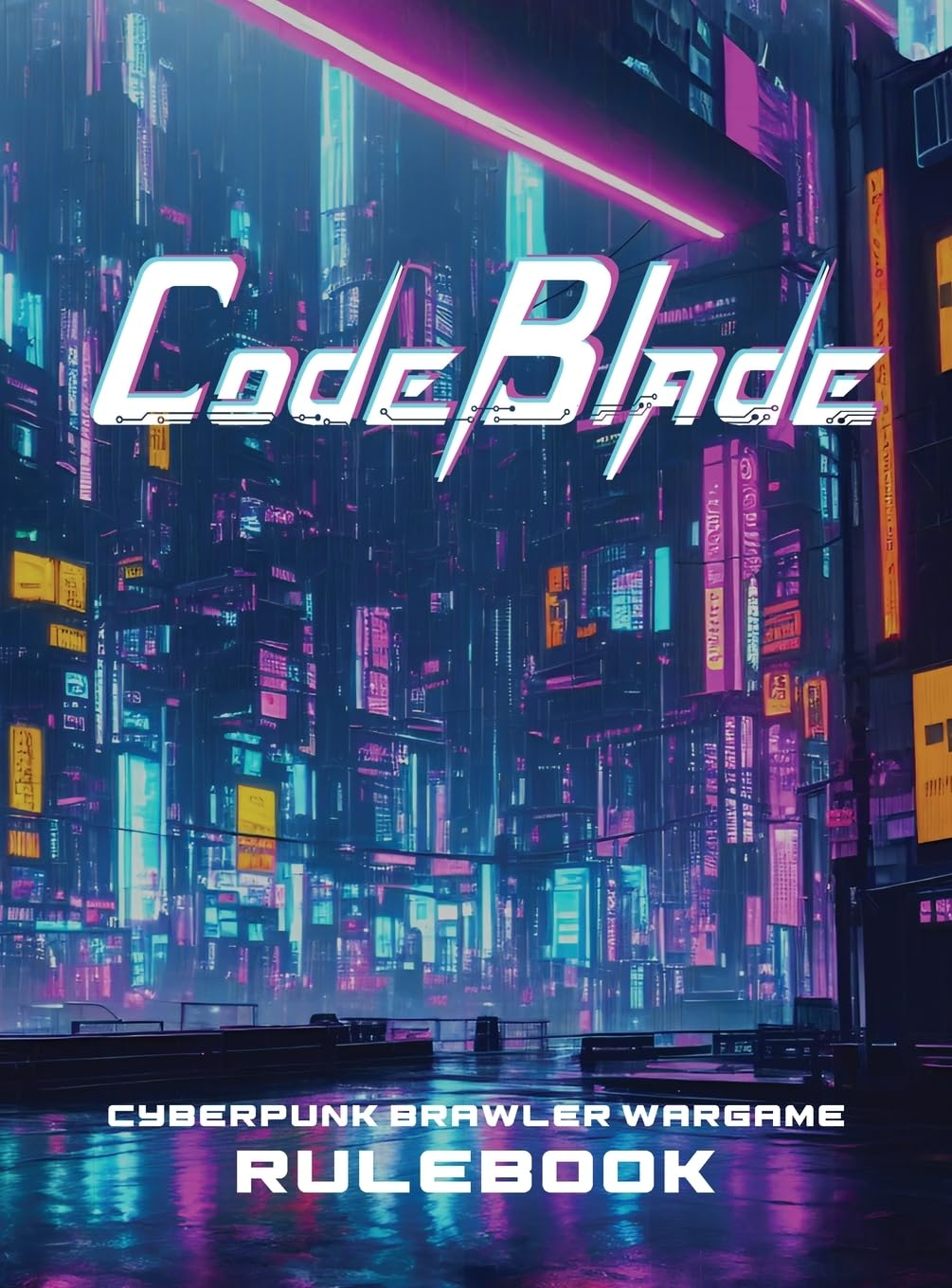
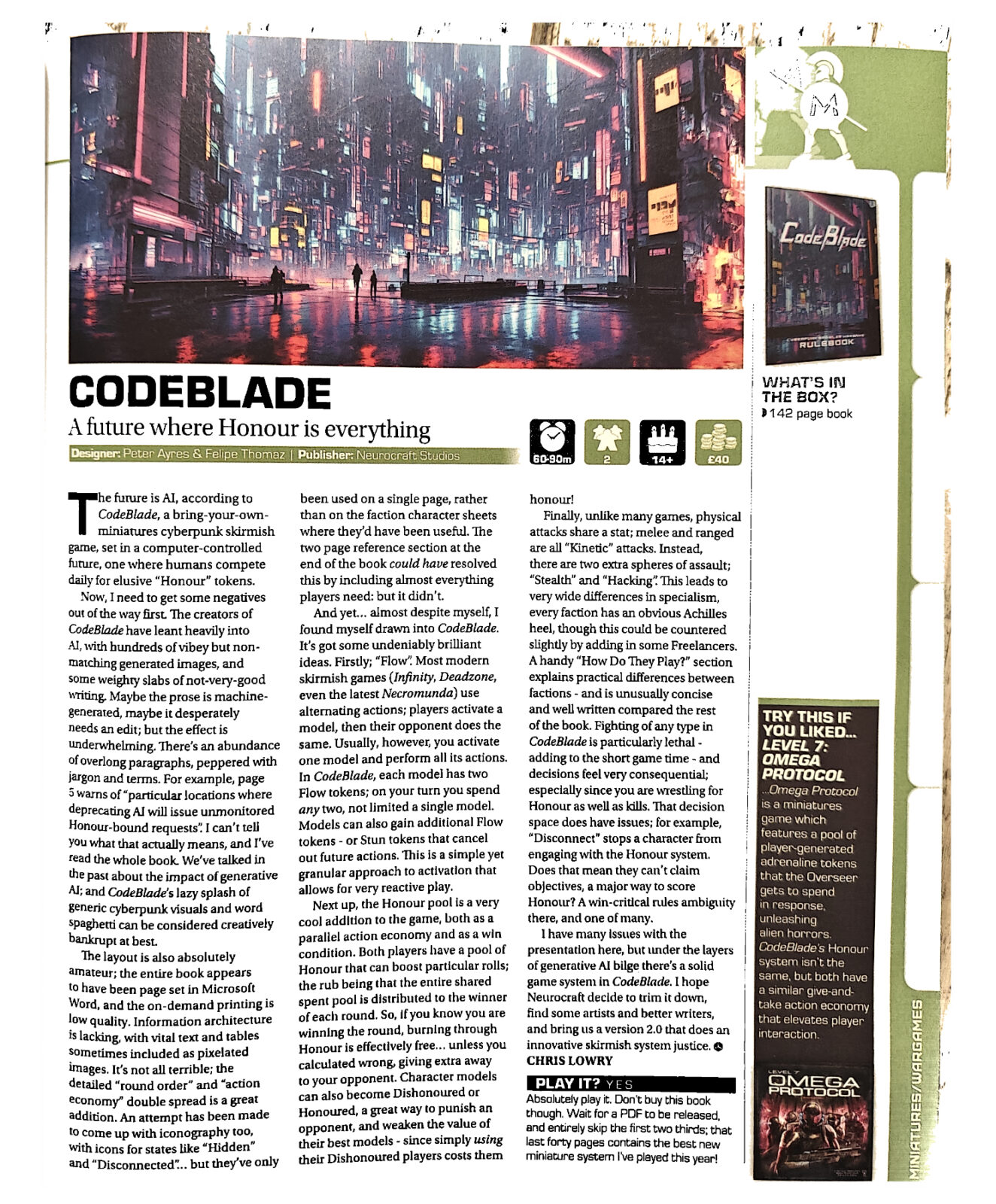
The future is AI, according to CodeBlade, a bring-your-own-miniatures cyberpunk skirmish game, set in a computer-controlled future, one where humans compete daily for elusive “Honour” tokens.
Now, I need to get some negatives out of the way first. The creators of CodeBlade have leant heavily into AI, with hundreds of vibey but non-matching generated images, and some weighty slabs of not-very-good writing. Maybe the prose is machine-generated, maybe it desperately needs an edit; but the effect is underwhelming. There’s an abundance of overlong paragraphs, peppered with jargon and terms. For example, page 5 warns of “particular locations where deprecating AI will issue unmonitored Honour-bound requests”. I can’t tell you what that actually means, and I’ve read the whole book. Our view on generative AI at Tabletop Gaming is that it’s creatively bankrupt at best; CodeBlade’s lazy splash of generic cyberpunk visuals and word spaghetti underlines that.
The layout is also absolutely amateur; the entire book appears to have been page set in Microsoft Word, and the on-demand printing is low quality. Information architecture is lacking, with vital text and tables sometimes included as pixelated images. It’s not all terrible; the detailed “round order” and “action economy” doublespread is a great addition. An attempt has been made to come up with iconography too, with icons for states like “Hidden” and “Disconnected”… but they’ve only been used on a single page, rather than on the faction character sheets where they’d have been useful. The two page reference section at the end of the book could have resolved this by including almost everything players need: but it didn’t.
And yet… almost despite myself, I found myself drawn into CodeBlade. It’s got some undeniably brilliant ideas. Firstly; “Flow”. Most modern skirmish games (Infinity, Deadzone, even the latest Necromunda) use alternating actions; players activate a model, then their opponent does the same. Usually, however, you activate one model and perform all its actions. In Codeblade, each model has two Flow tokens; on your turn you spend any two, not limited a single model. Models can also gain additional Flow tokens – or Stun tokens that cancel out future actions. This is a simple yet granular approach to activation that allows for very reactive play.
Next up, the Honour pool is a very cool addition to the game, both as a parallel action economy and as a win condition. Both players have a pool of Honour that can boost particular rolls; the rub being that the entire shared spent pool is distributed to the winner of each round. So, if you know you are winning the round, burning through Honour is effectively free… unless you calculated wrong, giving extra away to your opponent. Character models can also become Dishonoured or Honoured, a great way to punish an opponent, and weaken the value of their best models – since simply using their Dishonoured players costs them honour!
Finally, unlike many games, physical attacks share a stat; melee and ranged are all “Kinetic” attacks. Instead, there are two extra spheres of assault; “Stealth” and “Hacking”. This leads to very wide differences in specialism, every faction has an obvious Achilles heel, though this could be countered slightly by adding in some Freelancers. A handy “How Do They Play?” section explains practical differences between factions – and is unusually concise and well written compared the rest of the book. Fighting of any type in CodeBlade is particularly lethal – adding to the short game time – and decisions feel very consequential; especially since you are wrestling for Honour as well as kills. That decision space does have issues; for example, “Disconnect” stops a character from engaging with the Honour system. Does that mean they can’t claim objectives, a major way to score Honour? A win-critical rules ambiguity there, and one of many.
I have many issues with the presentation here, but under the layers of generative AI bilge there’s a solid game system in CodeBlade. I hope Neurocraft decide to trim it down, find some artists and better writers, and bring us a version 2.0 that does an innovative skirmish system justice.

PLAY IT? MAYBE
Absolutely play it. Don’t buy this book though. Wait for a PDF to be released, and entirely skip the first two thirds; that last forty pages contains the best new miniature system I’ve played this year!
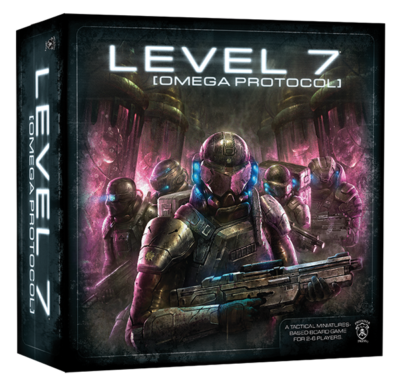 TRY THIS IF YOU liked Level 7: Omega Protocol…
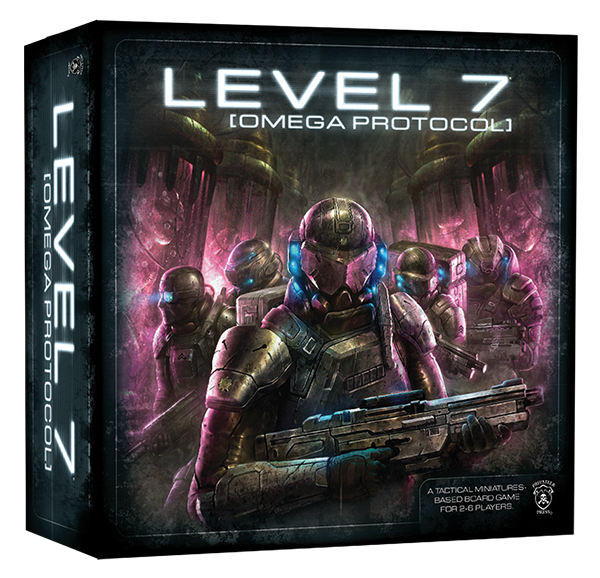
…Omega Protocol is a miniatures boardgame which features a pool of player-generated adrenaline tokens that the Overseer gets to spend in response, unleashing alien horrors. CodeBlade’s Honour system isn’t the same, but both have a similar give-and-take action economy that elevates player interraction.
| About CodeBlade | |
|---|---|
| Designer | Peter Ayres & Felipe Thomaz |
| Publisher | Neurocraft Studios |
| Playcount | 2 Players |
| Age | Age 14+ |
| Price | £40 |
| Contents |
|
| Rating | Maybe |
A review written for Tabletop Gaming Magazine. Magazine page copyright to TTG Magazine 2023.