
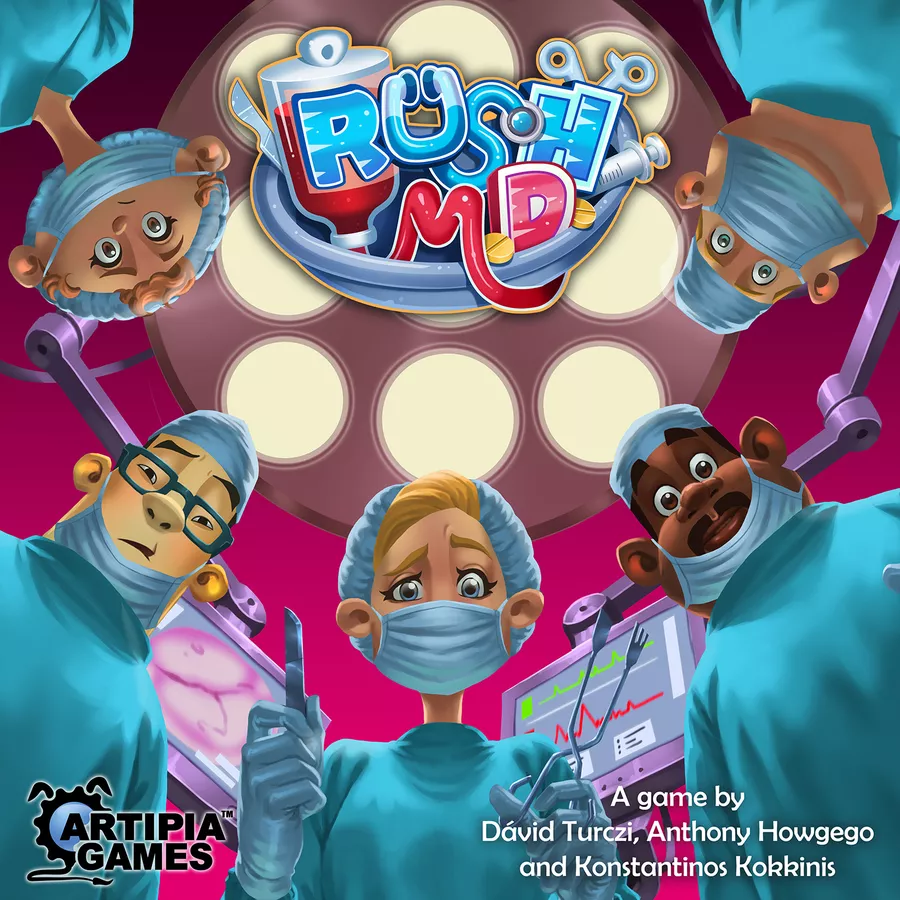
It’s not often that I have to give a professional disclaimer for a review; but in “real life” I’m actually a doctor, working in A&E and a variety of other areas. Rush M.D. is a game simulating the speedy admission, treatment and discharge of patients as quickly as you can. Depending on your viewpoint, I’m either the perfect person to review this game, or uncomfortably close to the action already.
If you’ve not heard of Rush M.D., the easiest touchstone is the addictive videogame “Overcooked”, where you manage a busy kitchen, moving your minions around and wait for them to complete activities. If you’d like a closer facsimile to that, there’s a board game called Kitchen Rush from the same designers. Rush M.D. is the sequel, trading in the carving knife for a scalpel.
Every action in Rush M.D. involves using a doctor or nurse, represented by a coloured sand timer. Simply pick up a ready clinician, turn them over, and place them on an action space. The obvious rub is that they can’t be moved until they’ve finishing pouring sand. This is remarkably disruptive to our primitive monkey brains – you can easily think of the next five tasks in a sequence, but when there are only three ready sand timers to put in position, keeping those remaining two in the back of your head.
Now, warning to those of you who hate stress; this is a real-time game with some dexterity elements. With only four rounds of just four minutes, you might think it’s too short, but there’s a lot to fit into a frantic window. Each round, you must admit a number of patients, send them for diagnostic scans, admit them to wards, perform surgery and administer treatments. You then score points for cured patients, simple cases getting one or two points, complex ones earning three or more. You need to cure every single patient during the round or else receive some punishing penalties – too many of these and your hospital will be shut down!
You might think the easy answer to success would be not to admit too many patients, but each game has an objective card; whilst in beginner games you might only need to score 32 points, in hard games you need 80 or more – roughly equal to curing a patient every 20 seconds! There can be other requirements too, such as a mandated number of hospitalised patients. Often the only way to score this is to take on far more patients than seems practical, and whirl around in a screaming panic trying to do everything at once. If you’ve played Space Alert or Captain Sonar, you will be more than familiar with the emotional overload.
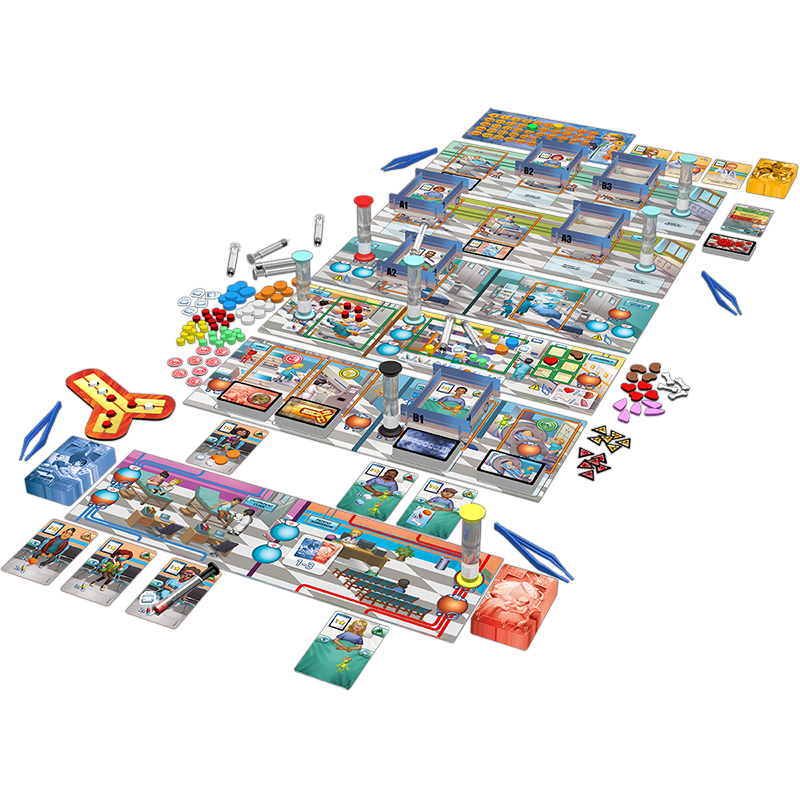
Diagnostics are where things get mini-gamey, with a bunch of different challenges to complete. Want a test on that infection? You’ll need to use tweezers to place counters in a particular order to match a symbol on the card. Need an MRI? You’ll have to carefully balance a doctor sand timer on a token that’s balanced on the corner of the patient’s bed. The results of those investigations then lead to a cure; if you’re lucky, that just means popping them onto a ward and using a nurse to give them medicine. If the case is more serious, the patient needs surgery. This involves a doctor and a nurse, with the nurse giving out medication and the doctor performing organ transplants(!). Anything inside the operating theatre needs to be done with a pair of tweezers too – and yes, the replacement organs are rounded, slippery and nearly impossible to pick up.
A warning for those of you with tiny homes – Rush M.D. takes up a lot of table space. Not just for laying out the wards and departments but also making sure that everyone can reach everything, with piles of medication counters and spare kidneys in tweezer distance. It’s not quite Monster Hunter World, but it definitely needs more room than Carcassonne with at least six expansions.
All of these aspects contribute to a strange phenomon; Rush M.D. is a rare game that takes MUCH longer to set up than it does to play. I’m reminded of Zombie 15’, which involves a rather convoluted setup for a short fifteen minute play time. That said, our experience is that once you’re established, playing another game is quite enticing, especially knowing how little time it will take.
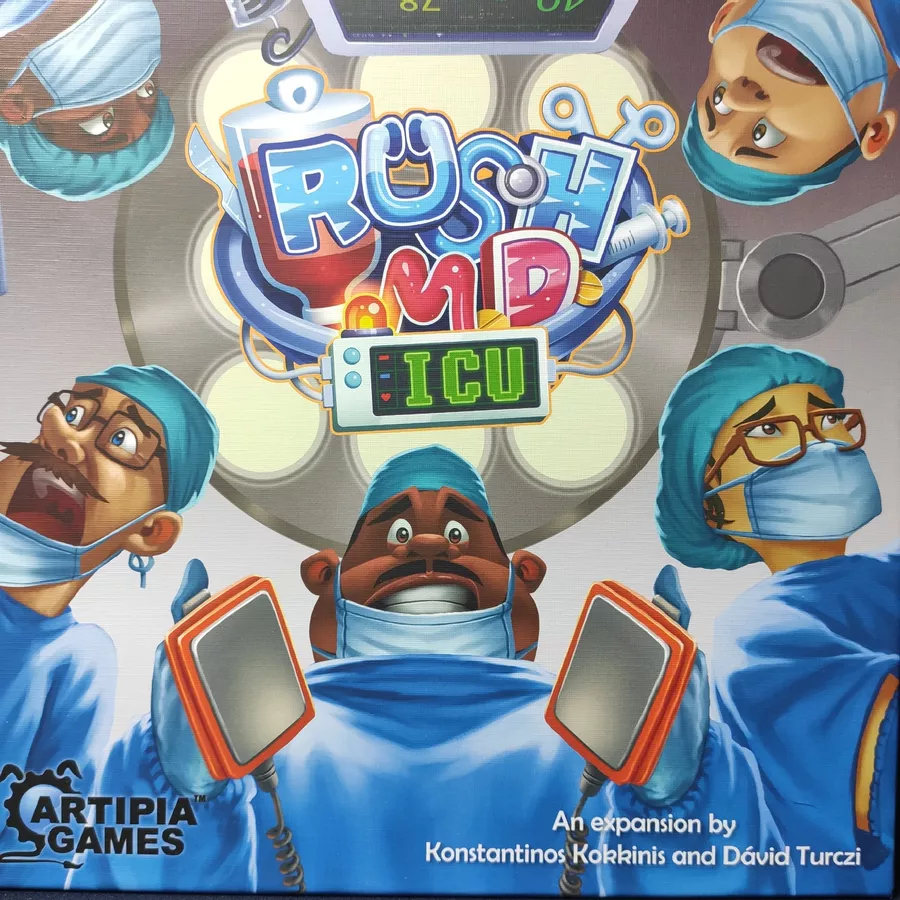
Once you’ve mastered the base game, there are several expansion boxes, including ICU and Maternity & Dental Clinics (a rarely seen combination of two very different specialisms). We took a look at the Intensive Care Unit which brings two main additions; variety, and complexity.
The former is represented by an additional Laboratory and Diagnostics, used to completely or partially replace those in the core box. These are pretty good – the ultrasound investigation makes you hunt around for a hidden code on the back of a card, using a small red filter counter. It actually felt a little bit like performing an actual US scan! If you love the base experience, the options to mix things up here is welcome, although it didn’t really add much extra game.
The ICU ward increases the hardness of the game, and has my favourite mini-game mechanic of the entire review – performing defibrillation. To do this, you place wooden pad tokens on each corner of the bed and get every single player to lift their hands in the air when you shout “clear”. As an actual life support instructor, this both charmed me and gave me flashbacks to actual moments of CPR.
 Patients admitted to Intensive Care need to be stabilised, which often involves performing ECGs and giving intravenous drips. These come with tiny cardboard drip stands, and allow you to dangle bags of (cardboard) fluid into the patient’s bed. The creators of Rush M.D. have managed some remarkably authentic vibes for this game; given that you are actually just hanging some hardboard onto some other cardboard near to a card, it feels much more like providing medical treatment.
Even worse, those patients need to be accompanied by their drip stands for the rest of their stay in hospital: forgetting to move bring the stand along will lose you a point for every action that takes place without it. Overall we enjoyed Intensive Care, but didn’t really feel it was necessary; especially as it further increases the amount of table space needed.
Sadly, our overall experience of Rush M.D. was similarly muted. Unlike Space Alert, which uses similar time intensity and the challenges of co-ordinating a group under stress, we didn’t feel particularly invested in the mission at the heart of Rush M.D.. Space Alert truly makes you all feel like the intrepid crew of a gallant ship, wrestling to stay alive in the bombastic heart of the stellar cosmos. In Rush M.D., we felt like people doing lots of hurried mini-games to get some points in a board game. In other words, although I applaud some of the mechanics and thematic touches Artipia Games have used, they’ve left a patient that desperately needs a higher dose of “fun”.
PLAY IT? MAYBE
If you are drawn to feverish gameplay and near impossible team coordination, Rush M.D. may be just what you’re looking for; I suspect there’s not quite enough here to captivate most of us.
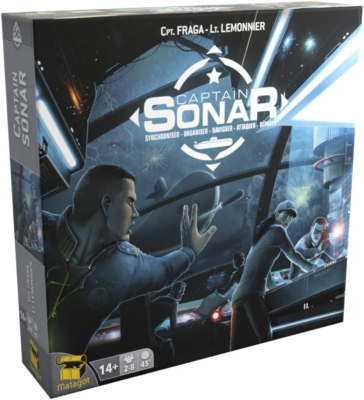 TRY THIS IF YOU liked Captain Sonar…
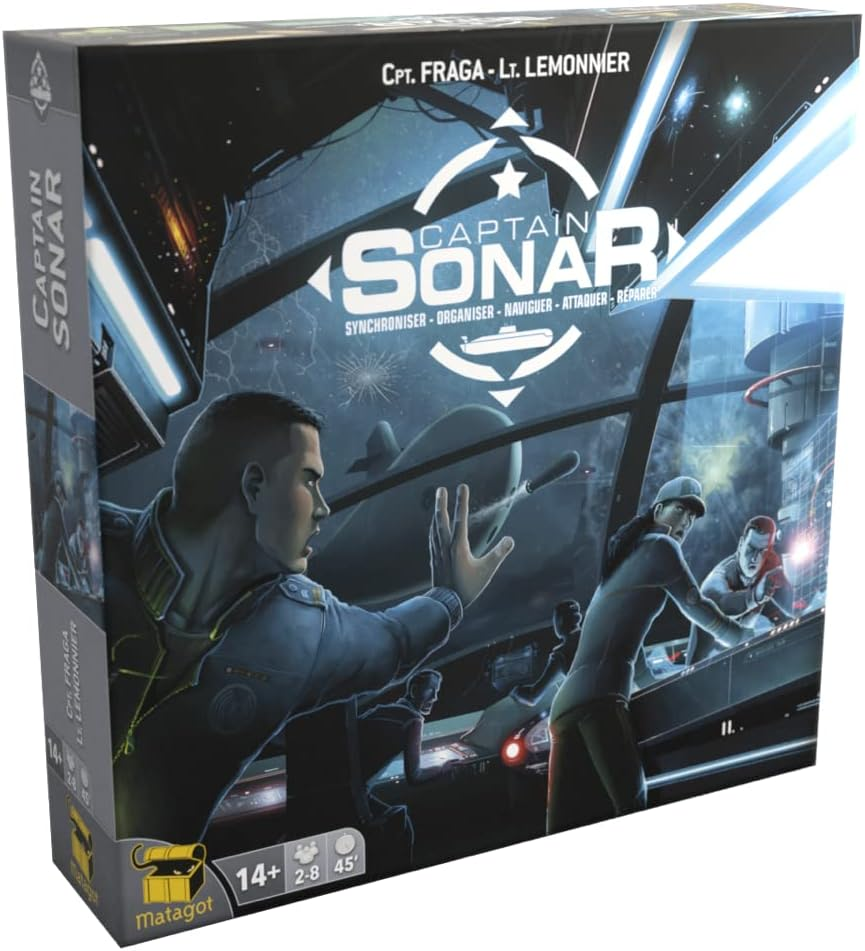
…Coordinating the Emergency Department of a busy hospital shares more than you might think with the internal workings of an underwater submarine. Both these games reward teamwork under punishing circumstances.
| About Rush MD + ICU Expansion | |
|---|---|
| Designer | Anthony Howgego, Konstantinos Kokkinis & Dávid Turczi |
| Publisher | Artipia Games |
| Playcount | 1-4 Players |
| Age | Age 12+ |
| Price | £45 |
| Contents |
|
| Rating | Maybe |

A review written for Tabletop Gaming Magazine. Magazine page copyright to TTG Magazine 2023.