Blog

Away to the hills

Our family end-of-summer trip was a blessing.

It’s been a tough summer. I’m not going to go into it here, but most of our plans were changed or cancelled, and everyone has been exhausted by the experience.

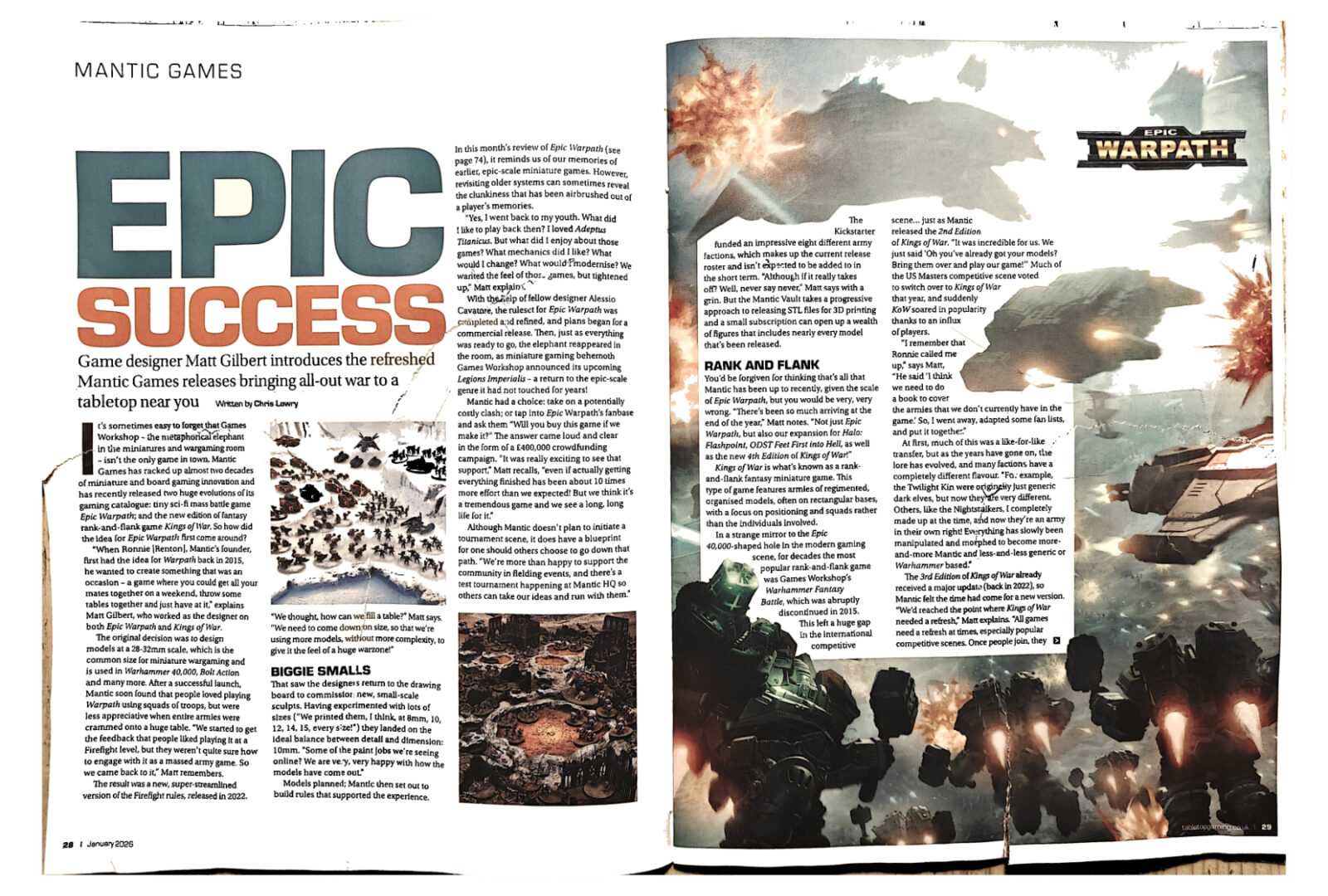
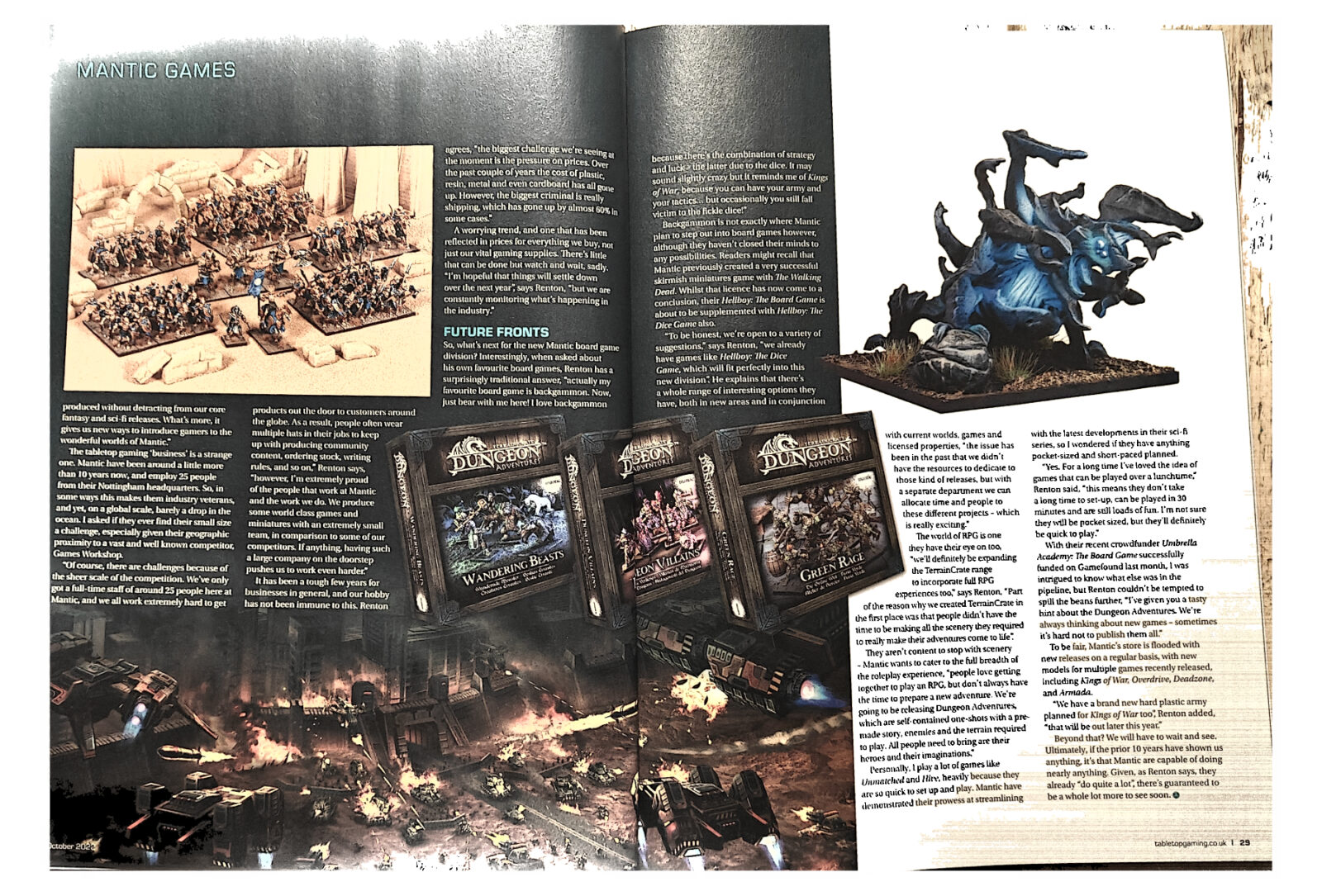
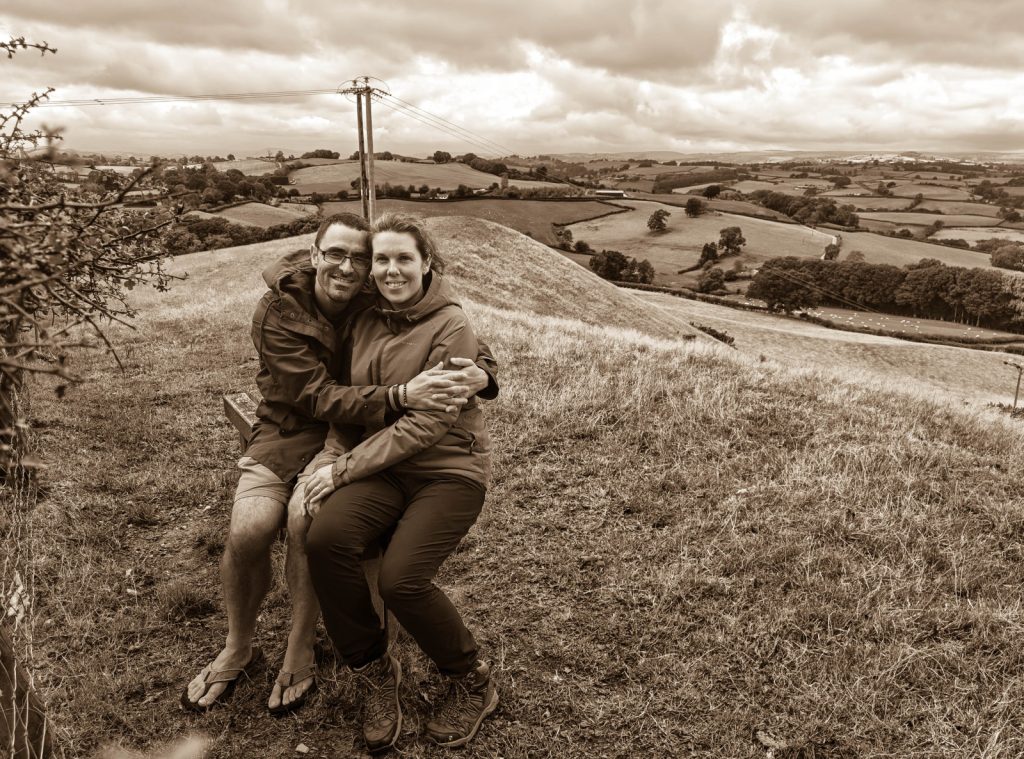
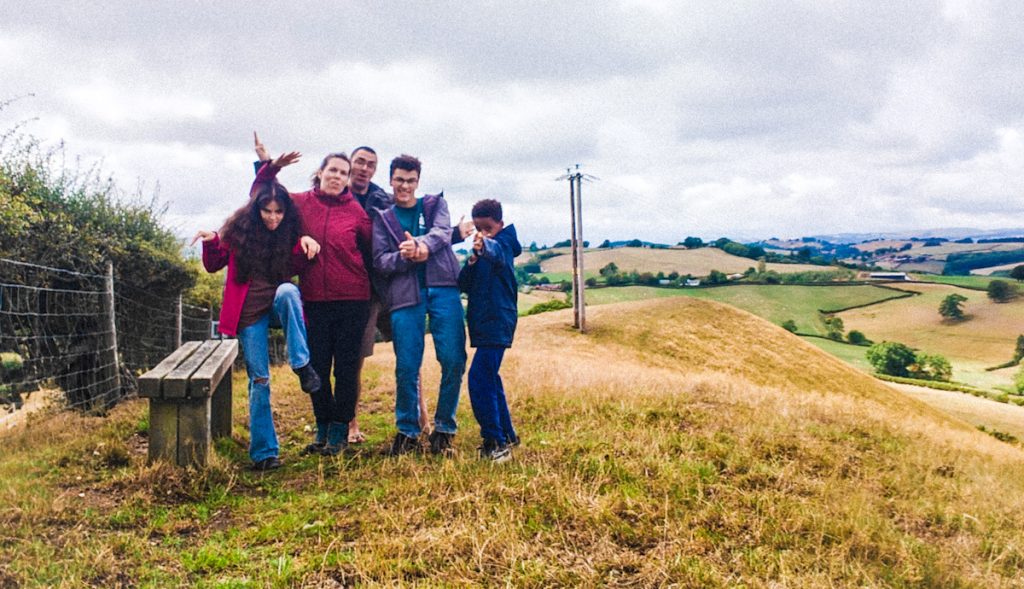
However, we managed to get away to mid-Wales for a bit, and I’m thankful. Hills were good. Visiting Hope Church in Newtown was lovely. Touched base with a few friends. Made some awesome pizza in a wood burning pizza oven. I felt like writing more words, but needed this space and time away here to be simply what it was, rather than spent on a screen, so here’s a haiku, and below are some photos.

The first coloured leaves,
a view, larger than ourselves.
I’m thankful for them.

Open Complaint Letter to Three

Three have been negligent in their stewardship of my financial records; this is my fourth attempt at resolving the issue

The following was an open complaint letter to Three, the UK mobile phone company. They made complaining formally and clearly almost impossible through their official channels, so I published it on my blog. It got me a refund of all my costs and a goodwill payment of £100, so it was worth pushing for. I’ve left it up as encouragement for those of you who are less confident at complaining.

Dear Complaints Team.

I have a detailed complaint below. My suggestion is that you immediately escalate this to a senior complaints manager within the UK Office, since I’m not going to let this one pass easily.

Point 1 – An Error by Three

It has come to my attention that, unfortunately, Three failed to charge my monthly direct debit bill, twice, once in April and May.

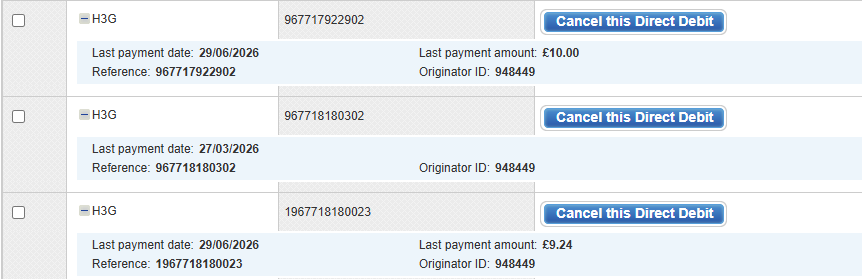
There was no action on my part to cause this. I did not (and have not) cancel any direct debits. There was still a positive balance in the relevant bank account and the direct debit is still active (attached image shows the still active direct debit, second one down).

Around the 25th June, I noticed on my Three Account that there was a larger than normal balance owing, and rang to clarify the cause. (I also discovered I’d been mistakenly charged for a international calling bundle for several months at that time, which was refunded).

The normal monthly payment was then taken on the 29th June without issue. My details didn’t change, I didn’t sign a new agreement; I was not informed that I had made any mistake or failing. The failure for the payments in April and May was entirely a failing within Three’s procedures or actions.

Indeed, on my third complaint call on the 29th July, the advisor confirmed that his records showed the direct debit was unilaterally cancelled by Three on 1st April, and that his records showed no request, failure or action on my part, and no contact between Three and myself on that day.

Action 1: Please investigate the error, and confirm fault on your part, then confirm in writing to me that the error was on Three’s part, not my own.

Point 2 – Error placed on my credit record

Unfortunately, Three registered YOUR failure to collect a direct debit as two “non payment” actions on MY credit record.

This has damaged my credit score, to the degree that my previously approved mortgage has been cancelled. I, a doctor earning above the 40% tax threshold with no debts and no outstanding loans, have a worse credit rating than my wife who earns underneath the personal allowance.

In fact, I am unable to get a mortgage through the provider I was using, and have had to pay a financial advisor to get a wider-market mortgage, at an additional fee cost of £595.

Point 3 – An adequate letter from Three

I complained to Three and escalated my complaint on the 20th July, and was promised a letter, containing the following:

a) Confirmation that Chris Lowry has done nothing wrong to lead to non payment of bills.
b) Confirmation that the error was entirely on Three’s part.
c) Confirmation that Three have made two incorrect entries on my credit score (with details of the entries), and confirming that Three have applied to have them both removed.

On the 22nd I received a complaint letter. It did not clarify that I had not been at fault, nor acknowledge that Three are to blame, or confirmed specifically that the offending two entries have been removed. It was also written in poor English and didn’t use tenses correctly, as you can see:

“Please note, this account is still active and credit file would get updated via the monthly tape.
All negative entries removed from your credit file”.

I need Three to acknowledge fault as I need evidence I can take to mortgage providers that demonstrates I have not acted in a way that would discourage lending. Not just a mention of negative entries, but confirmation that I am trustworthy for lending, and have not demonstrated negative behaviours.

I immediately requested a better letter on the 25th. This complaint was closed without a new letter or any reply to me.

Action 2: I need a letter clearly confirming points a, b and c above.

Point 4 – Repeated complaints not resolved

I was very clear about the letter I needed (including a, b and c) in my complaint on the 20th July.

I was very clear about the letter not being good enough in my complaint on the 25th.

I was very clear about my needs in the online chat and telephone call on the 29th, but have still had to write this letter because it was clear my concerns had not been heard..

Three’s actions have also derailed my house purchase significantly, already having added two weeks (so far), to a process we were hoping would be eight weeks. The issue is absolutely not resolved yet, so that delay will continue.

Action 3: I want an apology. I also expect goodwill compensation for the extremely poor service. I suggest £100.

Point 5 – Other Financial Costs arising from Three’s Negligence

Due to Three’s negligence in managing my financial records responsibly, my credit rating has been seriously harmed. I do not have the luxury to wait 3 months for this to partially reverse, since I will lose the purchase of my house with that delay. Even then, some mortgage providers have made it clear they will not consider me for a further year after a failed credit check. I have been forced to hire a financial advisor to help me access outside of the standard mortgage market, as I am not eligible for standard cover due to Three’s actions. Cost: £595

(I am happy to provide record of this cost, as well as confirmation from my prior mortgage sourcer that the cause for them not being able to help me was the error made by Three)

I have had to spend an hour engaging with Three’s complaint department on three occasions, and spend an hour writing this letter. I am a GP, and my standard hourly rate is £90 per hour. Current cost: £360.

Please note: this cost will be increased by each hour I need to spend continuing this complaint.

Action 4: I expect full compensation of £1055 ( £100 + £595 +£360).

If this is not agreed and paid in full by the 29th August , I will seek redress through the small claims court.

In that situation, I will also be adding my court filing costs, and any difference in cost between the 4.29% mortgage I was offered and whichever mortage I end up having to get, over the fixed term of the mortgage. (For example, if I have to get a 3 year 4.7% mortgage, that will be £81 per month more expensive, or £2,916 over three years.


As a reminder, negligence is demonstrated by

  • Does a company owe you a duty of care? Yes, you do.
  • Has it breached that duty by acting unreasonably? You cancelled my direct debit unilaterally, then recorded it as a failure on my part without actually checking the cause of the missed payments; namely, the cause being actions taken by Three, not myself.
  • The breach caused damage to your credit record. Demonstrably.
  • You suffered a measurable loss (for example, being refused credit, paying higher interest, or financial loss). As evidenced above.


Please provide a prompt response and clearly numbered reply to the numbered Action Points. I suspect the best option would be a call (number ends in 891) to acknowledge receipt, and then an extremely comprehensive and clear email.

Yours sincerely,

Dr Chris Lowry

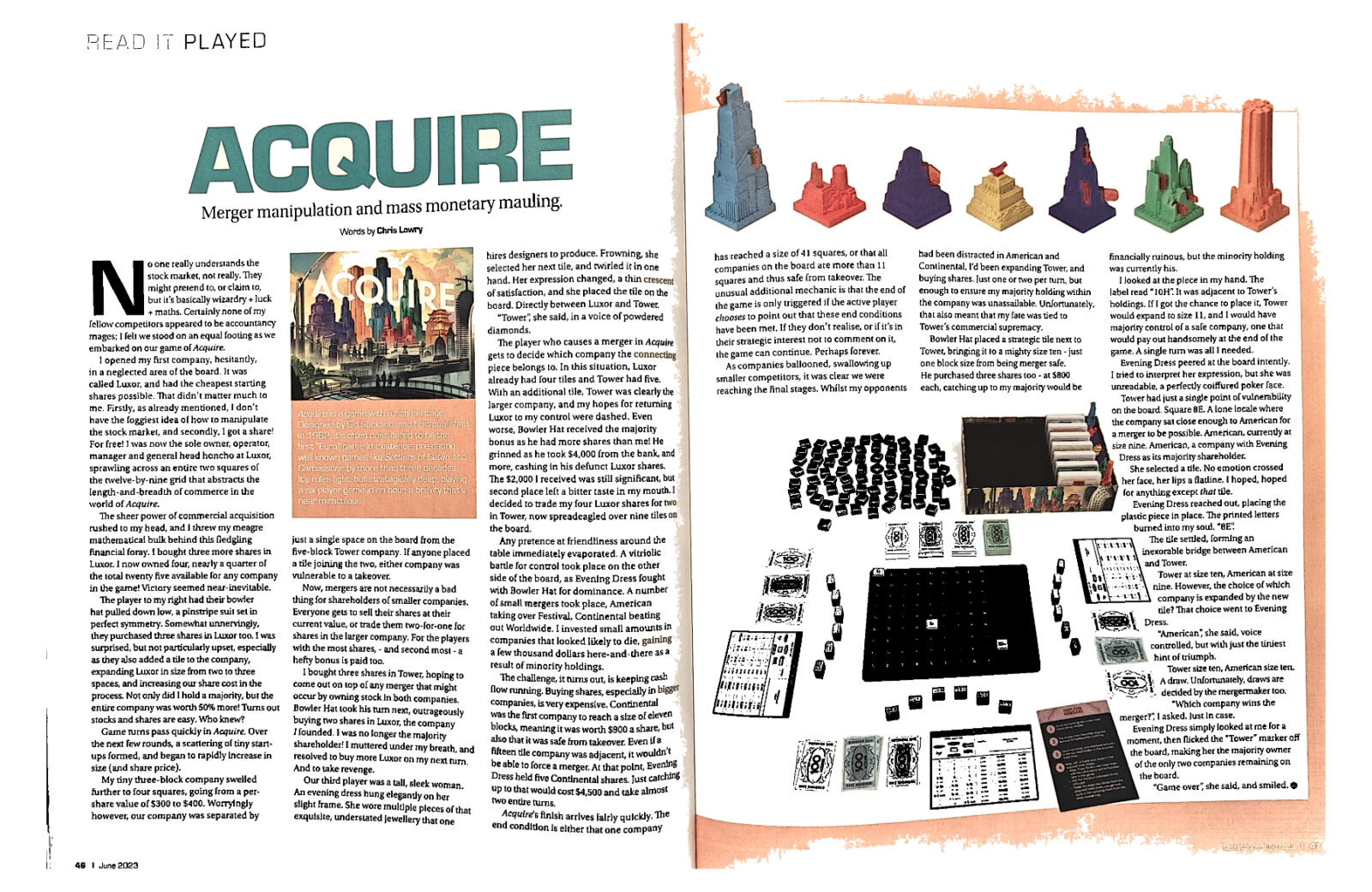
Read It Played: Acquire

Merger manipulation and mass monetary mauling.

No one really understands the stock market, not really. They might pretend to, or claim to, but it’s basically wizardry + luck + maths. Certainly none of my fellow competitors appeared to be accountancy mages; I felt we stood on an equal footing as we embarked on our game of Acquire.

I opened my first company, hesitantly, in a neglected area of the board. It was called Luxor, and had the cheapest starting shares possible. That didn’t matter much to me. Firstly, as already mentioned, I don’t have the foggiest idea of how to manipulate the stock market, and secondly, I got a share! For free! I was now the sole owner, operator, manager and general head honcho at Luxor, sprawling across an entire two squares of the twelve-by-nine grid that abstracts the length-and-breadth of commerce in the world of Acquire.

(If this article intrigues you, read my review of Acquire elsewhere on the site)

The sheer power of commercial acquisition rushed to my head, and I threw my meagre mathematical bulk behind this fledgling financial foray. I bought three more shares in Luxor. I now owned four, nearly a quarter of the total twenty five available for any company in the game! Victory seemed near-inevitable.

I muttered under my breath, and resolved to buy more Luxor on my next turn. And to take revenge.

The player to my right had their bowler hat pulled down low, a pinstripe suit set in perfect symmetry. Somewhat unnervingly, they purchased three shares in Luxor too. I was surprised, but not particularly upset, especially as they also added a tile to the company, expanding Luxor in size from two to three spaces, and increasing our share cost in the process. Not only did I hold a majority, but the entire company was worth 50% more! Turns out stocks and shares are easy. Who knew?

Game turns pass quickly in Acquire. Over the next few rounds, a scattering of tiny start-ups formed, and began to rapidly increase in size (and share price).

My tiny three-block company swelled further to four squares, going from a per-share value of $300 to $400. Worryingly however, our company was separated by just a single space on the board from the five-block Tower company. If anyone placed a tile joining the two, either company was vulnerable to a takeover.

Now, mergers are not necessarily a bad thing for shareholders of smaller companies. Everyone gets to sell their shares at their current value, or trade them two-for-one for shares in the larger company. For the players with the most shares, – and second most – a hefty bonus is paid too.

I bought three shares in Tower, hoping to come out on top of any merger that might occur by owning stock in both companies. Bowler Hat took his turn next, outrageously buying two shares in Luxor, the company I founded. I was no longer the majority shareholder! I muttered under my breath, and resolved to buy more Luxor on my next turn. And to take revenge.

Our third player was a tall, sleek woman. An evening dress hung elegantly on her slight frame. She wore multiple pieces of that exquisite, understated jewellery that one hires designers to produce. Frowning, she selected her next tile, and twirled it in one hand. Her expression changed, a thin crescent of satisfaction, and she placed the tile on the board. Directly between Luxor and Tower.

“Tower”, she said, in a voice of powdered diamonds.

The player who causes a merger in Acquire gets to decide which company the connecting piece belongs to. In this situation, Luxor already had four tiles and Tower had five. With an additional tile, Tower was clearly the larger company, and my hopes for returning Luxor to my control were dashed. Even worse, Bowler Hat received the majority bonus as he had more shares than me! He grinned as he took $4,000 from the bank, and more, cashing in his defunct Luxor shares. The $2,000 I received was still significant, but second place left a bitter taste in my mouth. I decided to trade my four Luxor shares for two in Tower, now spreadeagled over nine tiles on the board.

Any pretence at friendliness around the table immediately evaporated. A vitriolic battle for control took place on the other side of the board, as Evening Dress fought with Bowler Hat for dominance. A number of small mergers took place, American taking over Festival, Continental beating out Worldwide. I invested small amounts in companies that looked likely to die, gaining a few thousand dollars here-and-there as a result of minority holdings.

The challenge, it turns out, is keeping cash flow running. Buying shares, especially in bigger companies, is very expensive. Continental was the first company to reach a size of eleven blocks, meaning it was worth $900 a share, but also that it was safe from takeover. Even if a fifteen tile company was adjacent, it wouldn’t be able to force a merger. At that point, Evening Dress held five Continental shares. Just catching up to that would cost $4,500 and take almost two entire turns.

Acquire’s finish arrives fairly quickly. The end condition is either that one company has reached a size of 41 squares, or that all companies on the board are more than 11 squares and thus safe from takeover. The unusual additional mechanic is that the end of the game is only triggered if the active player chooses to point out that these end conditions have been met. If they don’t realise, or if it’s in their strategic interest not to comment on it, the game can continue. Perhaps forever.

As companies ballooned, swallowing up smaller competitors, it was clear we were reaching the final stages. Whilst my opponents had been distracted in American and Continental, I’d been expanding Tower, and buying shares. Just one or two per turn, but enough to ensure my majority holding within the company was unassailable. Unfortunately, that also meant that my fate was tied to Tower’s  commercial supremacy.

Bowler Hat placed a strategic tile next to Tower, bringing it to a mighty size ten – just one block size from being merger safe. He purchased three shares too – at $800 each, catching up to my majority would be financially ruinous, but the minority holding was currently his.

I looked at the piece in my hand. The label read “10H”. It was adjacent to Tower’s holdings. If I got the chance to place it, Tower would expand to size 11, and I would have majority control of a safe company, one that would pay out handsomely at the end of the game. A single turn was all I needed.

Evening Dress peered at the board intently. I tried to interpret her expression, but she was unreadable, a perfectly coiffured poker face.

Tower had just a single point of vulnerability on the board. Square 8E. A lone locale where the company sat close enough to American for a merger to be possible. American, currently at size nine. American, a company with Evening Dress as its majority shareholder.

She selected a tile. No emotion crossed her face, her lips a flatline. I hoped, hoped for anything except that tile.

Evening Dress reached out, placing the plastic piece in place. The printed letters burned into my soul. “8E”.

The tile settled, forming an inexorable bridge between American and Tower.

Tower at size ten, American at size nine. However, the choice of which company is expanded by the new tile? That choice went to Evening Dress.

“American”, she said, voice controlled, but with just the tiniest hint of triumph.

Tower size ten, American size ten. A draw. Unfortunately, draws are decided by the mergermaker too.

“Which company wins the merger?”, I asked. Just in case.

Evening Dress simply looked at me for a moment, then flicked the “Tower” marker off the board, making her the majority owner of the only two companies remaining on the board.

“Game over”, she said, and smiled.

Acquire is a game with a rich heritage. Designed by Sid Sackson, and first published in 1962, it’s often considered to be the first “Euro” game in existence, pre-dating well known games like Settlers of Catan and Carcassone by more than three decades. It’s rules light, but strategically deep, playing a six player game in an hour, a brevity that’s near miraculous.

Wild Officing

The new craze sweeping the workplace and reasonably nearby green spaces.

It’s unacceptably hot in England at the moment. Like, possibly the hottest ever. As such, my office has turned into something approaching an extremely humid oven. Now, sometimes on hot nights, I’ve been known to take a tarp outside and sleep under the stars. Even better, I go to a hidden bit of countryside and do a spot of wild camping.

If you’ve not encountered it, wild camping is an activity of mild subterfuge set amidst glorious natural beauty—setting up camp in places that you aren’t really meant to be camping. Forests, fields and forgotten green places. Remote, set apart, semi-illegal.

Now, I love wild camping and on this hatefully heated week decided to apply the tenets of that hobby to my workday. As such, I’m proud to introduce the latest “hot-desking” trend…

…Wild Officing!

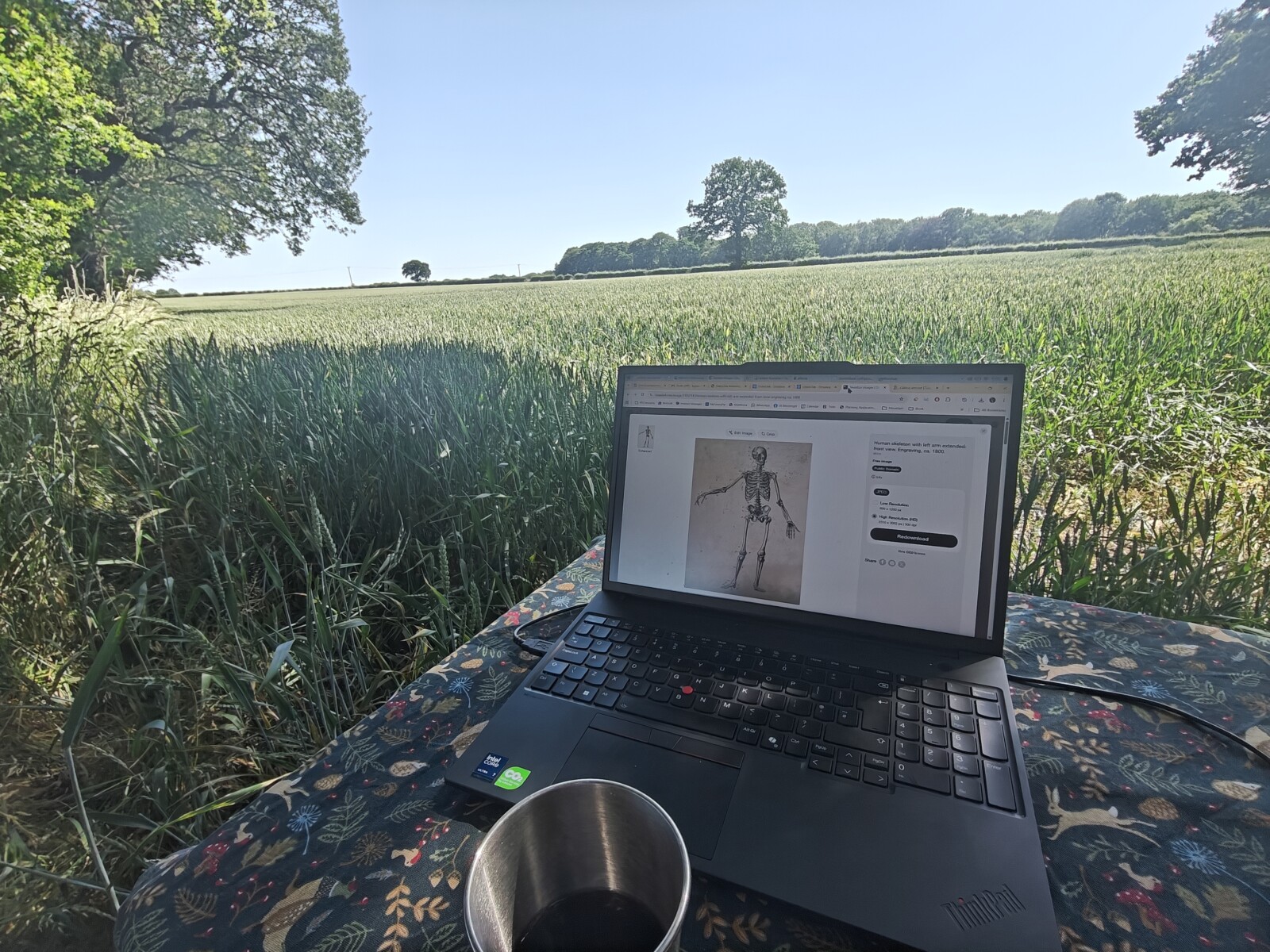
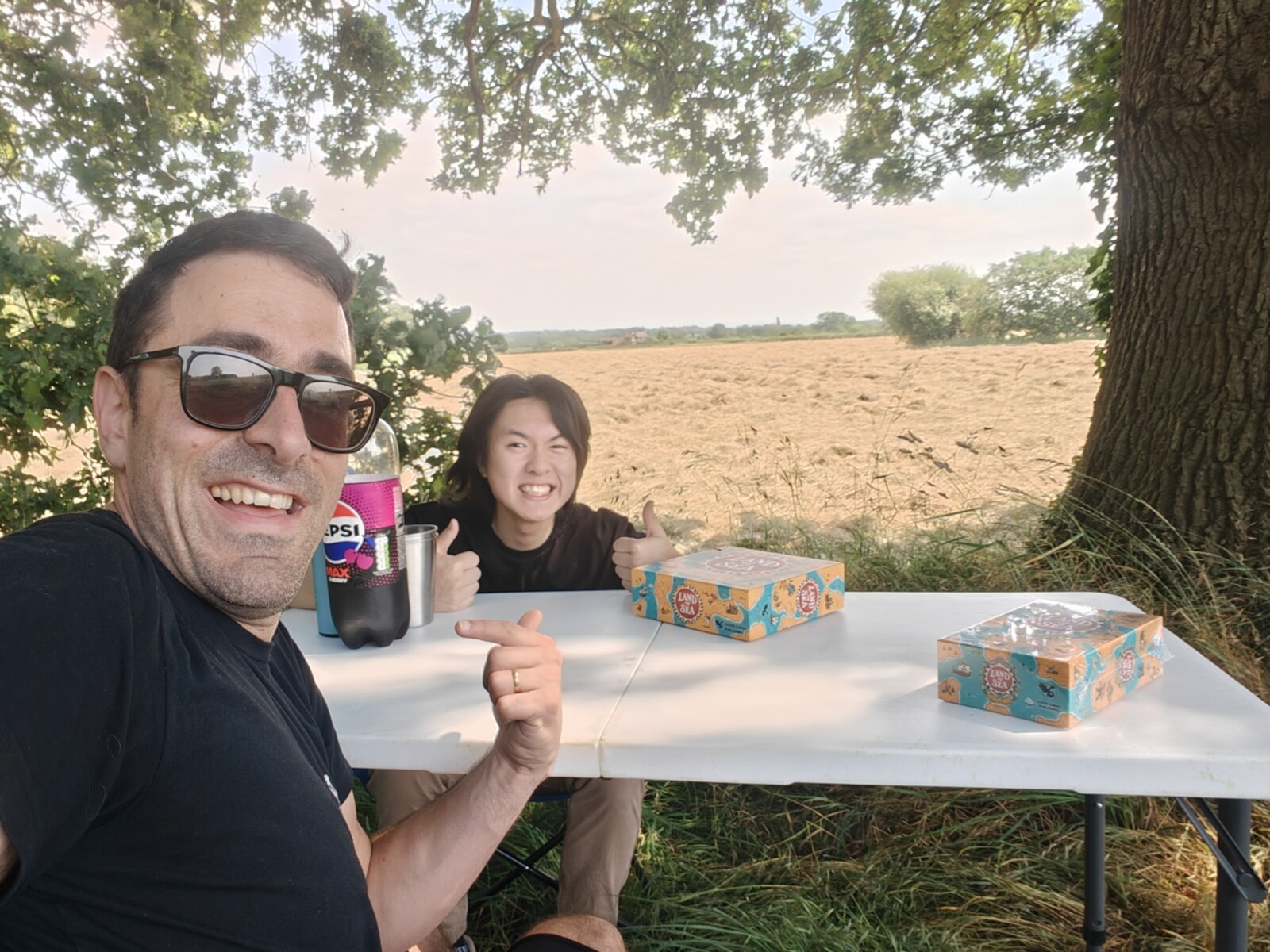
The last three days have been truly wonderful. Sat on the edge of various fields, underneath massive old oak trees, constantly refreshed by ice cold drinks and a lovely cool breeze.

Intrigued? Jealous? Things you will need:

  1. Folding table and a decent-but-not-too-heavy chair.
  2. Laptop with 4+ hours of battery life.
  3. Internet hotspot.
  4. Thermos flask with ice, and snacks/drinks.
  5. Bug spray! (Hot bitten bad on day one!)
  6. Hat, in case the sun gets through the leaves.
  7. Somewhere to go.

Finding a good spot

You’ll need to hunt for a likely location before you leave on Google Maps. You want somewhere reasonable far from the noise and bustle of a busy road, but also near enough to access so that you don’t have to walk 9 miles carrying all the kit.

Each day I hunted for something with big green trees and a big field adjacent, with the trees to the north so my view was south facing (and kept me under shade all day).

My first site was a 2 minute walk from parking, the next one was 10 minutes. You want to be hidden enough that strangers aren’t constantly distracting you, and farmers don’t see you!

Of course, always remember to respect public footpaths, and leave no trace you were there, including picking up rubbish. Don’t leave any damage behind, and don’t walk directly across fields of crops. (I actually put my feet on a tarp to protect the ground underneath where I sat in one site).

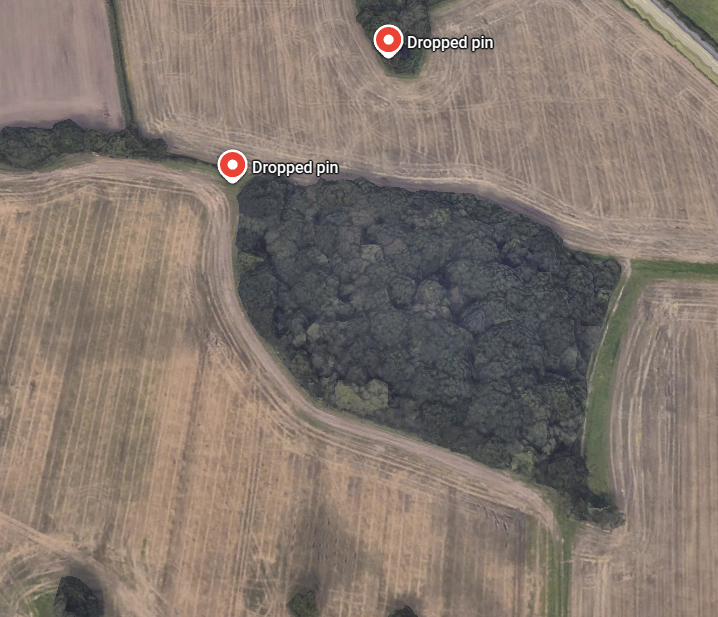
These two generic spots would be pretty good starts (I’ve not been to them, just pointing out features on a map). South facing, and there’s a road top right to walk from easily, and then if either spot doesn’t work there’s plenty nearby to try, or just inside the clump of trees.

Will Wild Officing be the new craze?!

Probably not, let’s face it. I’m not even saying Wild Officing is for everyone—especially I imagine it would be a living nightmare for hayfever sufferers—but it was idyllic for me in the heat wave this week.

Where have you wild officed? Got a recommendation for identifying a good spot? Tell me in the comments

The Door

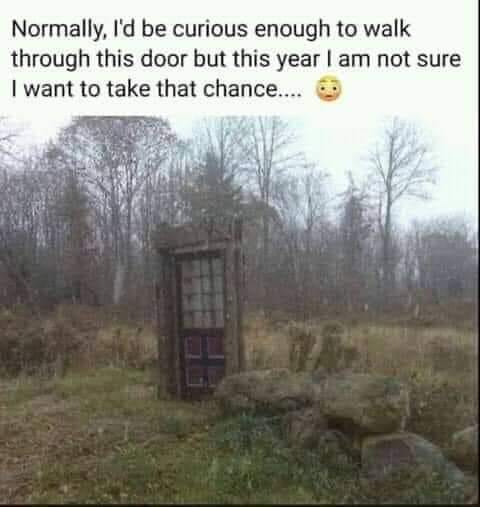
He pushed the door open. He was hesitant, but not sure why. Of course nothing would happen – it’s just an abandoned door! Might as well worry about touching a tree!

It swung, wide open. No creak. For a moment he found himself wondering if someone came all the way out here just to keep it oiled.

Silly. He shook the thought aside and stepped towards the opening. And stopped. Was that a shimmer in the air?

Slight goosebumps rose on his arms. Was he actually scared? Its literally just a old door in the woods! Such nonsense.

Right on the threshold, he paused, took a deep breath, and walked through. Right away, right that second, he knew he had made a terrible mistake.

And it was too late.

Using Markdown styles with Affinity

Quickly importing text from Markdown without loosing style tags

Many of us like to write in Markdown when writing draft work. It allows you to work without complicated formatting but still apply styles such as bold or italic. This is done using tags like # to denote titles or surrounding phrases with * to denote bold, italic or bold italic.

Unfortunately, Affinity doesn’t (currently) support importing files in Markdown. However, it’s the work of a few minutes with search and replace and the correct terms. Here’s how to import Markdown and still keep all your styles.

1. Save your Markdown file as filename.txt.

(Publisher won’t import *.md). You can just rename it with a .txt extension in the file manager if you want..

2. Import into text frame.

Select an empty text frame, go File > Place… and select the file.

3. Get rid of double spaces.

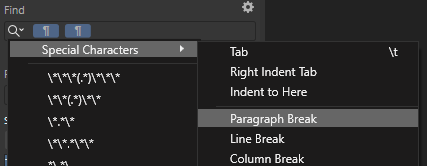
Markdown uses double spaces to make a new paragraph, Publisher does that automatically. Go to Text > Find and in the dropdown with the magnifying glass, select Special Characters > Paragraph Break. Do this twice in Find and once in Replace, so that double spaces become single.

5. Set everything to Body.

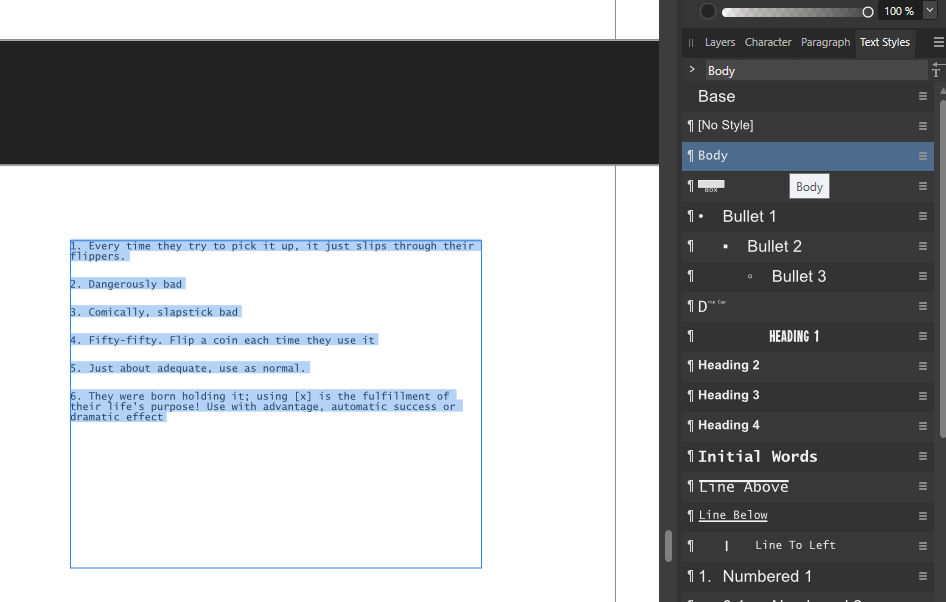
This ensures that everything that doesn’t end up formatted with something else has a base paragraph style of “body”. Feel free to use a different base if you prefer. Sometimes text frames can be weird and set everything imported to the last style you used – this step prevents all your text being paragraph styled as Heading2 or similar. 

  • Use Ctrl+Alt and then select “Body” in the Text Styles dialog.

5. Turn on Regular Expressions.

This is the magic you need to make our searches work. Go to the Settings Cog > and tick Regular Expression for both the Find and Replace inputs.

6. Replace Headings.

Markdown uses “# Text” to make Titles. The more # marks, the smaller the size of the title. So “### Title” will be a small Heading 3, and “# Title” will be a large Heading 1. Replacing in reverse order with #### tags before ### will prevent high level tags being picked up and classed as the lower tag with a “#” in the free text.

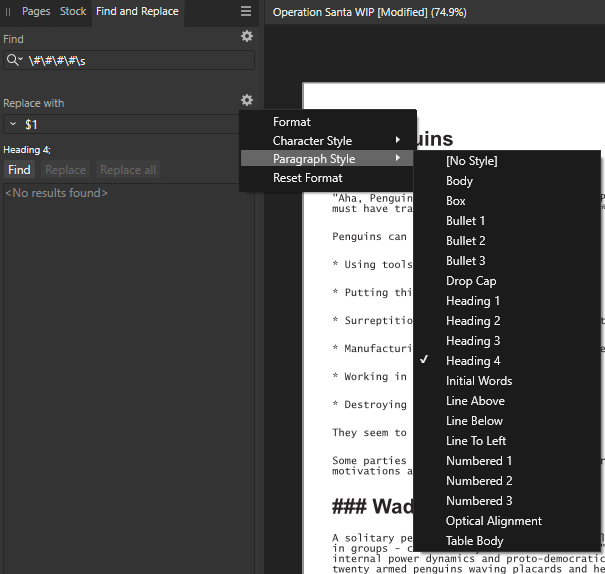
  • Find “\#\#\#\#\s” and replace with “$1” and set Formatting > Paragraph Style > Heading 4. This will find the “#### ” (the /s picks up the space between the letters), and change the style whilst deleting the hash marks:

Do the same with the other tags in the order below:

  • Find “\#\#\#\s” and replace with “$1” and set Formatting > Paragraph Style > Heading 3.
  • Find “\#\#\s” and replace with “$1” and set Formatting > Paragraph Style > Heading 2.
  • Find “\#\s” and replace with “$1” and set Formatting > Paragraph Style > Heading 1.

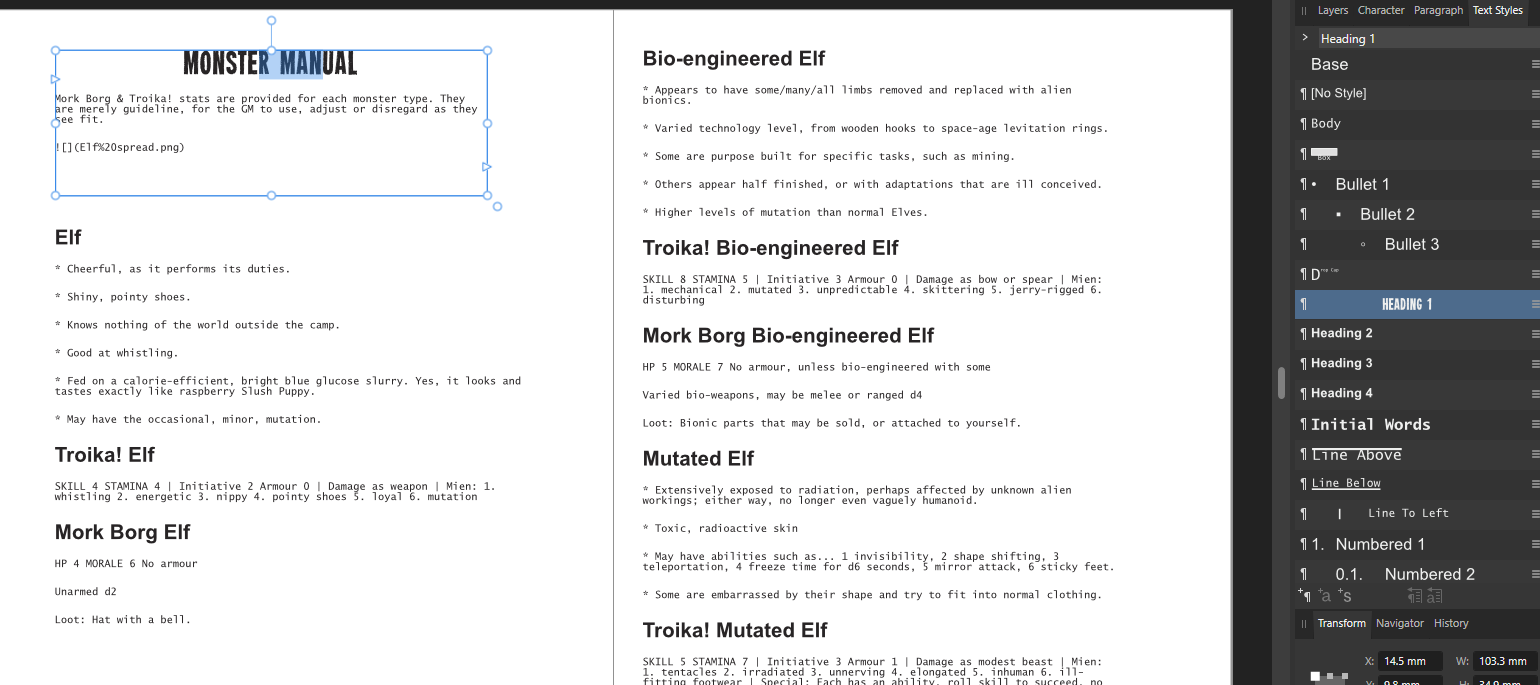
All your Titles should have appeared now like so:

8. Replace Bold & Italics.

Our regular expression this time will search for asterisks * and select the text between them. Again, do this in reverse order to catch *** first, then **, then *:

  • Find “\*\*\*([^\s].+?)\*\*\*” and replace with “$1” and Format > Character Style > Strong Emphasis.


Do the same for Bold and Italic:

  • Find “\*\*([^\s].+?)\*\*” and replace with “$1” and Format > Character Style > Strong.
  • Find “\*([^\s].+?)\*” and replace with “$1” and Format > Character Style > Emphasis.

It should now look like this:

8. Replace Bullets.

You’ll need to repeat this for every level of bullets you have, from *** to *.

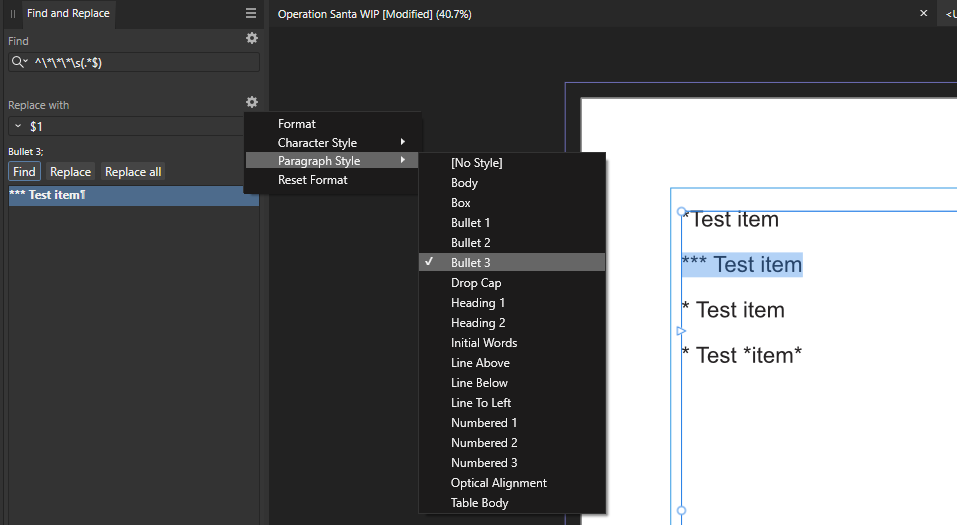
  • Find “^\*\*\*\s(.*$)” and replace with “$1” and Format > Paragraph Style > Bullet 3

Do the same for Bullet 2 and Bullet 1

  • Find “^\*\*\s(.*$)” and replace with “$1” and Format > Paragraph Style > Bullet 2
  • Find “^\*\s(.*$)” and replace with “$1” and Format > Paragraph Style > Bullet 1

9. Replace Numbers

Numbered lists in markdown are done manually rather than automatically. Hunting for them involves searching for a number and a fullstop at the start of a line – so it might break things if that has been done at the start of a line but not actually intentionally in a numbered list.

  • Find “^[\d]+\.\s(.*$)” and replace with “$1” and Format > Paragraph Style > Numbered 1.

Finished!

That’s all for now! At some point I’ll make some kind of macro to do it automatically, but there isn’t capacity in Publisher for this at the moment. Shout out to Regexr – a live Regex playground which helped me understand Regex for the first time in a decade of using it – for helping me put this together!

The above, step by step, takes about two minutes. I’ve included it below again without explanation so you can just whizz through it;

  1. Set everything to “body”
  2. Get rid of double spaces. Go to Text > Find and in the dropdown with the magnifying glass, select Special Characters > Paragraph Break. Do this twice in Find and once in Replace, so that double spaces become single.
  3. Turn on Regular Expressions. This is the magic you need to make our searches work. Go to the Settings Cog > and tick Regular Expression for both the Find and Replace inputs.
  4. Find “\#\#\#\#\s” and replace with “$1” and set Formatting > Paragraph Style > Heading 4.
  5. Find “\#\#\#\s” and replace with “$1” and set Formatting > Paragraph Style > Heading 3.
  6. Find “\#\#\s” and replace with “$1” and set Formatting > Paragraph Style > Heading 2.
  7. Find “\#\s” and replace with “$1” and set Formatting > Paragraph Style > Heading 1.
  8. Find “\*\*\*([^\s].+?)\*\*\*” and replace with “$1” and Format > Character Style > Strong Emphasis.
  9. Find “\*\*([^\s].+?)\*\*” and replace with “$1” and Format > Character Style > Strong.
  10. Find “\*([^\s].+?)\*” and replace with “$1” and Format > Character Style > Emphasis.
  11. Find “^\*\*\*\s(.*$)” and replace with “$1” and Format > Paragraph Style > Bullet 3
  12. Find “^\*\*\s(.*$)” and replace with “$1” and Format > Paragraph Style > Bullet 2
  13. Find “^\*\s(.*$)” and replace with “$1” and Format > Paragraph Style > Bullet 1
  14. Find “^[\d]+\.\s(.*$)” and replace with “$1” and Format > Paragraph Style > Numbered 1.

Mantic Interview

A chat with Matt Gilbert from Mantic Games

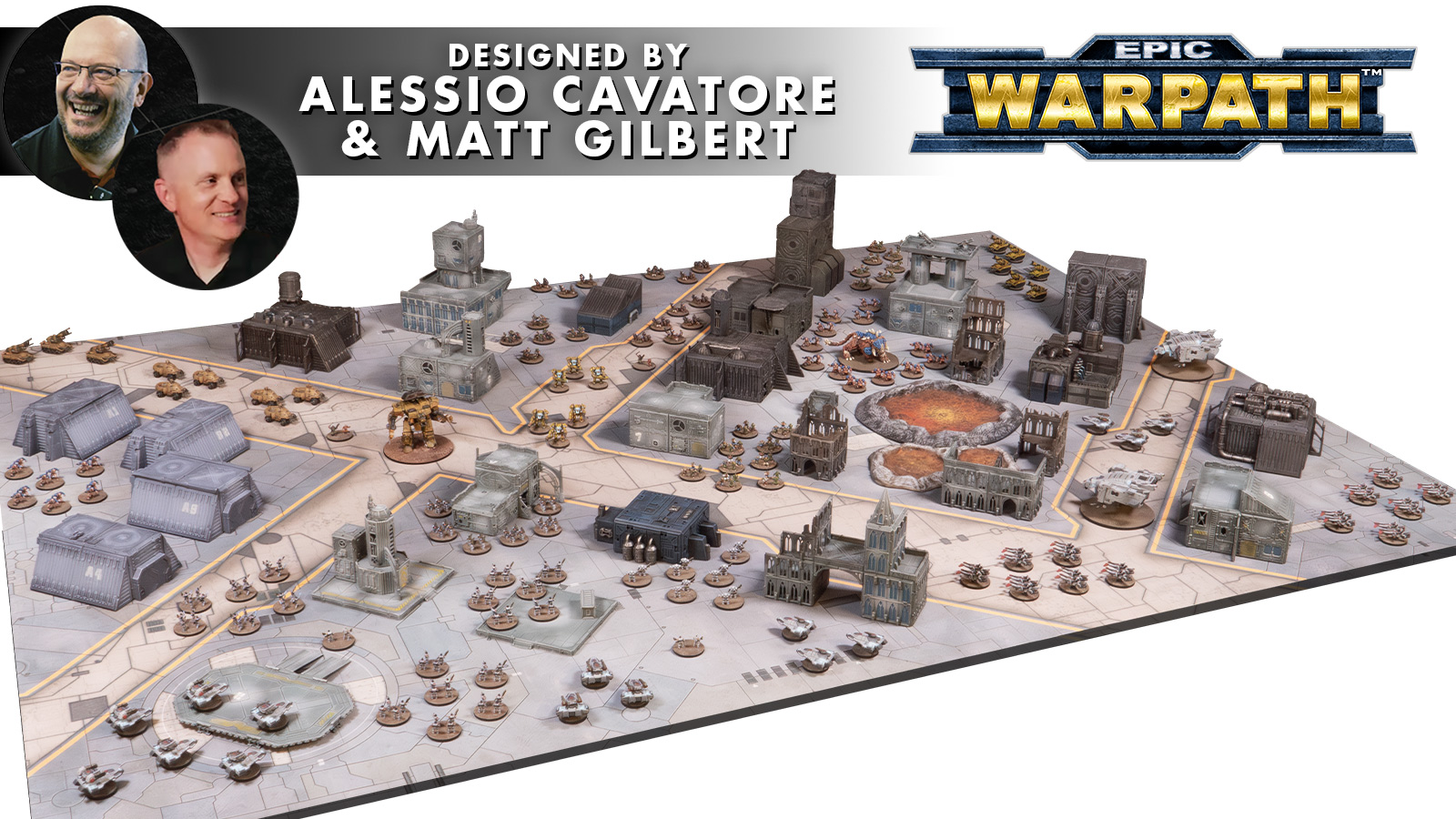
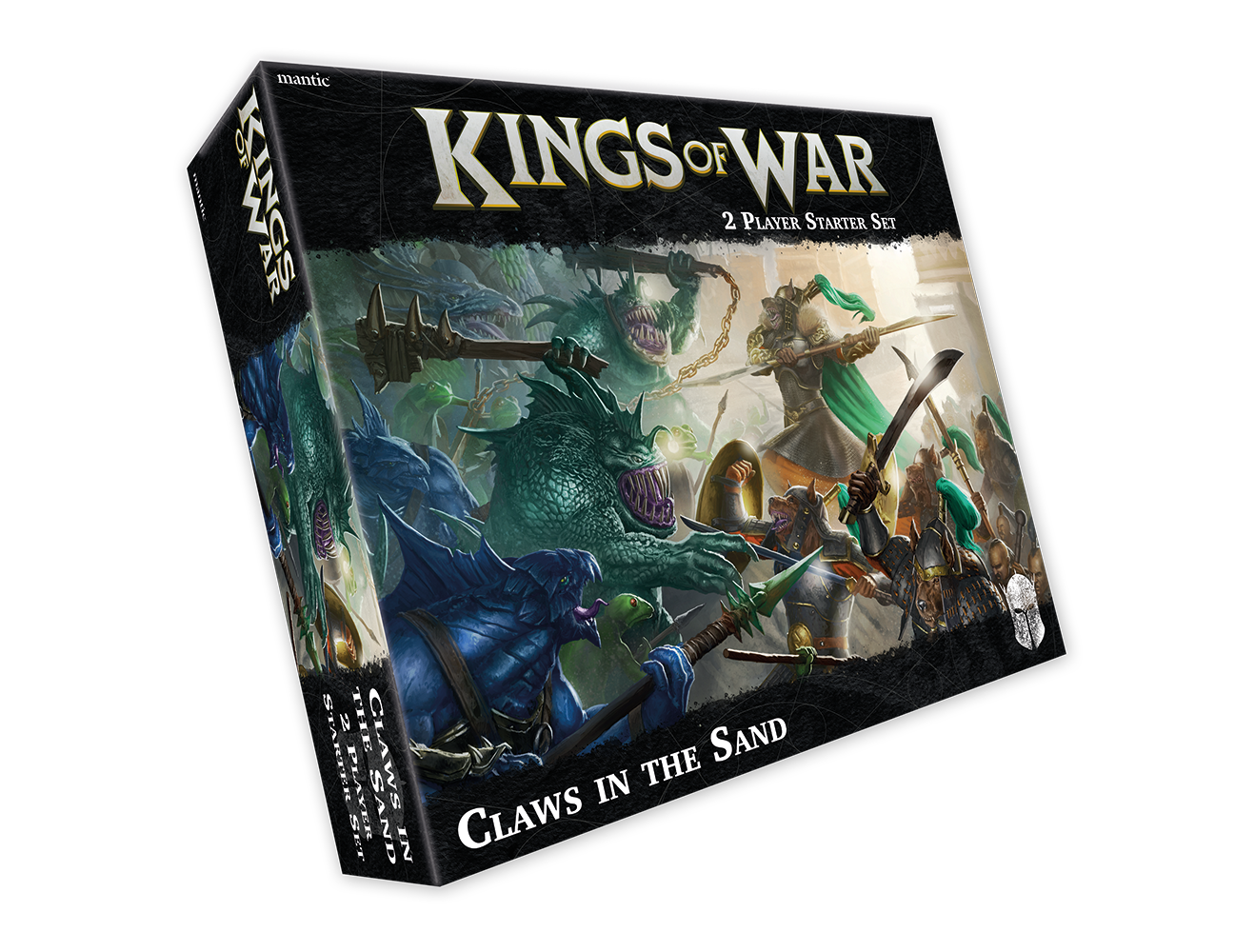
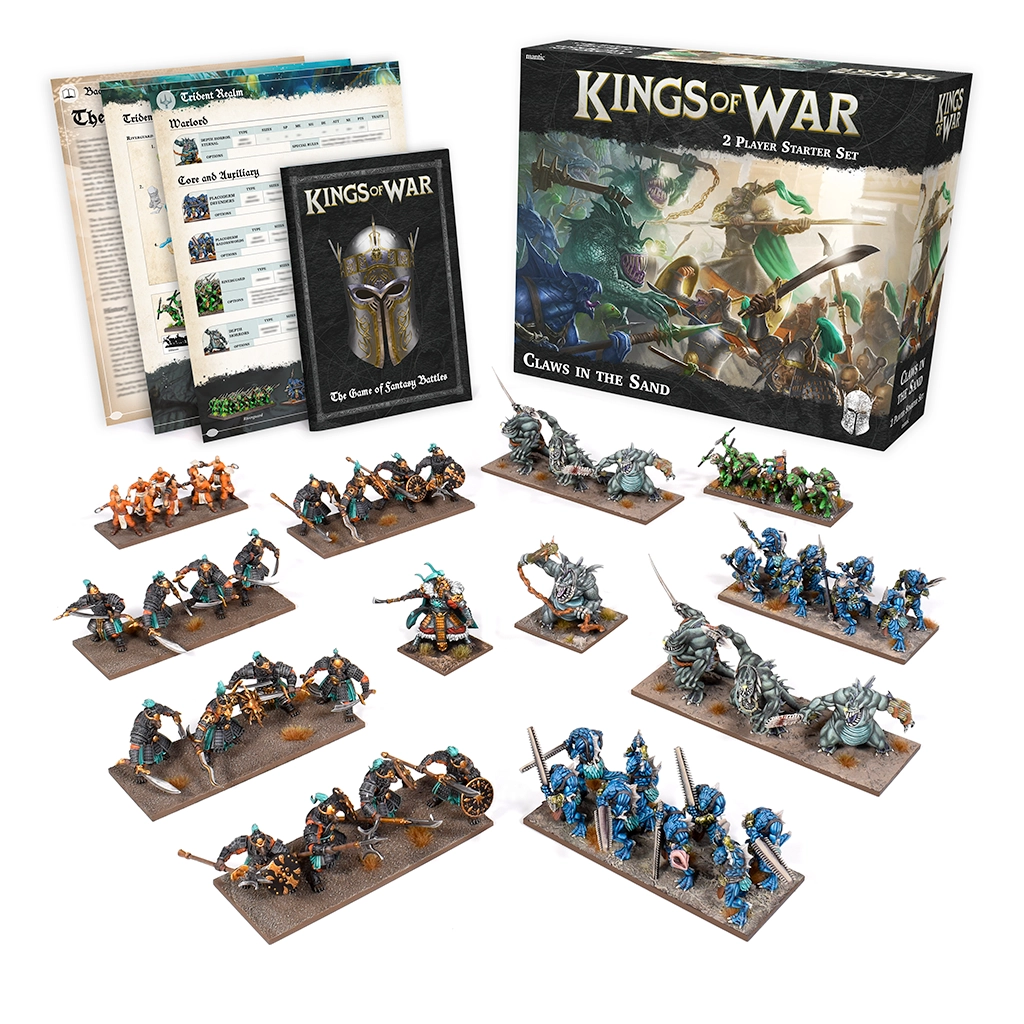
Mantic Games have nearly two decades of miniature and board gaming innovation under their belt; this month they have released two huge evolutions of their gaming catalogue; tiny sci-fi mass battle game Epic Warpath and the new edition of fantasy rank-and-flank game Kings of War.

We chatted to Matt Gilbert, who worked as the designer on both projects, and asked about how the idea for Epic Warpath came around.
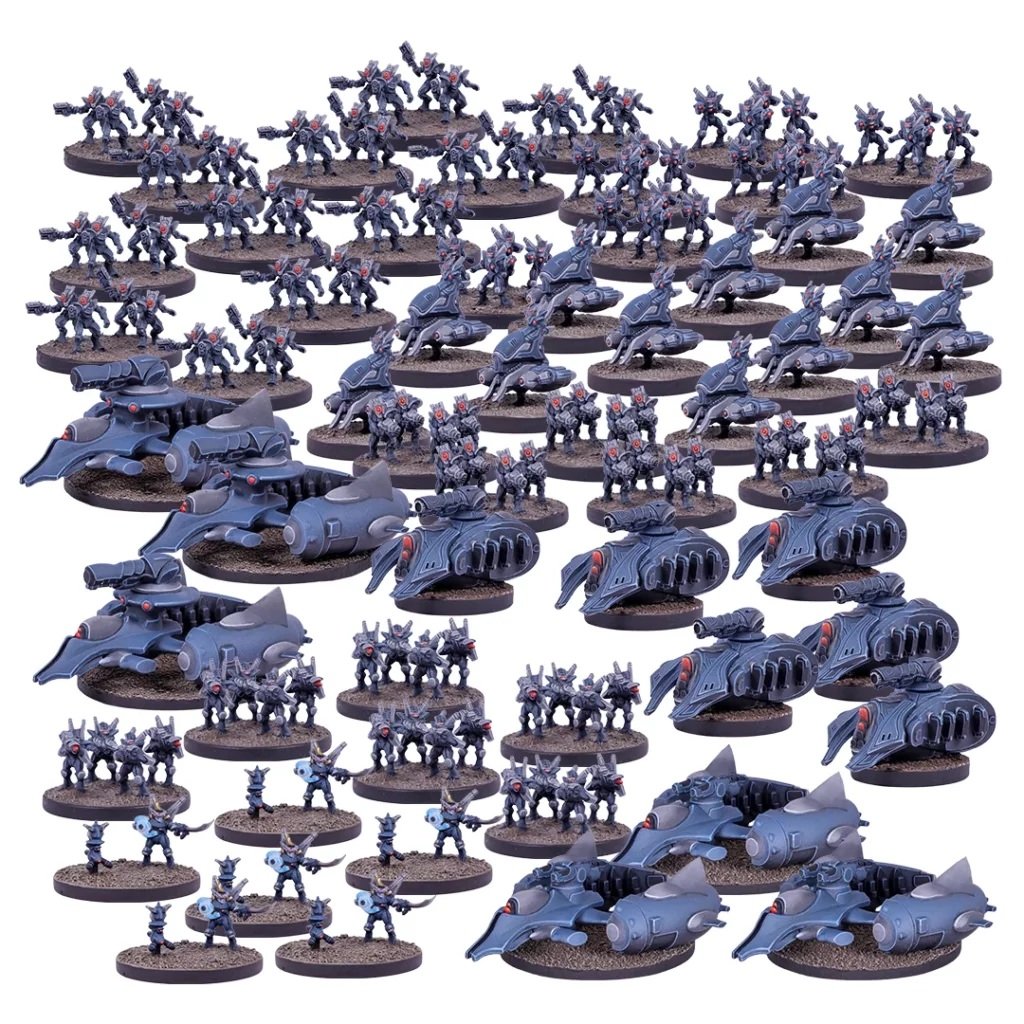
“Well, when Ronnie, Mantic’s founder, first had the idea for Warpath back in 2015. He wanted to make a game that was an occasion, something you could get all your mates together on a weekend, throw some tables together and just have at it”, explains Matt. The decision was made to design models at a 28-32mm scale; the common size for miniature war gaming, used in Warhammer 40,000, Bolt Action and many more.

After a very successful launch, they soon found that people loved playing Warpath with squads of troops, but not entire armies crammed onto a huge table. “We started to get the feedback that people liked playing it at a Firefight level, but they weren’t quite sure how to engage with it as a massed army game”.

Over the years, Mantic have experimented, using those same 28mm models for their razor sharp skirmish game Deadzone, and, in 2022, a new super-streamlined version of the Firefight rules. “So we came back to it”, says Matt, “We thought, how can we fill a table? We need to come down on size, so that it’s more models, without more complexity; the feel of a huge warzone!”.

They returned to the drawing board, and commissioned some new, small scale sculpts. Having experimented with lots of sizes —”We printed them, I think, at 8mm, 10, 12, 14, 15, every size!”—they landed on the ideal balance between detail and dimension. “Some of the paint jobs we’re seeing online? We are very, very happy with how the models have come out”.
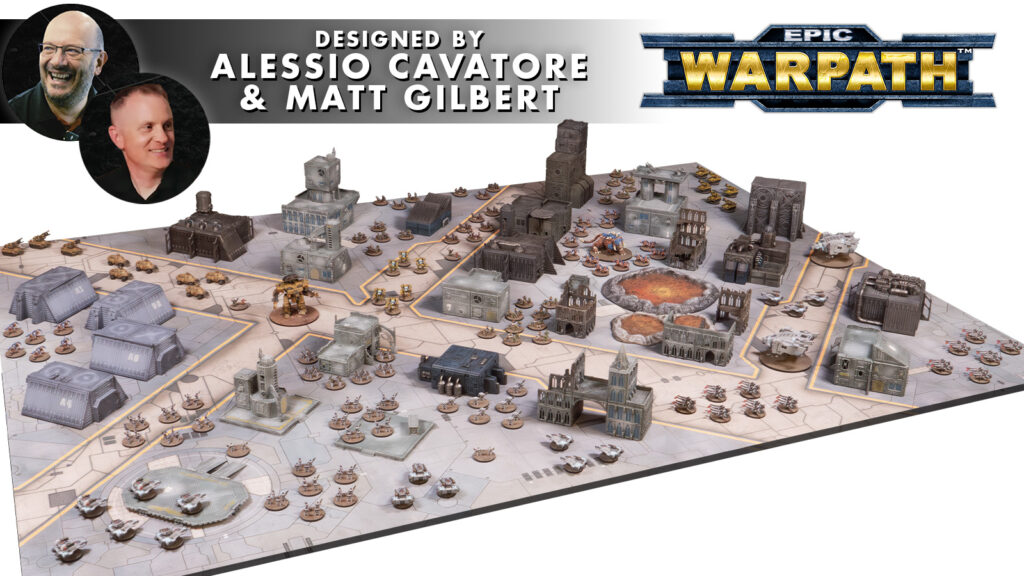
Models planned; they then set out to build rules that supported the experience. In this month’s review of Epic Warpath (see page ##), it reminds us of our memories of earlier epic scale miniature games; yet actually revisiting older systems often reveals lots of clunkiness that’s been forgotten about.


“Yes, I went back to my youth. What did I like to play? I loved Adeptus Titanicus back then, but what did I enjoy out of those games? What mechanics did I like? What would I change? What would I modernise? We wanted the feel of those games, but tightened up”.

With the help of fellow designer Alessio Cavatore, the ruleset was completed and refined, and plans began for a commercial release. Then, just as everything was looking ready to go, miniature gaming behemoth Games Workshop announced the upcoming Legions Imperialis; a return to the epic-scale genre they’d not touched for years!

It represented a potential costly clash that Mantic couldn’t afford to fight, so they went to their fanbase; “Will you buy this game if we make it?”. A £400,000 crowd-funding campaign answered that question quite clearly, as Matt recalls. “Yes, it was really exciting to see that support, even if actually getting it finished has been about ten times more effort than we expected! But we think it’s such a tremendous game; we see a long, long life for it.”

Although Mantic don’t plan to initiate a tournament scene, they have created a blueprint for others to use if they choose to; “We’re more than happy to support the community in fielding events, and there’s a test tournament happening at Mantic HQ so others can take our ideas and run with them”.

The Kickstarter funded an impressive eight different army factions, so they don’t plan any new armies currently—”Although if it really takes off? Well, never say never”, grins Matt—but they already have new models ready to release for the current factions. The Mantic Vault takes a very progressive approach to releasing STLs; a small subscription can open up a wealth of 3D prints of nearly all models that have been released.

Still, that’s not all that Mantic are up to. Matt notes, “There’s been so much arriving at the end of the year, not just Epic Warpath, but also our expansion for *Halo: Flashpoint—ODST Feet First Into Hell—*and the new 4th edition of Kings of War!”
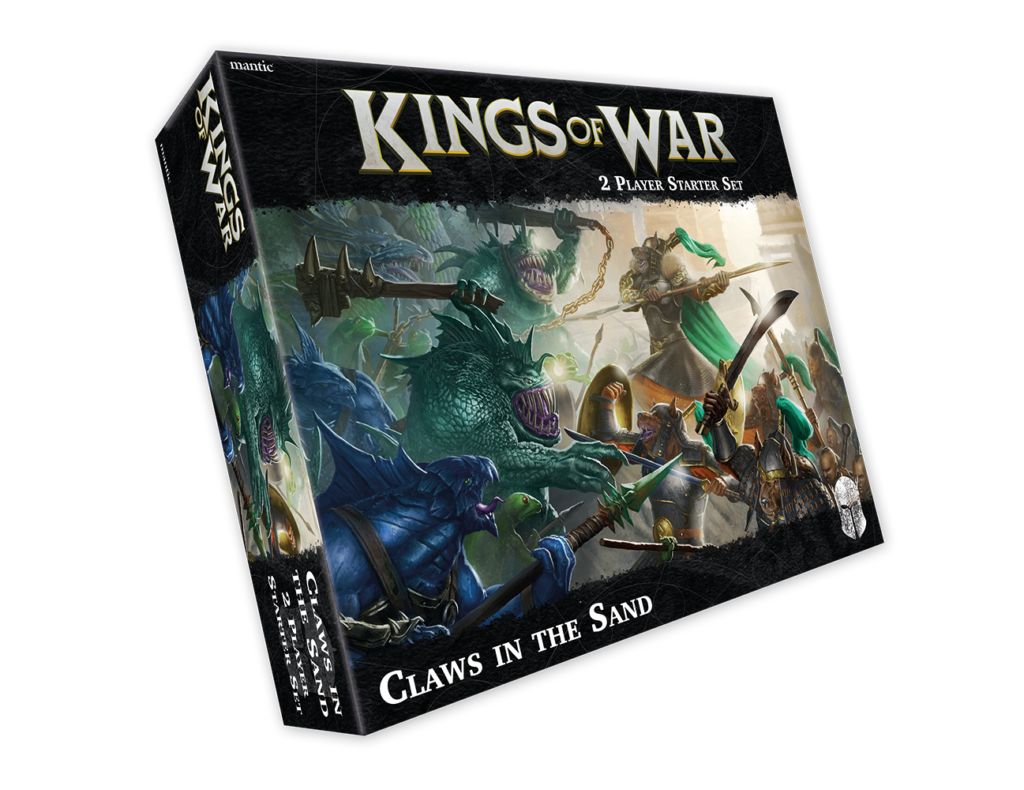
For those of you who haven’t encountered it, Kings of War is what’s known as a rank-and-flank fantasy miniature game. These feature armies of regimented, organised models, often on rectangular bases, with a focus on positioning and squads, rather than quite as much focus on the individuals involved.

In a strange mirror to the Epic 40,000-shaped hole in the modern gaming scene, for decades the most popular rank-and-flank game was Games Workshop’s Warhammer Fantasy Battle, which was abruptly discontinued in 2015.

This left a huge gap in the international competitive scene… just as Mantic released the 2nd Edition of Kings of War. “It was incredible for us. We just said ‘Oh you’ve got your models? Bring them over and play our game’…”. Much of the US Masters competitive scene voted to switch over to Kings of War that year, and suddenly KoW had more players than it had ever had before.

“I remember Ronnie called me up”, says Matt, “He said ‘I think we need to do a book to cover the armies that we don’t actually have currently in the game’, so I went away, adapted some fan lists, and put it together”. At first, much of this was a like-for-like transfer, but as the years have gone on, the lore has evolved, and many factions have a completely different flavour. “For example, the Twilight Kin were originally just generic Dark Elves, but now they are very much not. Others, like the Nightstalkers, I completely made up at the time—and now they are an army in their own right! Everything has slowly been morphed and manipulated to become more-and-more Mantic and less-and-less generic or Warhammer based.”
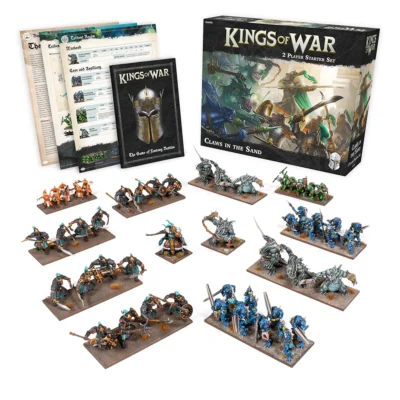
Several years have passed since then, and Third Edition has already had one major update back in 2022; the time had come for a new version. As Matt explains, “We’d reached the point where Kings of War needed a refresh. All games need a refresh at times. Especially popular competitive scenes; once people join, they discover a culture, learn terminology and everything like that. But then that starts to create, I guess, a sort of ‘shell’ which becomes harder and harder for new people to penetrate. We felt that we’d reached that point with 3.5th Edition *Kings of War—*that refresh that was needed, both to make things a bit more streamlined, but also to break a bubble and be more welcoming to new players”.

That ‘bubble’ might be off-putting for some, but Kings of War continues to be very popular as a competitive scene worldwide. “Yes, with social media, and Universal Battle”—an online tabletop simulator—”everyone is playing everyone else. You do see certain builds and armies rising to the top, but it doesn’t last very long because someone will realise what the counter to it is”. That ‘meta’ seems to be a little less aggressive than the renowned Warhammer 40,000 Hot Takes and Data Dashboards. Matt smiles, “Yes, ours seems to be very varied geographically. The typical American Kings of War player plays very different to a Spanish player, or an English player. So there’s this global conversation that seems to counter the intense net list-building other games tend to see”.

Still, there’s a huge challenge inherent in changing a game that thousands of people love, and have built armies and lists around. As Matt says, “Absolutely—it’s intimidating! You obviously you don’t want to upset or disrupt your existing players, so you need to bring them on the journey with you and make them understand why you’re making changes”. We’ll be taking a closer look at Kings of War 4th Edition in next issue of Tabletop Gaming, but as a sneak peak, many of the modifications are about clarity and ease-of-learning, rather than aiming to ‘correct’ popular builds. Matt explains, “The new edition has been designed for the good of the game long-term. The last thing we want is to totally stuff someone’s army up or ruin the investment of all their hobby time and money”.

One big structural revision to Kings of War 4th Edition is to present a core, basic version of the rules at the beginning of the rulebook, with the more advanced rules later on or incorporated into individual units. Matt gives an example, “With the height stat, we’ve standardised it across unit types, so it doesn’t need to be in the main stat block. It’s immediately one less thing to confront new players with, and we just include a single table in the rules that says ‘all infantry is height 2’”.

The approach they’ve taken isn’t to make everything vanilla, but to make the stand-out aspects of units really shine. “Alessio is very good at removing unhelpful concepts—he never lets the exceptions to rules pollute the rule itself. So those extra ideas come later, but you only need to know about them if they are relevant to what you have on the table on the table in front of you”.
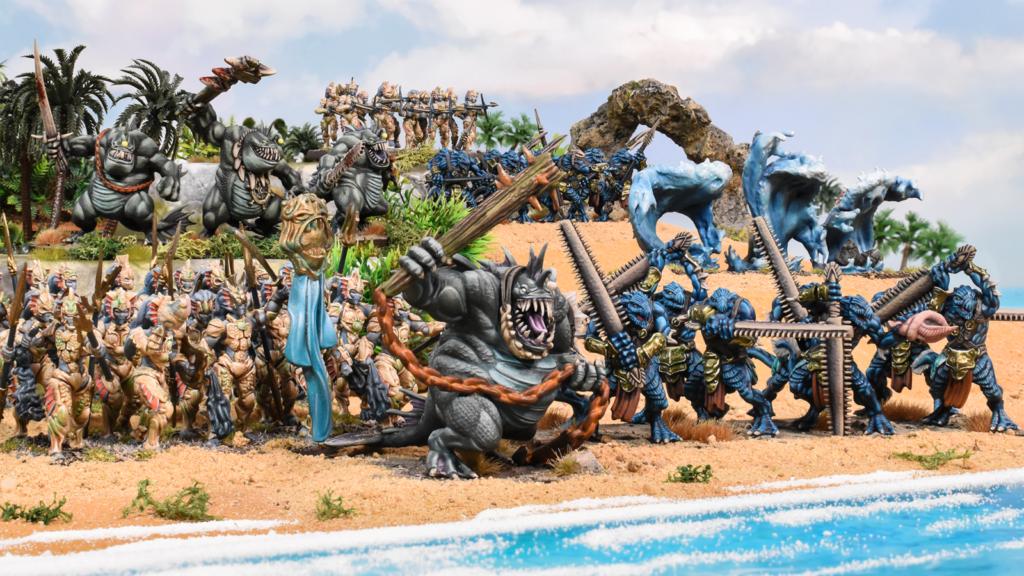
Alongside new rules, one of the most exciting additions to Kings of War are the Xirkaali Empire—a new race of dog-like sentients. Matt explains their origin, “So they’ve actually been seeded in the lore of the game for a while, with several story threads building up with them on the run to 4th edition. Originally, I envisioned them more as a kobold-like race, but then Ronnie pointed out that there are already many other races like that in other games. We asked ‘What hasn’t been done?’… and realised that it’s actually very rare to see canines as a race in fantasy.”

The new models are bold and certainly stand out—although as a huge dog lover, I’m easily won over. I ask Matt more about their lore, “They have a Mongol-horde vibe; the dynasty of Genghis Khan moving out through Asia and into Europe”. For those wanting to know more, Mantic has novels written in the setting, with *Stand at Callenspire—*featuring the Xirkaali invasion—coming out in December. “We’ve got a huge story arc rolling out in 2026, with new books, expansions and army support for everything”.
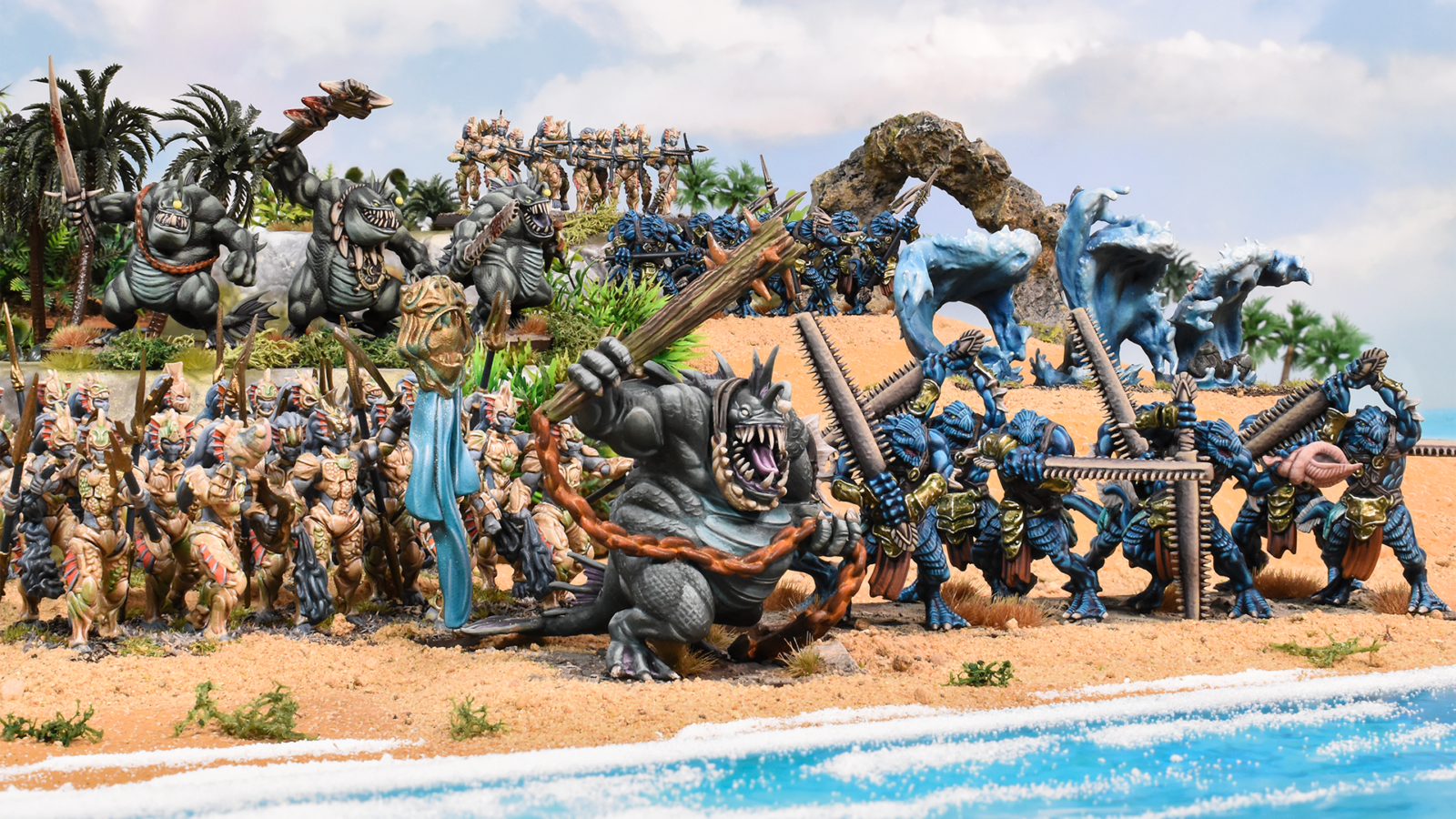
So, if you’ve decided that this winter is the time to cover your dining table with beautiful armies and streamlined rulesets, it sounds like Mantic certainly have you covered! Epic Warpath and Kings of War 4th Edition are OUT NOW at a FLGS near you; or available directly from mantic.co.uk