There’s no doubt about it – Crowdfunding can be an exhilarating world to enter. There’s something visceral about the feeling of making a game happen; taking it from an imaginative idea to an actual item you can hold in your hand. The best projects take you on a journey, asking for card suggestions, art feedback, and social stretch goals that you can help them reach by sharing the news. I think, for many of us, its the closest we ever get to being a game designer and bringing our own cool creation to life.
Unfortunately, the flip side of the fantasy can be failure. Projects that raise hundreds of thousands of pounds, and then disappear. It’s actually very rare that a creator runs off into the sunset, never to be seen again. Much more often an a undelivered game leaves an obtuse trail of missed deadlines, half-believable excuses and conflicting promises laying in its wake. Here we look at some train-wrecks, and some tips to avoid disaster.
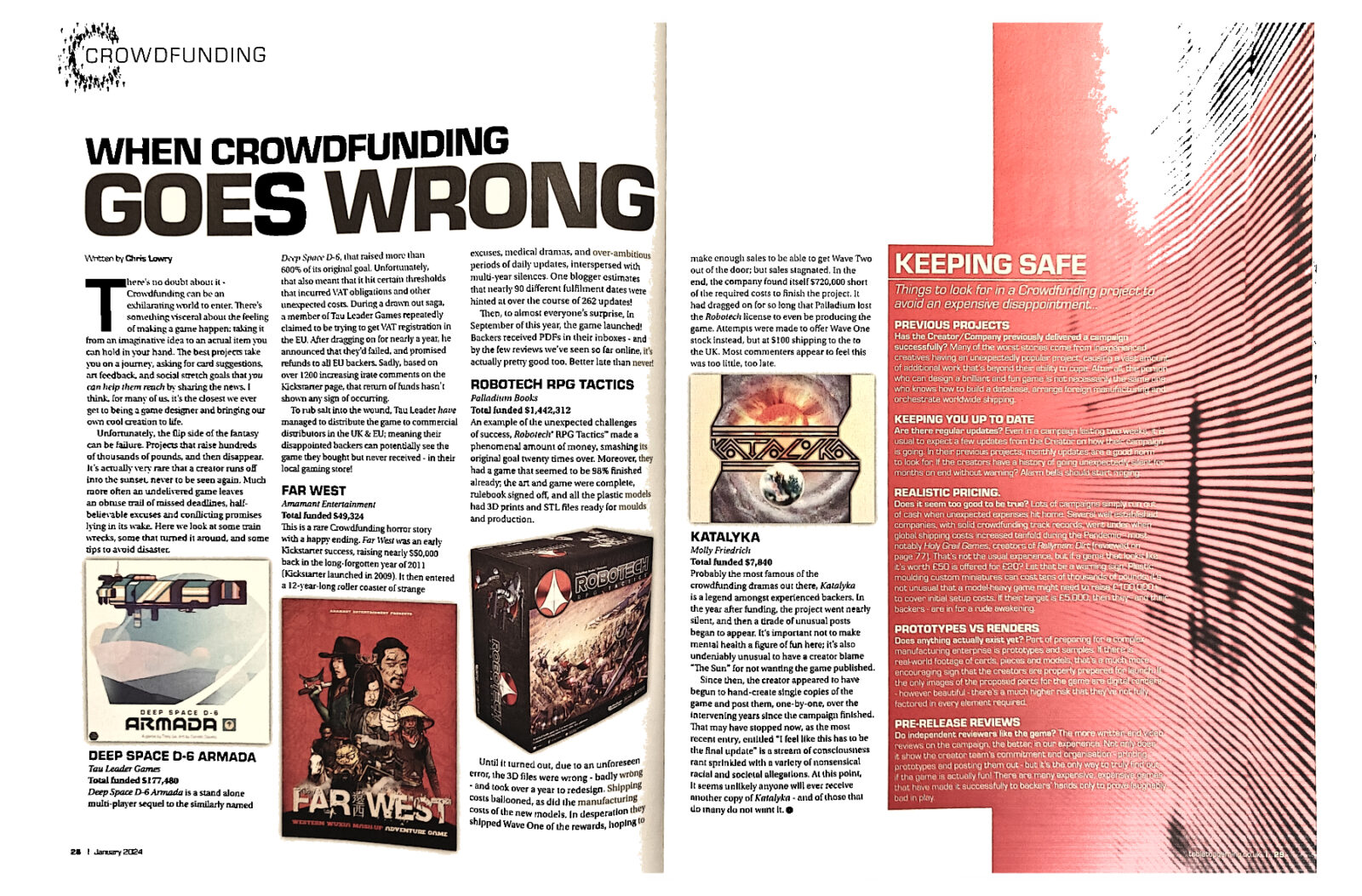
Deep Space D-6 Armada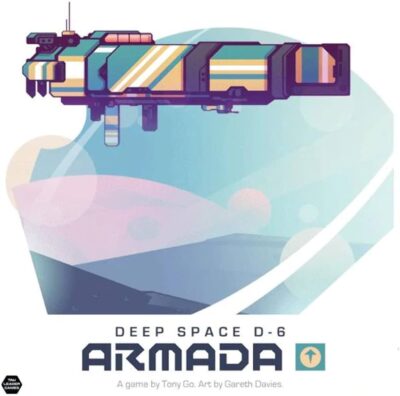
Tau Leader Games
Total funded $177,480
Deep Space D-6 Armada is a stand alone multi-player sequel to the similarly named Deep Space D-6. It raised more than 600% of its original goal – a tearaway success. Unfortunately, that also meant that it hit certain thresholds that incurred VAT obligations and other unexpected costs. During a drawn out – and unresolved saga – Tony from Tau Leader repeatedly claimed to be trying to get VAT registration in the EU. After dragging on for nearly a year, he announced that they’d failed, and promised refunds to all EU backers. Sadly, based on over 1200 increasing irate comments on the Kickstarter page, that return of funds hasn’t shown any sign of occurring.
To rub salt into the wound, Tau Leader have managed to distribute the game to commercial distributors in the UK & EU; meaning their disappointed backers can potentially see the game they bought but never received – in their local gaming store!
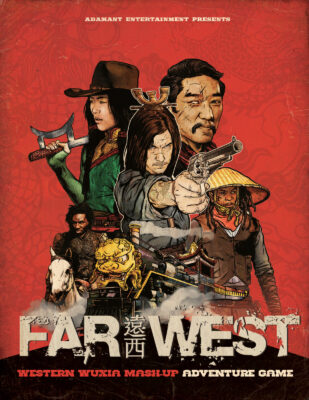 Far West
Adamant Entertainment
Total funded $49,324
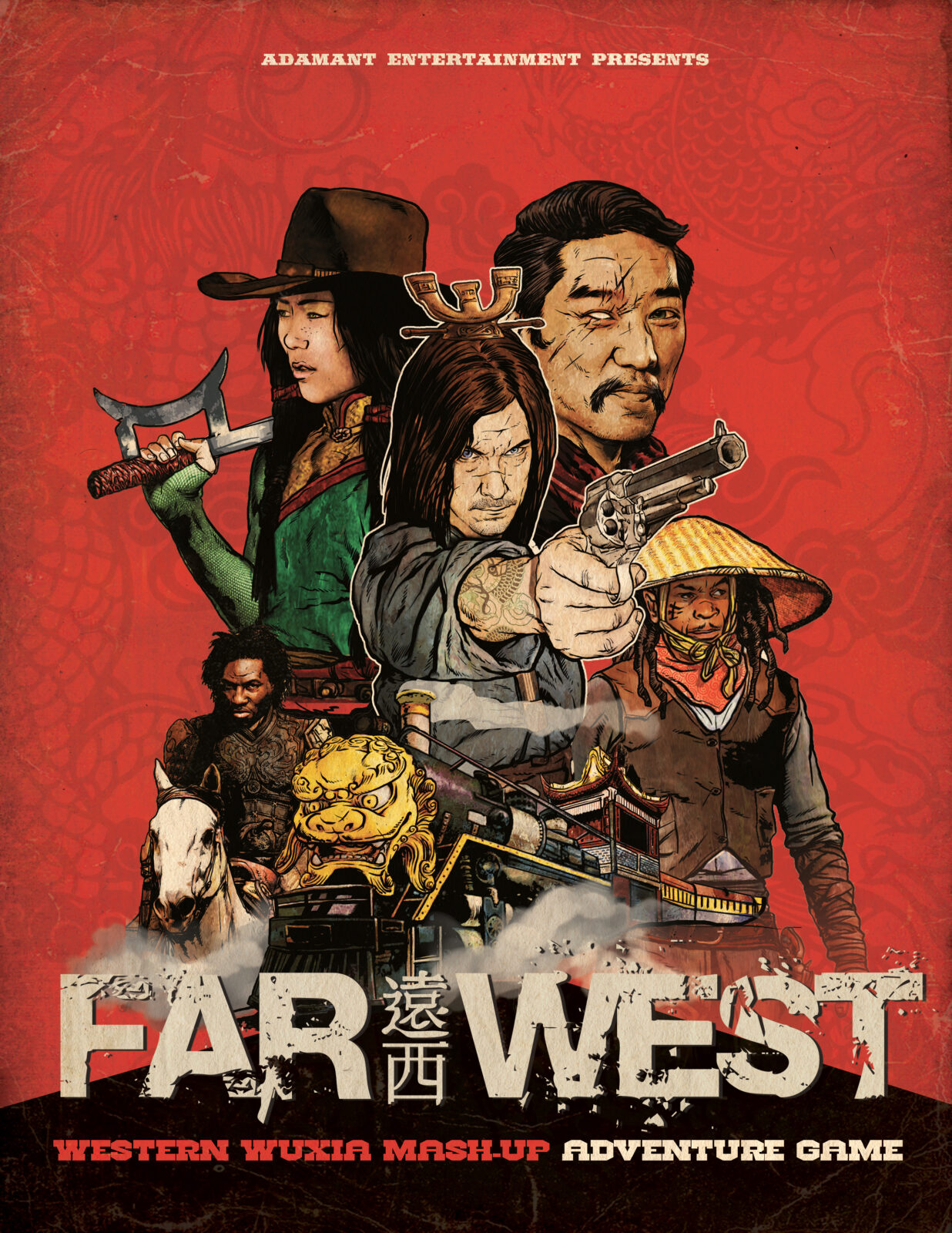
This is a rare Crowdfunding horror story with a happy ending. Far West was an early Kickstarter success, raising nearly $50,000 back in the long-forgotten year of 2011 (Kickstarter launched in 2009). It then entered a 12-year-long roller coaster of strange excuses, medical dramas, and over-ambitious periods of daily updates, interspersed with multi-year silences. One blogger estimates that nearly 90 different fulfilment dates were hinted at over the course of 262 updates!
Then, to almost everyone’s surprise, in September of this year, the game launched! Backers received PDFs in their inboxes – and by the few reviews we’ve seen so far online, it’s actually pretty good too; although we hold back any opinion until we get our hands on a copy. Better late than never though!
Robotech® RPG Tactics™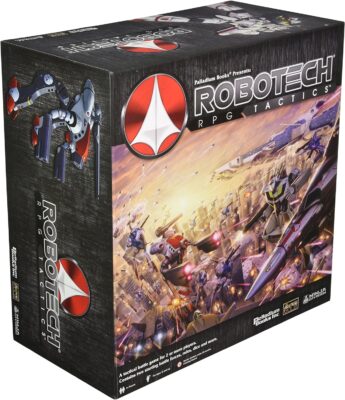
Palladium Books
Total funded $1,442,312
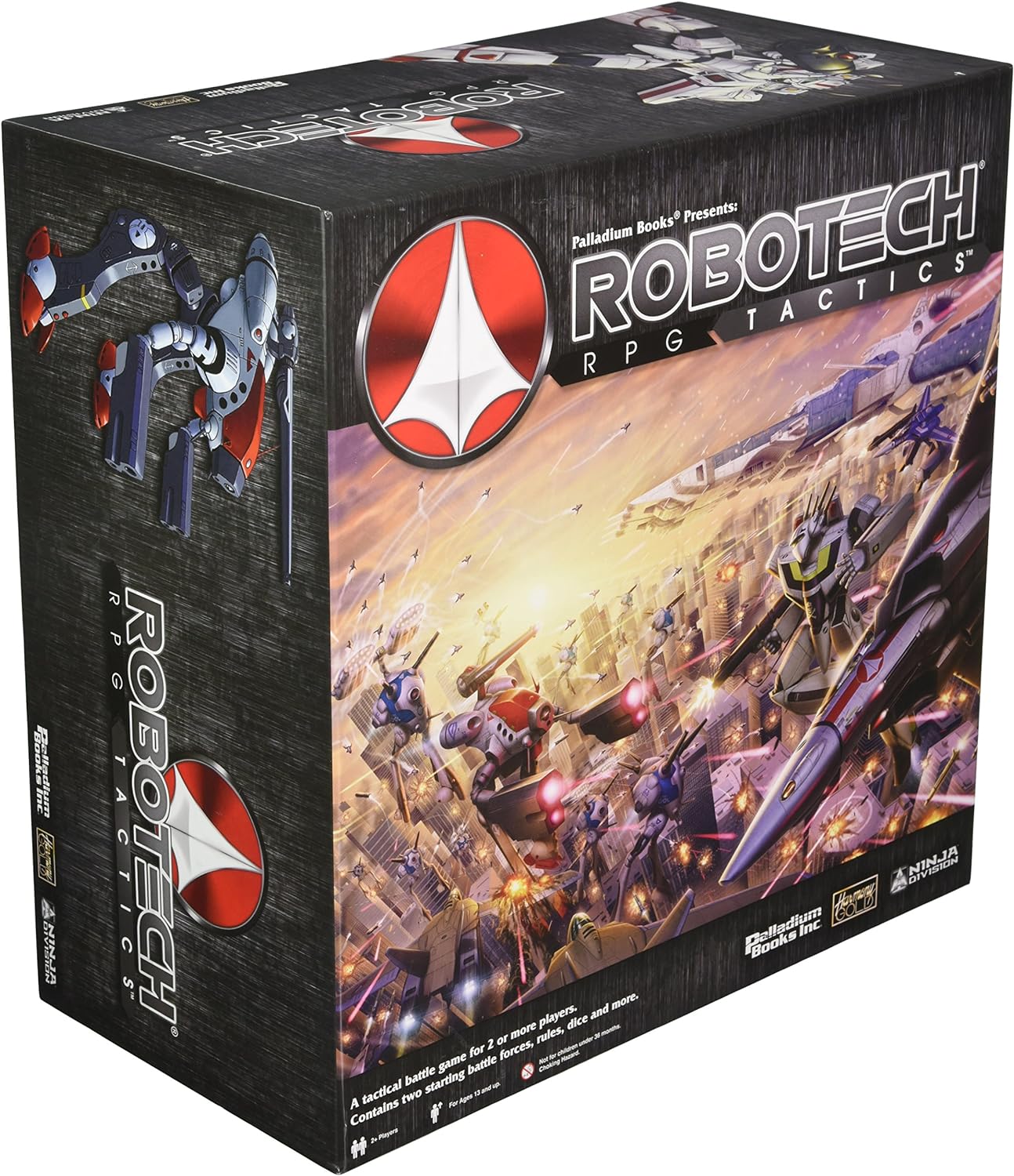
An example of the unexpected challenges of success, Robotech® RPG Tactics™ ****made a phenomenal amount of money, smashing its original goal twenty times over. Moreover, they had a game that seemed to be 98% finished already; the art and game were complete, rulebook signed off, and all the plastic models had 3D prints and STL files ready for moulds and production.
Until it turned out, due to an unforeseen error, the 3D files were wrong – badly wrong – and took over a year to redesign. Shipping costs ballooned, and the newly complicated models cost three times more to manufacture than expected. In desperation they shipped Wave One of the rewards, hoping to make enough sales to be able to get Wave Two out of the door; but sales stagnated. In the end the company found themselves $720,000 short of the required costs to finish the project. It had dragged on for so long that Palladium lost the Robotech license to even be producing the game! They did offer a reward exchange for people to get extra Wave One stock instead of the missing products, but even that came with a hefty shipping charge – $100 to the UK! Most commenters appear to feel this was too little, too late.
 Katalyka
Molly Friedrich
Total funded $7,840
Probably the most famous of the crowdfunding meltdowns out there, Katalyka is a legend amongst experienced backers. In the year after funding, the project went nearly silent, and then a tirade of unusual and somewhat delusional posts began to appear. It’s important not to make mental health a figure of fun here; its also undeniably unusual to have a creator blame “The Sun” for not wanting the game published.
Even more erratically, the creator appears to have begun to hand create single copies of the game and post them, one-by-one, over the intervening years since the campaign finished. That may have stopped now, as the most recent entry, entitled “I feel like this has to be the final update” is a stream of consciousness rant blaming her backers, multiple named families, “DEATH PRESSURE”, and many others, all sprinkled with a variety of nonsensical racial and societal allegations. At this point, it seems unlikely anyone will ever receive another copy of Katalyka – and those that do many not want it!
Keeping Safe
Things to look for in a Crowd-funding project to avoid an expensive disappointment…
Previous projects
Has the Creator/Company previously delivered a campaign successfully? Many of the worst stories come from inexperienced creatives having an unexpectedly popular project; a magnitude more success than they’d expected, causing a vast amount of additional work that’s beyond their ability to cope. After all, the person who can design a brilliant and fun game is not necessary the same one that knows how to build a database, arrange foreign manufacturing and orchestrate worldwide shipping.
Keeping you up to date
Are there regular updates? Even in a campaign lasting two weeks, it is usual to expect a few updates from the Creator on how their campaign is going. In their previous projects, monthly updates are a good norm to look for. If the creators have a history of going unexpectedly silent for months-on-end without warning? Alarm bells should start ringing.
Realistic Pricing.
Does it seem too good to be true? Lots of campaigns simply run out of cash when unexpected expenses hit home. Several well established companies, with solid crowdfunding track records, went under when global shipping costs increased tenfold during the Pandemic – most notably Holy Grail Games, creators of Rallyman: Dirt (reviewed on page #). That’s not the usual experience, but if a game that looks like it’s worth £50 is offered for £20? Let that be a warning sign. Plastic moulding custom miniatures can cost tens of thousands of pounds; it’s not unusual that a model-heavy game might need to raise £100,000+ to cover initial setup costs. If their target is £5,000, then they – and their backers – are in for a rude awakening.
Prototypes vs Renders
Does anything actually exist yet? Part of preparing for a complex manufacturing enterprise is prototypes and samples. If there is real-world footage of cards, pieces and models, that’s a much more encouraging sign that the creators are properly prepared for launch. If the only images of the proposed parts for the game are digital renders – however beautiful – there’s a much higher risk that they’ve not fully factored in every element required.
Pre-release reviews
Does independent reviewers like the game? The more written and video reviews on the campaign, the better, in our experience. Not only does it show the creator team’s commitment and organisation – printing prototypes and posting them out – but it’s the only way to truly find out if the game is actually fun! There are many expensive, expansive games that have made it successfully to backers hands only to prove laughably bad in play.